Puppies should ideally start puppy school between 8 and 15 weeks of age as soon as they have received their first vaccinations. This timeframe represents the critical socialization period when young dogs are most adaptable and capable of learning vital social skills. Understanding what age should my puppy start puppy school Australia helps owners set their pets up for long term success through early education and confidence building.
Bringing a new puppy home to your Australian household is a milestone filled with joy, but it often brings a wave of conflicting advice regarding when to begin formal training. Many owners feel paralyzed by the tension between early socialisation and the completion of vaccination schedules, fearing that waiting too long will lead to behavioral issues. This timing is critical because the socialisation window typically closes by 16 weeks; missing this period can impact your dog's temperament for years to come. In this comprehensive guide, we clarify exactly when your puppy should start school and how to navigate health requirements safely. We will break down the essential 10 10 10 and 7 7 7 training frameworks, explain why older puppies are never too late to learn, and demonstrate how online classes provide a secure, immediate alternative to traditional group settings.
The Ideal Age: When to Start Puppy School in Australia
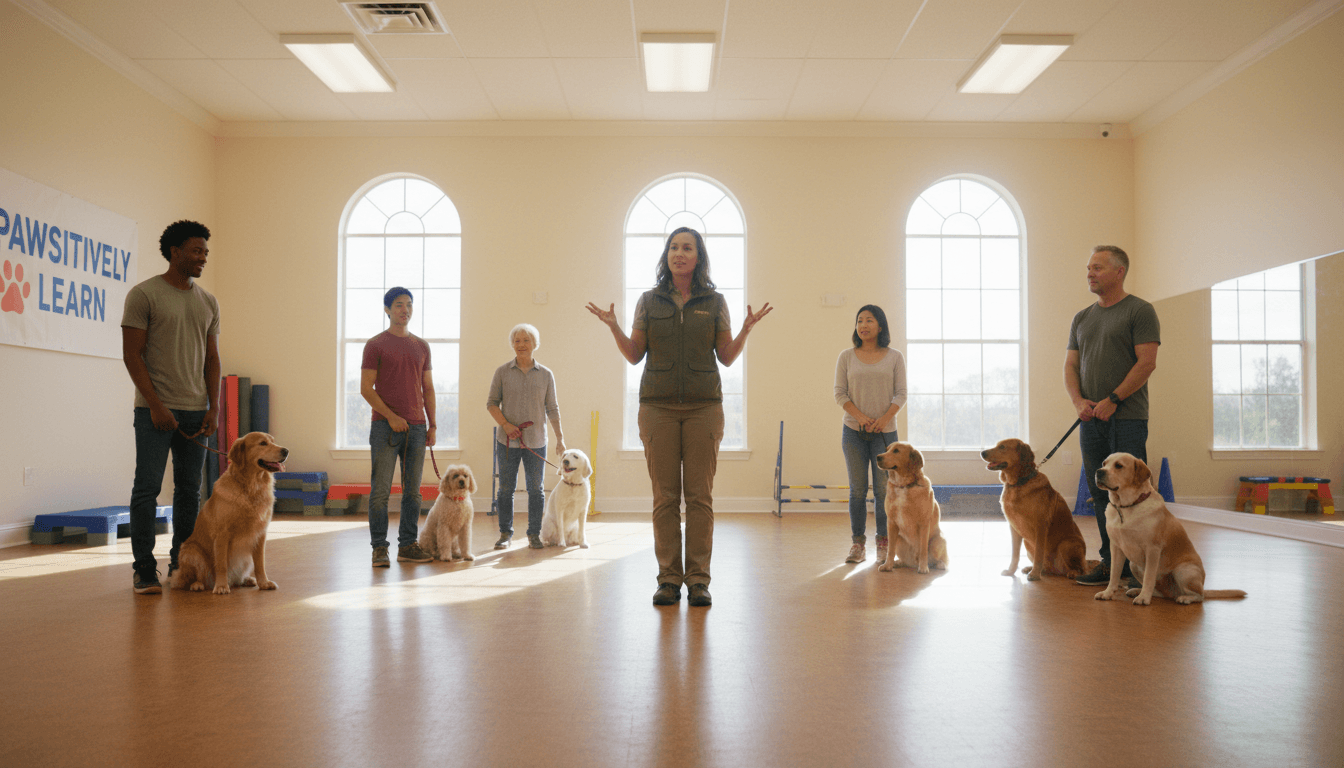
Most new owners ask what age should my puppy start puppy school Australia, expecting a date several weeks into the future. In reality, the most effective time to begin is the very day your puppy arrives home, typically at eight weeks of age. While many physical programs held at local vet clinics or retail stores require puppies to be between 8 and 16 weeks old to attend, you should not wait for a scheduled class to begin teaching essential habits.
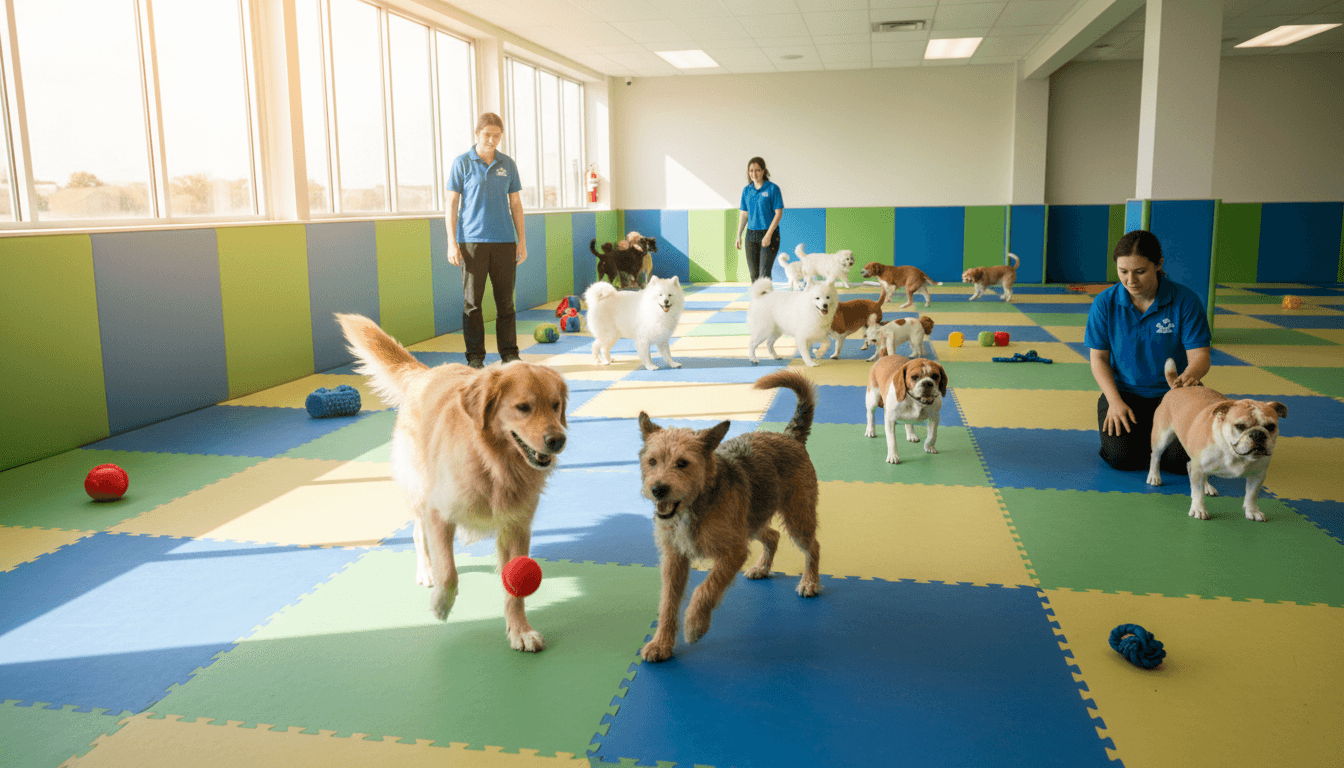
It is helpful to distinguish between two distinct concepts often grouped together. Puppy Preschool is traditionally focused on socialisation, providing a controlled environment for puppies to interact with peers. In contrast, Puppy Training is behaviour-focused, covering core skills like toilet training, crate use, and basic commands. Both are important, but behaviour training must start immediately to set clear boundaries within the home.
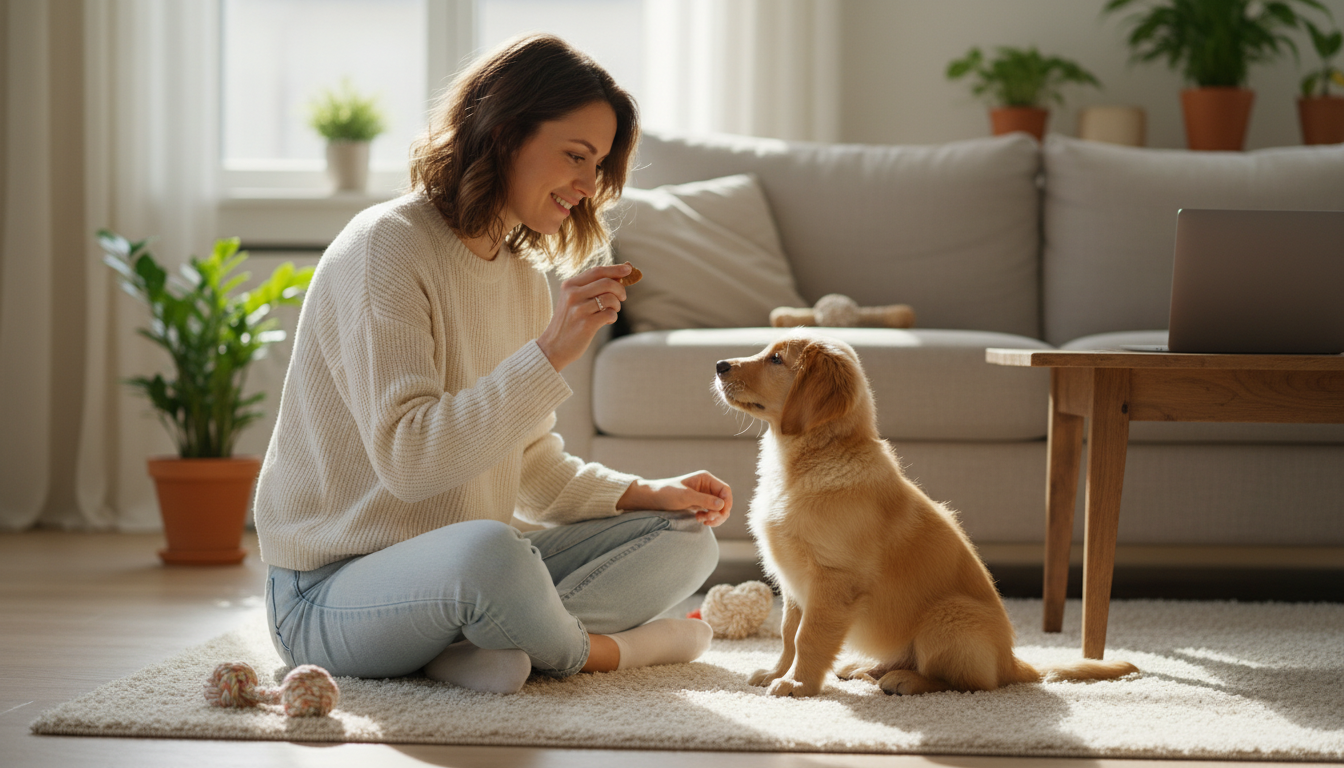
Using an Online Puppy School allows you to bypass the logistical hurdles and restrictions often found in local community halls or vet clinics. You can start professional training the moment you walk through the front door, ensuring your puppy learns the rules of your household before bad habits take root. This flexibility is vital, as physical classes often have waitlists that can cause you to miss the most formative weeks of development.
The Critical Socialisation Window: 8 to 16 Weeks

The window between 8 and 16 weeks is scientifically recognised as the sensitive period for socialisation. During this short phase, a puppy's brain possesses peak neurological plasticity, meaning they are biologically wired to accept new sights, sounds, and experiences without the suspicion or fear that develops naturally as they mature. This is a vital evolutionary phase where animals learn what is a normal part of their environment and what should be perceived as a threat.
Failing to utilise this developmental milestone can lead to significant long term challenges. When a puppy is not exposed to diverse stimuli before the window closes, their natural survival instinct takes over. This often manifests as fear based behaviours, general anxiety, or reactivity toward unfamiliar objects and sounds in adulthood. It is far more effective to build confidence now than to attempt to undo fearful associations once the dog is older.
In an Australian context, socialisation involves preparing your puppy for specific local environments. A well rounded socialisation plan includes exposure to the following:
Category | Australian Environmental Stimuli |
|---|---|
Auditory | Noisy native birds (cockatoos, kookaburras), backyard lawnmowers, heavy rain on tin roofs. |
Visual | Cyclists on suburban bike paths, people wearing wide-brimmed hats or high-vis workwear. |
Tactile | Coastal sand, dry bush tracks, prickles, and different flooring types like decking or tiles. |
Social | Calmly observing busy suburban streets and local parks from a safe distance. |
Because these experiences are so time sensitive, the Online Puppy School curriculum is designed to help you maximise every day of this window. By starting training in your own home and immediate neighbourhood, you can systematically introduce these stimuli in a controlled, positive way. This ensures that by the time your puppy is ready for public spaces, they have already developed the resilience needed to navigate the wider world with confidence.
The Vaccination Dilemma: Can You Start Puppy School Before Shots?
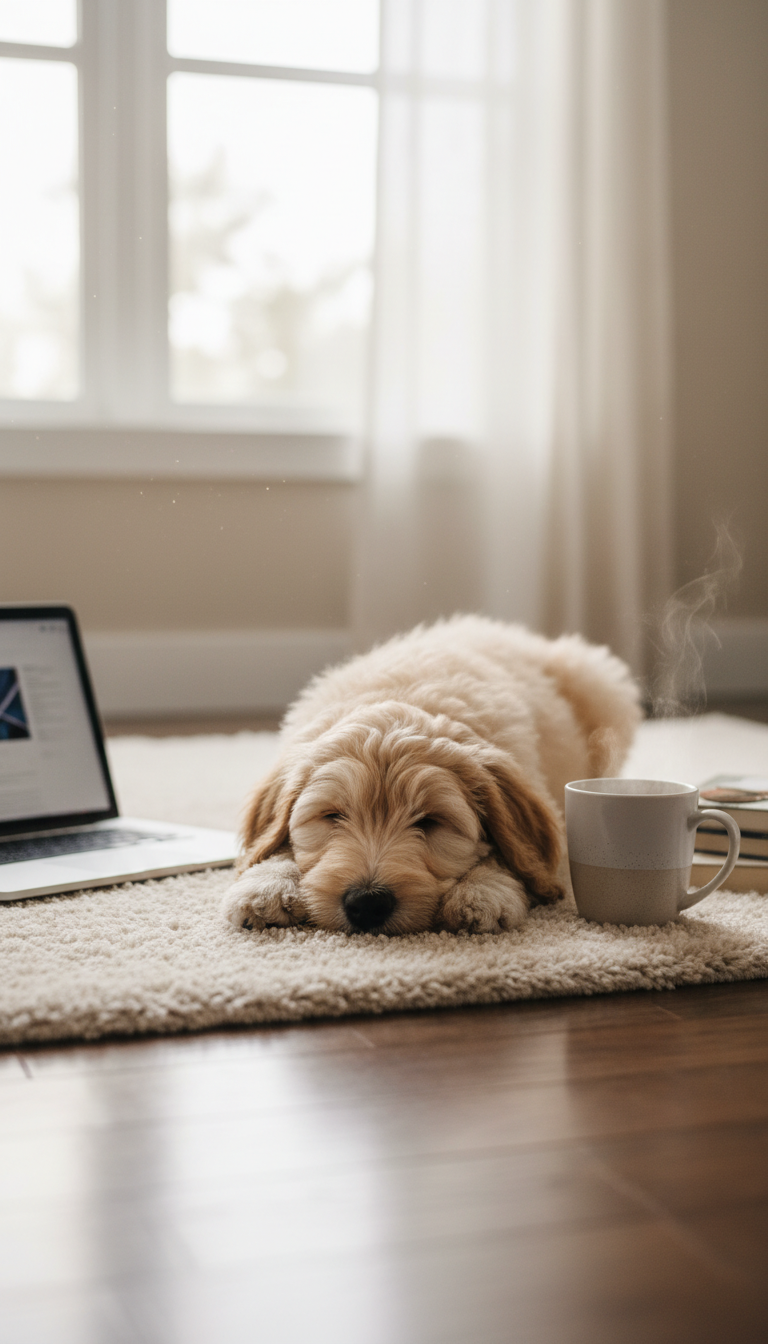
A frequent concern for new owners is whether they can start training before their puppy is fully vaccinated. Most Australian veterinarians recommend waiting until 10 to 14 days after the second or third round of shots, usually around 12 to 16 weeks of age, before allowing a puppy to access public parks or shared group settings. This cautious approach is designed to prevent exposure to high risk diseases like Parvovirus or Canine Cough. However, this creates a significant conflict with the developmental timeline; waiting for full immunity often means missing the majority of the critical 8 to 16 week learning window.
The Online Puppy School directly resolves this vaccination dilemma. By training in the controlled environment of your own home, you eliminate the risk of infectious diseases found in public spaces or high traffic vet clinic waiting rooms. This allows you to answer the question of what age should my puppy start puppy school Australia with a definitive "today" rather than "next month."
Professional guidance can begin at the eight week mark, ensuring you capture every day of the peak socialisation period. You can build foundational skills and introduce controlled stimuli safely in your living room or backyard, maintaining a strict hygiene protocol while ensuring your puppy does not fall behind in their behavioural education. This proactive approach ensures that by the time your puppy is medically cleared for the local park, they already possess the focus and basic commands needed to stay safe.
Understanding Puppy Training Rules: 10 10 10 and 7 7 7
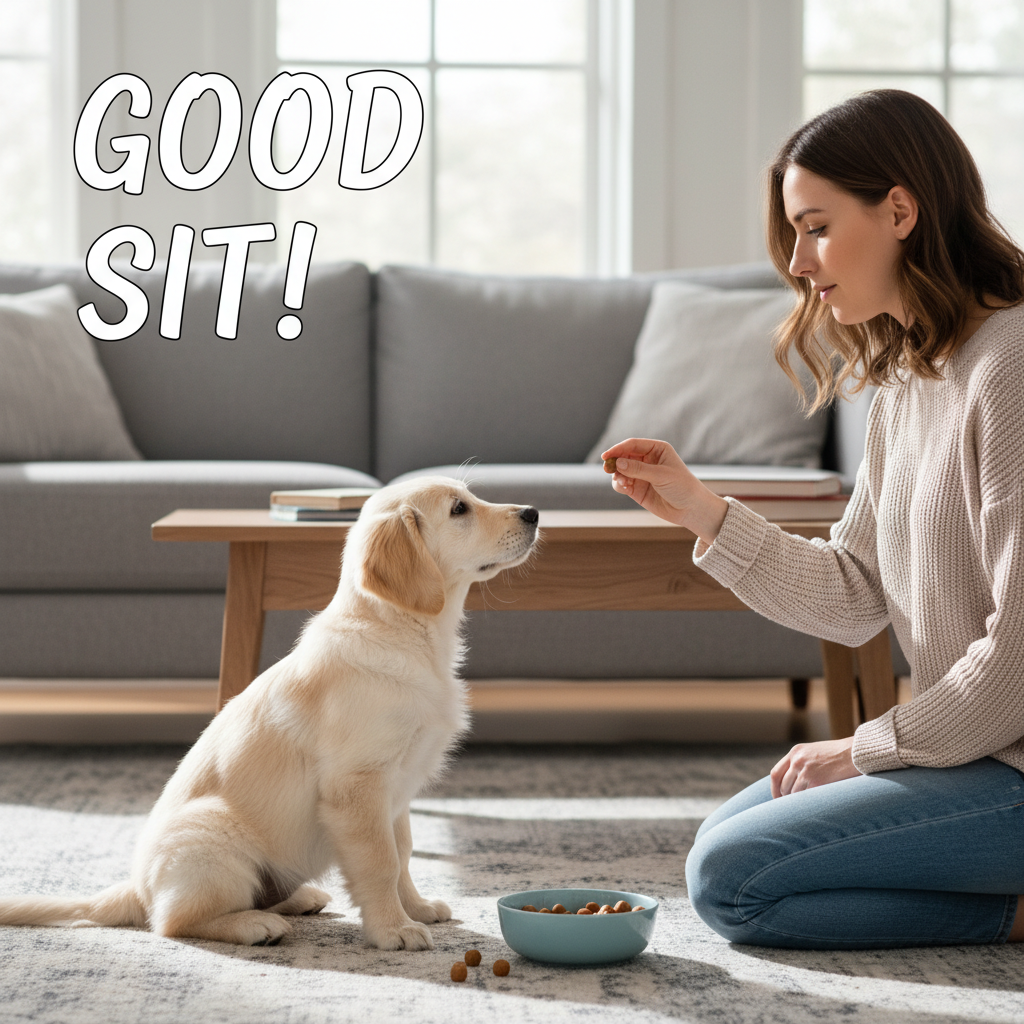
By moving training into your home, you can implement structured frameworks that respect a puppy's developmental limits and high energy levels. Two of the most effective methods for new owners are the 10-10-10 rule and the 7-7-7 rule. These provide a clear blueprint for those first few weeks when you cannot yet visit public spaces.
The 10-10-10 rule is designed to manage a puppy's short attention span and prevent the overstimulation that leads to biting or 'zoomies.' It breaks time into three segments: 10 minutes of focused training, 10 minutes of play, and 10 minutes of rest. During the training block, you might work on basic cues like 'sit' or 'look.' The play block involves bonding through games like fetch or gentle tug, while the rest block requires the puppy to settle in a crate or on a mat. This cycle teaches the puppy that every session of activity is followed by a period of calm, which is essential for developing a well-adjusted adult dog.
The 7-7-7 rule focuses on variety and socialisation. The goal is to expose your puppy to seven different types of stimuli across various categories shortly after they arrive home. While many people ask what age should my puppy start puppy school Australia, the answer is reflected in this rule; the work starts at eight weeks, long before they enter a physical classroom. You can easily facilitate this using common items found around an Australian home.
Category | Actionable Aussie Examples |
|---|---|
7 Surfaces | Wet grass, laundry tiles, timber decking, concrete driveways, gravel, carpet, and a plastic tarp or yoga mat. |
7 Objects | A vacuum cleaner (switched off), a rustling bin bag, a high-vis work shirt, a bicycle, an open umbrella, a cardboard box, and a tennis ball. |
7 Sounds | Recorded thunder, the sound of a lawnmower from the neighbour's yard, birds chirping, a hair dryer, a doorbell, clinking keys, and a whistling kettle. |
Following these rules within the Online Puppy School curriculum ensures your puppy remains engaged without becoming overwhelmed. By systematically introducing these elements in a controlled environment, you build a foundation of confidence that will make future outdoor adventures much more successful.
Is My Puppy Too Old for School? Training Older Puppies
When those adventures do not go as planned or if you have adopted a dog past the early developmental stage, you may wonder if you have missed your chance. While the 8 to 16 week window is the gold standard for neurological development, it is never too late to begin formal education. Many owners find they need an older puppy school most during the adolescent phase, which typically spans from 4 to 14 months. During this time, puppies often undergo a period of regression where previously mastered commands like 'sit' or 'stay' are suddenly ignored in favour of following a scent or greeting another dog.
For these older, high energy dogs, a traditional physical classroom can often be counterproductive. An adolescent puppy in a crowded vet clinic or retail space is frequently too overstimulated by the presence of other dogs to focus on their owner. If a dog has developed reactive tendencies, such as barking or lunging, the stress of a group setting can actually reinforce the very behaviours you are trying to correct.
An Online Puppy School offers a more effective alternative for the 'teenage' dog. By training in your own living room or backyard, you remove the distracting variables that lead to failure in public classes. This controlled environment allows you to rebuild focus and strengthen the bond with your pet without the pressure of a ticking clock or a room full of barking peers. Regardless of the technical answer to what age should my puppy start puppy school Australia, the best time to address adolescent regression is the moment it begins.
Online Puppy School vs Traditional In Person Classes
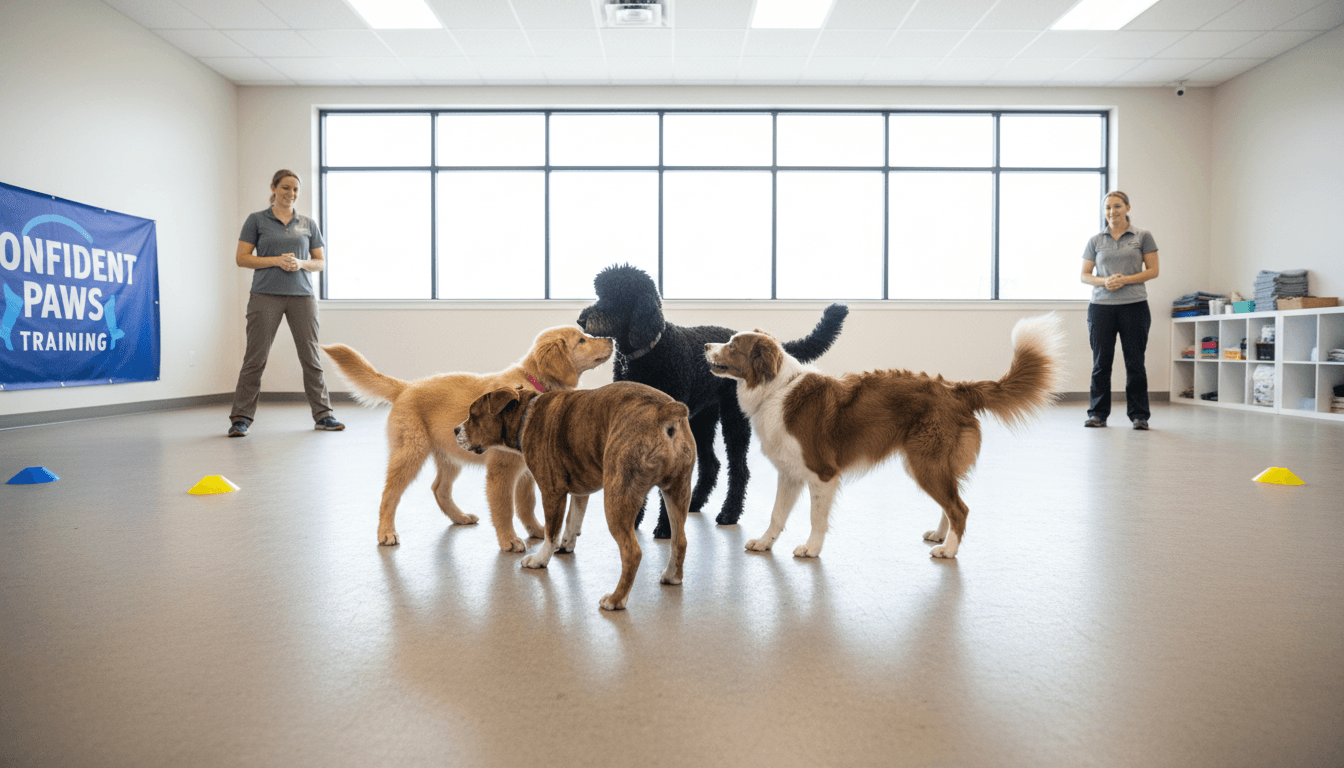
Traditional in-person classes often rely on a rigid four-week block, requiring you to navigate peak-hour traffic to reach a specific suburb by 6 PM on a Tuesday. While these settings offer direct socialisation, the environment is frequently overstimulating. A puppy distracted by five other barking dogs struggles to retain information; this often leads to owners feeling frustrated rather than empowered. In a crowded room, the instructor's time is divided, making it difficult to address the specific nuances of your puppy's temperament.
Choosing an Online Puppy School provides a different level of control. You can train in the exact environment where your puppy's behaviours occur, such as the kitchen, backyard, or front porch. This is particularly relevant when considering what age should my puppy start puppy school Australia, as online access allows you to begin the moment your puppy arrives without waiting for a new term to start or a waitlist to clear.
Families across Australia benefit from a self-paced curriculum that does not expire. Unlike physical classes that end after a month, online modules remain accessible for troubleshooting during the challenging adolescent phase. If you live in a remote regional town or a busy metro area, you receive expert guidance that fits your schedule. This ensures training becomes a consistent part of daily life rather than a stressful weekly chore.
Red Flags: When Your Puppy Needs Immediate Training
Waiting for a local class to open can be a mistake if your puppy displays concerning traits. While you might be focused on what age should my puppy start puppy school Australia, certain 'red flag' behaviors require intervention the moment they appear. These are not typical antics that puppies simply outgrow; they are early indicators of potential long term issues.
Recognising these signs early is crucial for a safe household: - Resource Guarding: Growling, stiffening, or snapping when anyone approaches their food bowl, treats, or toys. - High Intensity Biting: Nipping that consistently breaks the skin or is delivered with a stiff body rather than soft-mouthed play. - Extreme Environmental Fear: Trembling, panting, or bolting in response to everyday sounds like a vacuum, a bin truck, or the dishwasher.
Delaying professional guidance until a physical class starts next month allows these habits to set and become harder to reverse. Accessing an Online Puppy School provides the immediate tools needed to manage these risks safely at home before they escalate into dangerous adult behaviors. Addressing these issues the day they begin, regardless of your puppy's current age, is the most responsible path for a new owner.
How to Start Your Training Schedule Today
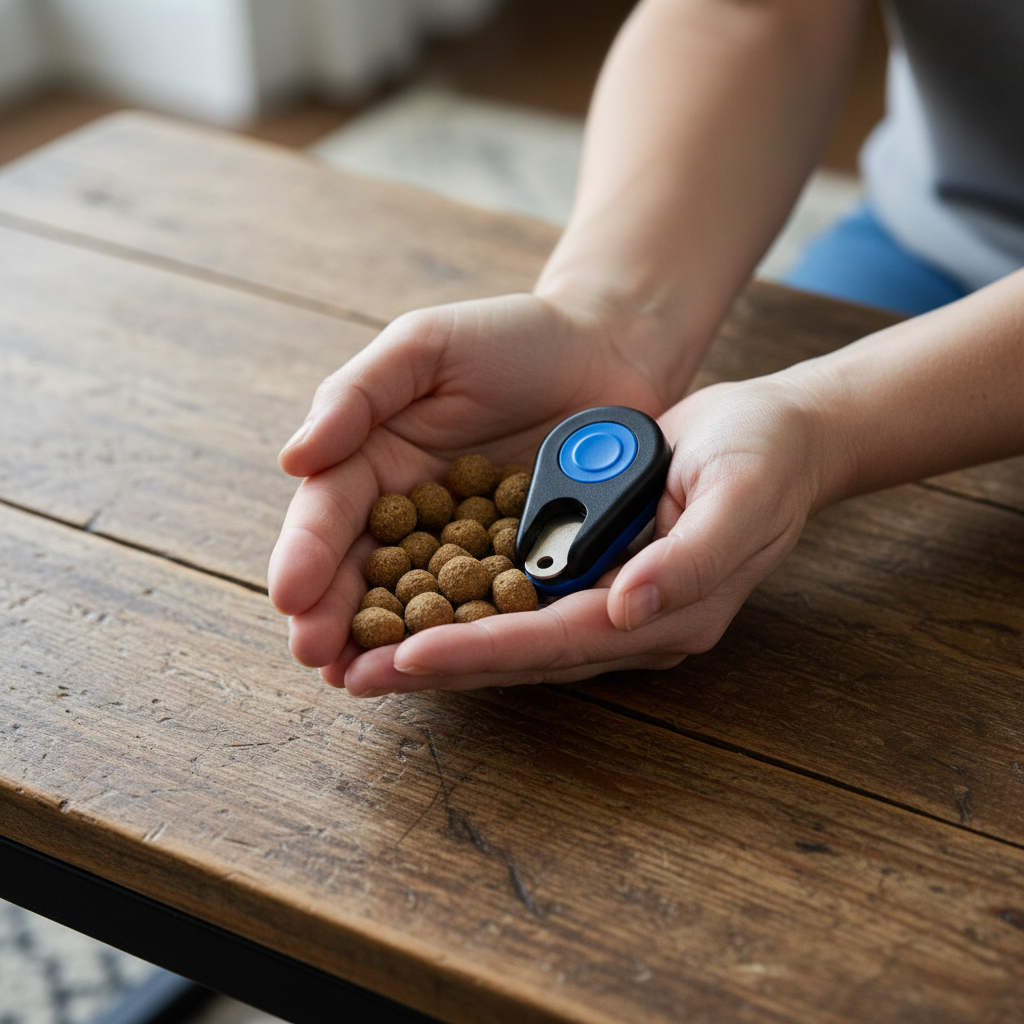
Effective training begins the moment your puppy crosses the threshold. Rather than waiting for a future calendar date, you can establish immediate order by focusing on three pillars during your first week. First, set up a crate in a low traffic area to provide a secure den for rest and prevent household accidents. Second, start a strict toilet schedule by taking them outside every hour and rewarding successful attempts immediately. Third, introduce lure training for the 'sit' command by using a small treat to guide their nose upward until their bottom hits the ground.
Determining what age should my puppy start puppy school Australia is less about weeks and more about your readiness to lead. The Online Puppy School curriculum guides you through these foundational milestones with a step by step path, ensuring you build a reliable bond and clear communication from the very first day.