Choosing between group classes vs one-on-one puppy training depends on your pup's socialization needs and specific behavioral goals. Group classes are ideal for building social skills and learning amidst distractions; conversely, one-on-one sessions provide personalized attention to tackle unique challenges or high-stress behaviors in a controlled environment.
Welcoming a new puppy into your Australian home often brings a wave of conflicting advice regarding early education. You might feel overwhelmed by the choice between high energy group classes or the focused attention of private sessions, especially when both options seem to offer different versions of success. This decision is fundamental to your dog's development because the wrong environment can inadvertently lead to overstimulation or reactive behavior later in life. Understanding the nuance between these methods is essential for building a reliable foundation of manners and confidence. In this article, we break down the practical pros and cons of both group and one-on-one training. We will examine the critical balance between socialization and sensory overload, while also introducing a modern hybrid approach that delivers expert results from the comfort of your own living room.
Navigating Puppy Training Options in Australia
Bringing a new puppy home is an exciting milestone for any Australian household, yet it often marks the start of a complex decision making process regarding their education. New owners frequently encounter the immediate pressure to enrol in a local Puppy Preschool at their vet clinic or sign up for a weekend session at the community park. These traditional options have long been the standard, but they often leave owners wondering if a more personalised approach is necessary for their specific environment.
The core of the debate usually centres on group classes vs one-on-one puppy training. Group settings are often praised for providing a space for socialisation, while private sessions provide a trainer's undivided attention to address specific household issues like toilet training or mouthing. Many people ask, Is Puppy School Worth It for First-Time Puppy Owners?, especially when balancing a busy work schedule with the intensive needs of a growing dog.
While these two models have dominated the Australian landscape for decades, they are no longer the only choices available. A modern, flexible alternative is emerging that bridges the gap between the structure of a professional curriculum and the convenience of at home learning. Understanding how these traditional methods compare is the first step in choosing a path that suits your puppy's unique temperament and your family's lifestyle.
The Pros and Cons of Group Puppy Classes

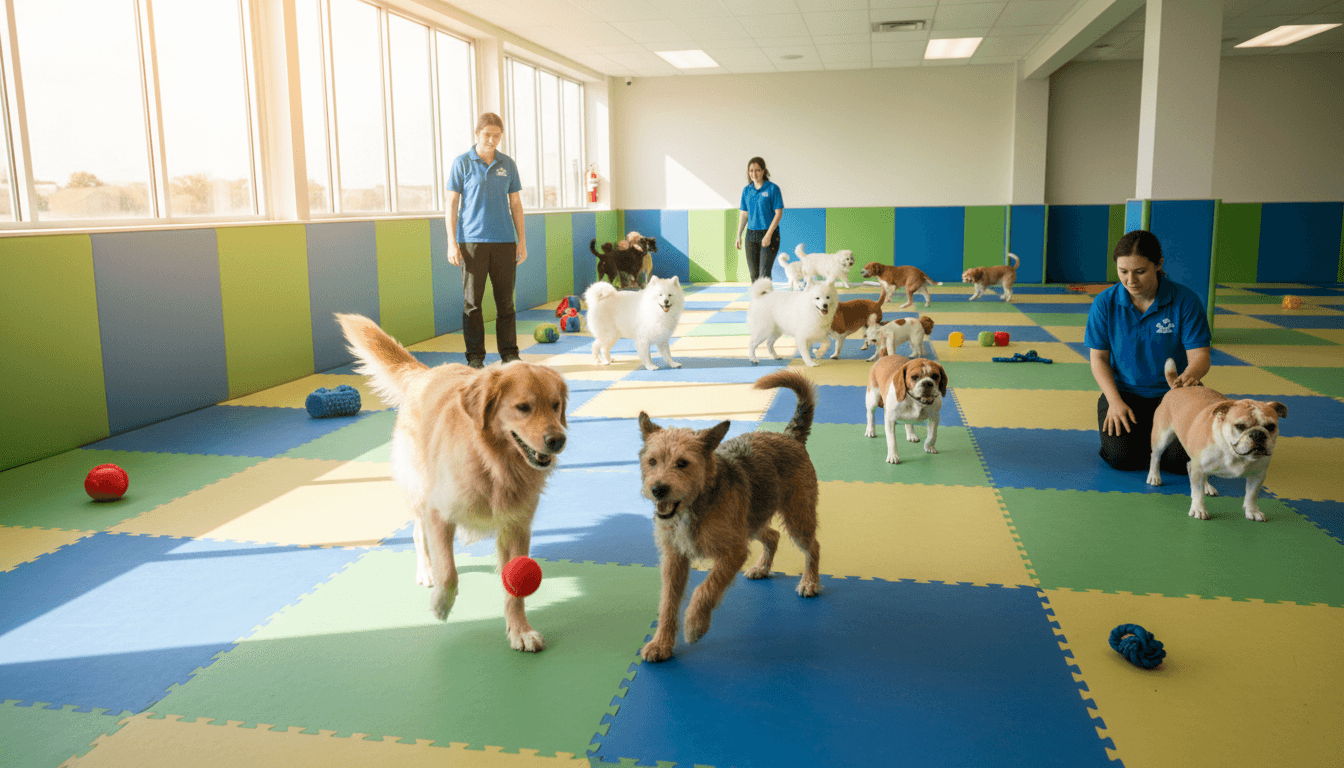
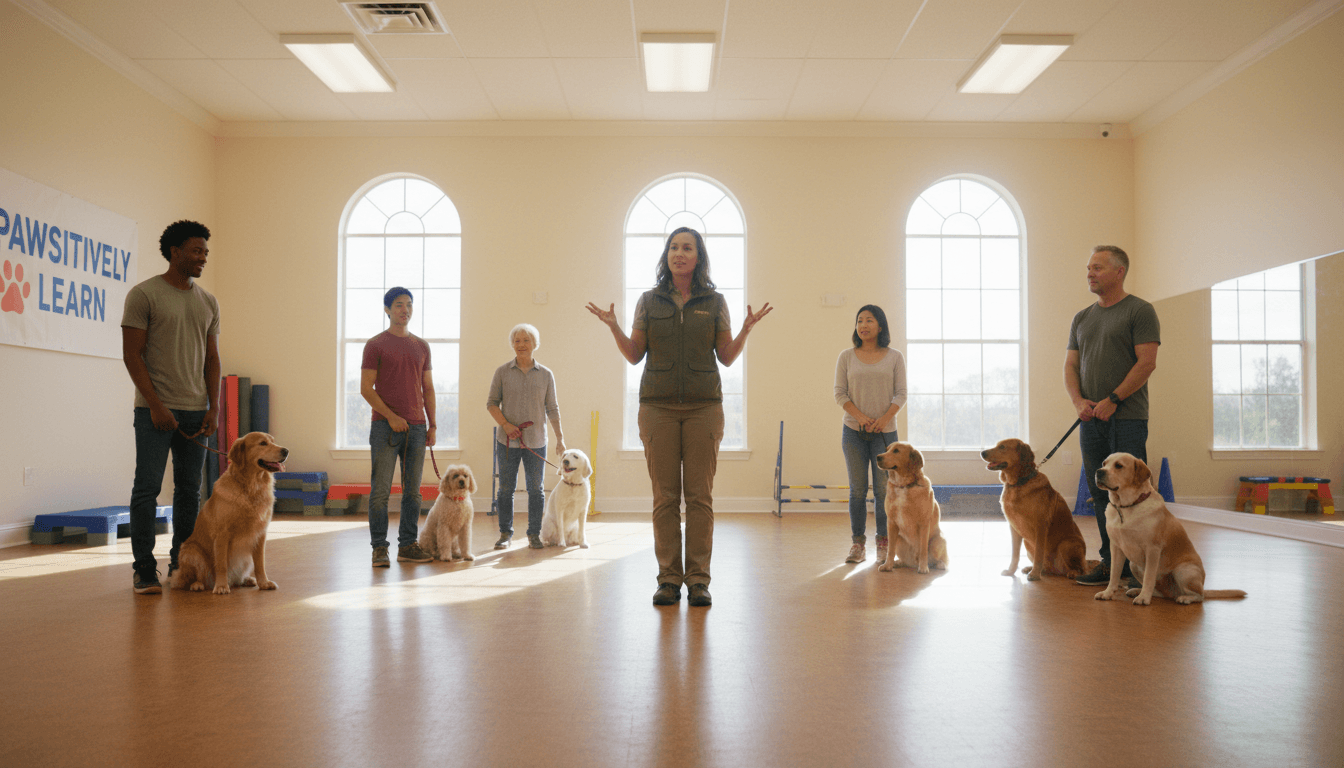
Group puppy classes are the traditional entry point for most owners. The primary draw is the built-in socialization, which allows your puppy to see, smell, and exist near other dogs in a controlled environment. This setting helps teach a puppy to focus on their handler despite the distractions of barking or playing peers. Many owners also value the community aspect; it is helpful to realize that other people in your neighborhood are struggling with the same chewed furniture or sleepless nights. For many, these sessions provide a basic understanding of What Happens in a Puppy School Class? while offering a relatively budget-friendly price point. In Australia, you can typically expect to pay between $130 and $180 AUD for a four to five week block.
However, the group model has significant drawbacks that can impact a puppy's long term temperament. The high-energy environment of a vet clinic floor or a local park can lead to overstimulation. When a puppy is overwhelmed by too much noise and activity, they may either shut down by refusing to move or become reactive by barking and lunging to create space. These stress responses often mean the puppy is not actually learning commands; they are simply trying to manage the sensory overload.
Furthermore, group classes rely on rigid scheduling. If your puppy is unwell, or if your work day runs late, you lose that session and the financial investment associated with it. This lack of flexibility is a common pain point when weighing group classes vs one-on-one puppy training, as missed weeks can leave significant gaps in your dog's foundational education. While the social aspect is enticing, the reality of a busy class can sometimes hinder the technical precision needed for early obedience.
The Benefits of One-on-One Puppy Training
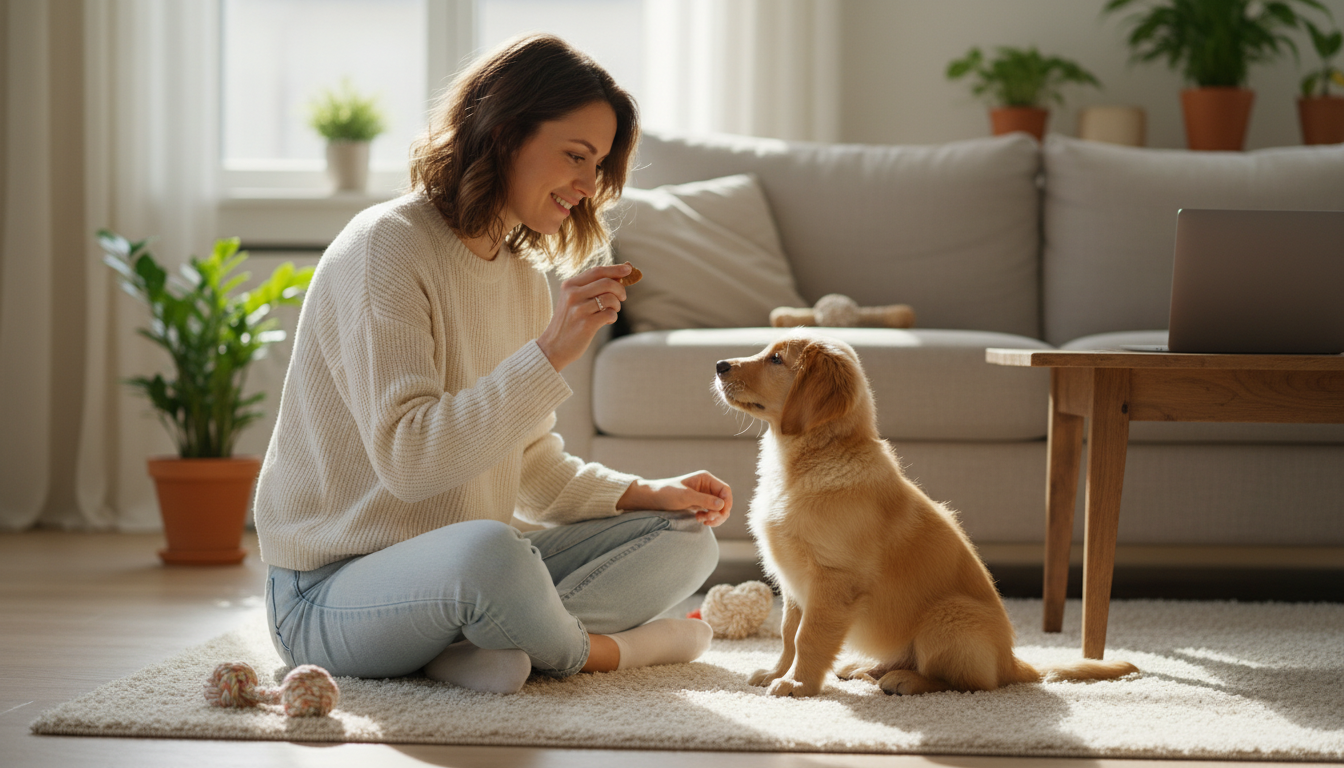
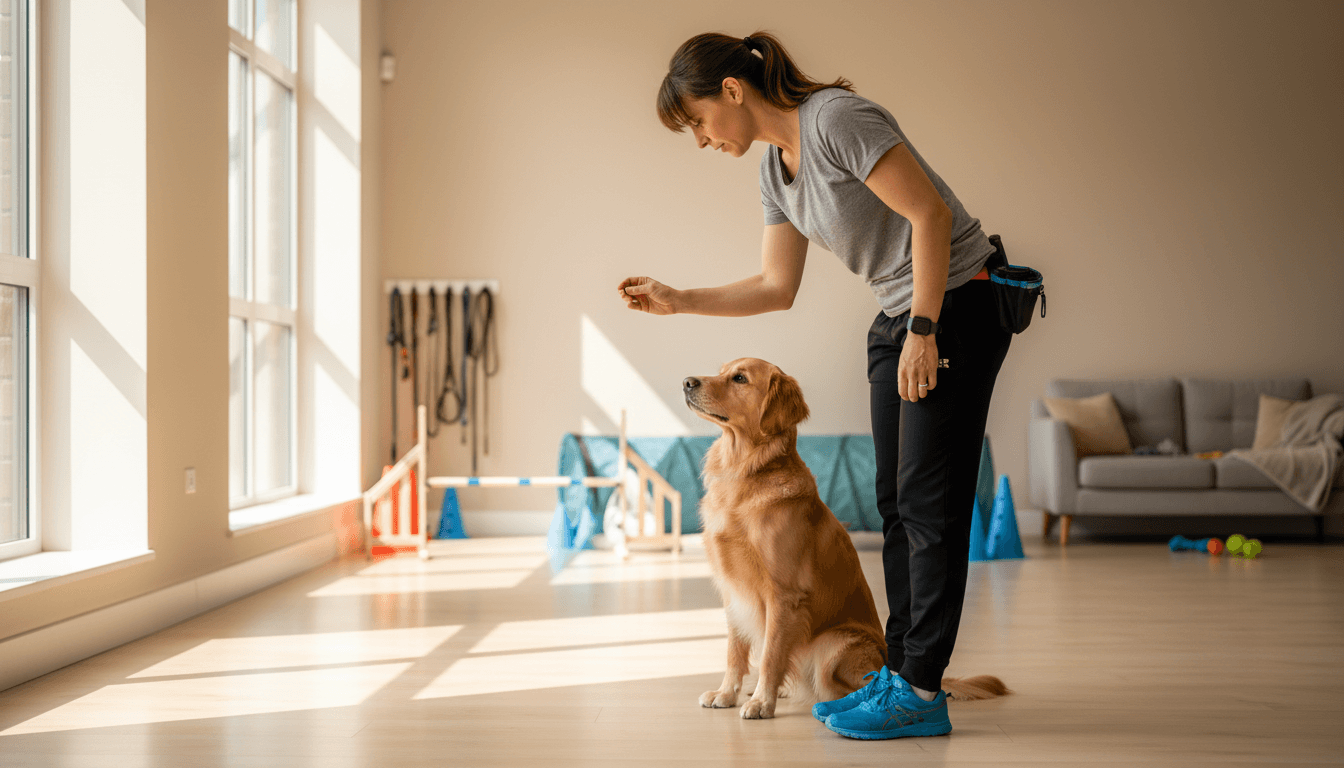
Private training offers a direct contrast to the bustling environment of a vet clinic floor by bringing the expertise of a professional directly into your home. This format is particularly effective for addressing behaviors that are context-specific, such as separation anxiety, destructive mouthing, or persistent toilet training accidents. While a group instructor might briefly mention these topics during a lecture, a private session allows the trainer to observe your puppy’s environment, identify specific triggers in your hallway or backyard, and create a bespoke plan that fits your family's unique routine.
The most significant advantage of this model is the undivided attention of the trainer. When evaluating group classes vs one-on-one puppy training, consider that a group instructor must divide their focus among several pairs, often meaning you only receive specific feedback for a few minutes per hour. In a private setting, the trainer’s eyes remain on your dog at all times. They can catch subtle body language cues or minute timing errors in your reward delivery that would be missed in a crowded park; this precision helps prevent the development of bad habits before they become ingrained.
However, this level of personalization comes with a higher financial commitment. In the Australian market, private sessions typically range from $100 to $200 per hour. For many households, this makes it a high-investment choice often reserved for complex behavioral concerns or for owners who require flexible scheduling outside of traditional business hours. While the cost is higher, the focused nature of the training often means you can resolve specific household hurdles faster than you might in a general curriculum that covers broader, less personalized topics.
Critical Factor: Socialization vs Overstimulation
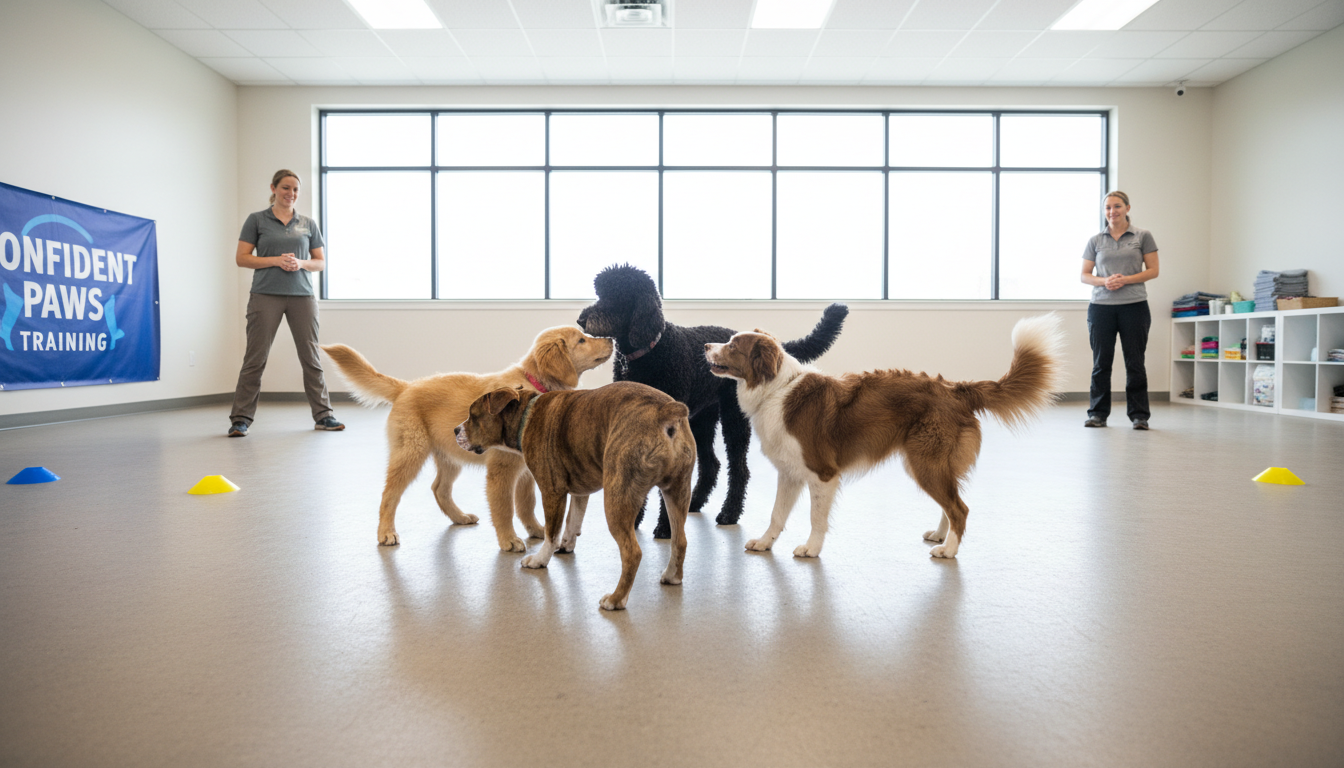
A frequent question among new owners is, "Are puppy play groups a good idea?" This highlights a common misconception in early dog development. Many people equate socialization with direct interaction, believing that play groups consisting of unstructured wrestling are essential for a well adjusted dog. In reality, true socialization is the process of exposing your puppy to various environments, sounds, and other animals so they learn to remain calm and neutral. Uncontrolled play groups can often be counterproductive; they teach puppies that every dog they see is a cue for lunging or frantic play.
When weighing group classes vs one-on-one puppy training, the management of this social exposure is critical. In a group setting, a poorly supervised session can lead to bad habits. If a bold puppy is allowed to bully a timid one, the bold puppy learns to use force, while the timid puppy learns that other dogs are a threat. For shy breeds or highly excitable working breeds like Kelpies and Border Collies, this overstimulation can trigger long term reactivity. This is why many ask Is Puppy School Worth It for First-Time Puppy Owners? when their primary goal is safety over simple interaction.
Training Type | Socialization Style | Risk Level | Ideal For |
|---|---|---|---|
Group Classes | Controlled exposure to distractions | High (if unmanaged) | Confident, resilient puppies |
One-on-One | Focused on handler neutrality | Low | Shy, anxious, or highly driven breeds |
One-on-one training lacks the presence of other dogs, but it provides a sanctuary for learning where the puppy can process information without their nervous system being on high alert. This calm environment is often a safer starting point for owners who want to prevent fear based behaviors. It ensures the puppy focuses on the handler rather than the environment, which is a foundational skill needed before navigating the complexities of a busy Australian dog park.
The Modern Alternative: Why Online Puppy School Offers the Best of Both Worlds
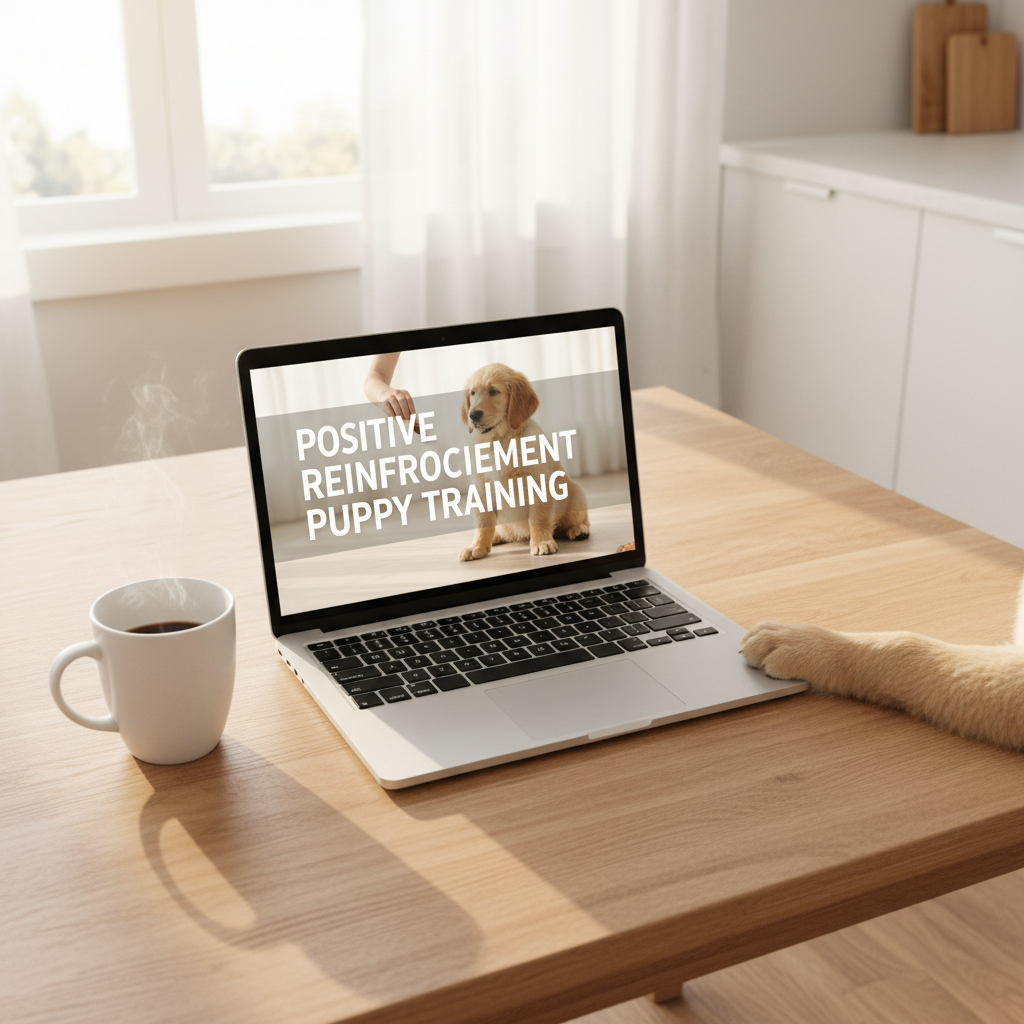
Bridging the gap between traditional formats, online puppy training has emerged as a strategic solution for owners who find the choice between group classes vs one-on-one puppy training restrictive. This model removes the chaotic variables of a vet clinic floor while retaining the professional, step by step curriculum found in a structured group program. By training in your own living room, you eliminate the travel time and the risk of your puppy becoming overstimulated by a dozen other barking dogs, allowing the learning process to remain calm and effective.
The scientific foundation of dog training emphasizes that new behaviors should always be taught in a low distraction environment. Attempting to teach a puppy to sit or stay for the first time in a busy park is often an exercise in frustration because the puppy's brain is too busy processing external stimuli. Online Puppy School prioritizes this 'success first' approach. You build a solid foundation of focus and muscle memory in your home, where your puppy feels safest. Once these behaviors are reliable at home, you can then progressively introduce the level of distraction found in public spaces, ensuring your puppy remains confident rather than overwhelmed.
For many busy Australian households, the rigid schedule of a 6:00 PM Tuesday class is simply not feasible. Work commitments, school runs, and family life often lead to missed sessions in a traditional four week block, which can stall a puppy's progress during their critical development window. Online learning provides the ultimate flexibility; you can train at 7:00 AM on a Saturday or in short, five minute bursts throughout the week. This consistency is far more effective for a puppy’s long term retention than a single, high pressure hour once a week. When considering Is Puppy School Worth It for First-Time Puppy Owners?, the ability to revisit lessons as many times as needed provides a level of value that neither a one hour private session nor a crowded group class can replicate.
How to Choose: A Quick Decision Matrix
Selecting the right educational path depends on your puppy’s temperament, your location, and your specific training goals. To determine the best fit between group classes vs one-on-one puppy training or an online alternative, evaluate where your pup sits on the confidence scale and how much time you can realistically commit each week.
Feature | Group Classes | One-on-One Training | Online Puppy School |
|---|---|---|---|
Primary Goal | Socialization and Distraction | Specific Behavioral Issues | Foundation and Skill Building |
Environment | Vet Clinic or Public Park | Your Home | Your Home (Digital) |
Cost (AUD) | $130 to $180 per block | $100 to $200 per hour | Single Program Fee |
Schedule | Rigid Weekly Classes | Flexible by Appointment | Train Anytime |
Choose Group Classes if: - Your puppy is confident, resilient, and handles new environments without showing signs of fear or shutdown. - You want to practice basic commands while other dogs are nearby to build distraction tolerance. - You enjoy the community aspect of meeting other local pet owners in your neighborhood.
Choose One-on-One Training if: - Your puppy is displaying specific behavioral challenges such as intense mouthing, resource guarding, or separation anxiety. - Your home environment is complex or requires a trainer to see your specific setup in person to provide tailored advice. - You require a highly customized schedule and can accommodate a higher hourly investment for a specialist's time.
Choose Online Puppy School if: - You live in a regional area of Australia where access to high quality What Happens in a Puppy School Class? is limited. - You want professional results but need the flexibility to train at your own pace around work, school runs, and family commitments. - You want to build a solid foundation in a low distraction environment before testing skills in high pressure public spaces. - You are a first-time owner wondering Is Puppy School Worth It for First-Time Puppy Owners? and want the ability to re-watch lessons as your puppy develops.