To socialise puppy in an apartment, you should introduce them to common building sounds like elevators and hallway traffic while rewarding calm behavior with positive reinforcement. Incorporating gentle handling sessions and taking varied urban walks will further help your pet become comfortable with different people, animals, and city environments.
Navigating the critical socialisation window while living in a high density Australian apartment presents a unique set of logistical hurdles that often leave new owners feeling overwhelmed. From the echoing clatter of common hallways to the daunting prospect of managing elevator encounters before final vaccinations, the urban environment can feel like a minefield of potential stressors. However, mastering these transitions is essential for raising a resilient companion who remains unfazed by city life. This guide provides a strategic roadmap for desensitising your puppy to domestic sounds, navigating shared spaces with confidence, and safely exploring the urban jungle. You will discover practical techniques to turn your compact living space into a training sanctuary; ensuring your puppy develops the necessary social skills and mental fortitude to thrive in a modern Australian apartment setting.
The Unique Challenges of Socialising a Puppy in Australian High Density Living
Living in a high-rise in Melbourne’s CBD or a modern complex in Sydney’s inner west changes the fundamental approach to early development. To successfully socialise puppy in an apartment, owners must shift their perspective on what socialisation actually means. It is not merely a series of playdates with other dogs; rather, it is the process of creating positive associations with every new sight, sound, and smell your dog encounters.
While apartment living lacks the traditional private backyard, it offers a dense sensory buffet that suburban dogs often miss. From the hum of the air conditioning unit to the specific scent of the rubbish chute, your environment is rich with learning opportunities. Most training advice overlooks the micro-socialisation moments occurring between your front door and the street level. These transitional spaces, like echoed hallways and shared lobbies, are vital for building a resilient pet.
Starting an online puppy training course allows you to navigate these high-traffic environments systematically. By focusing on socialising your puppy safely within your building's footprint, you ensure your puppy becomes accustomed to the complexities of urban life before they even set paw on a busy city pavement. This controlled exposure prevents the sensory overload that can lead to anxiety or noise reactivity in later life.
Start Inside: Desensitising Your Puppy to Apartment Sounds and Textures
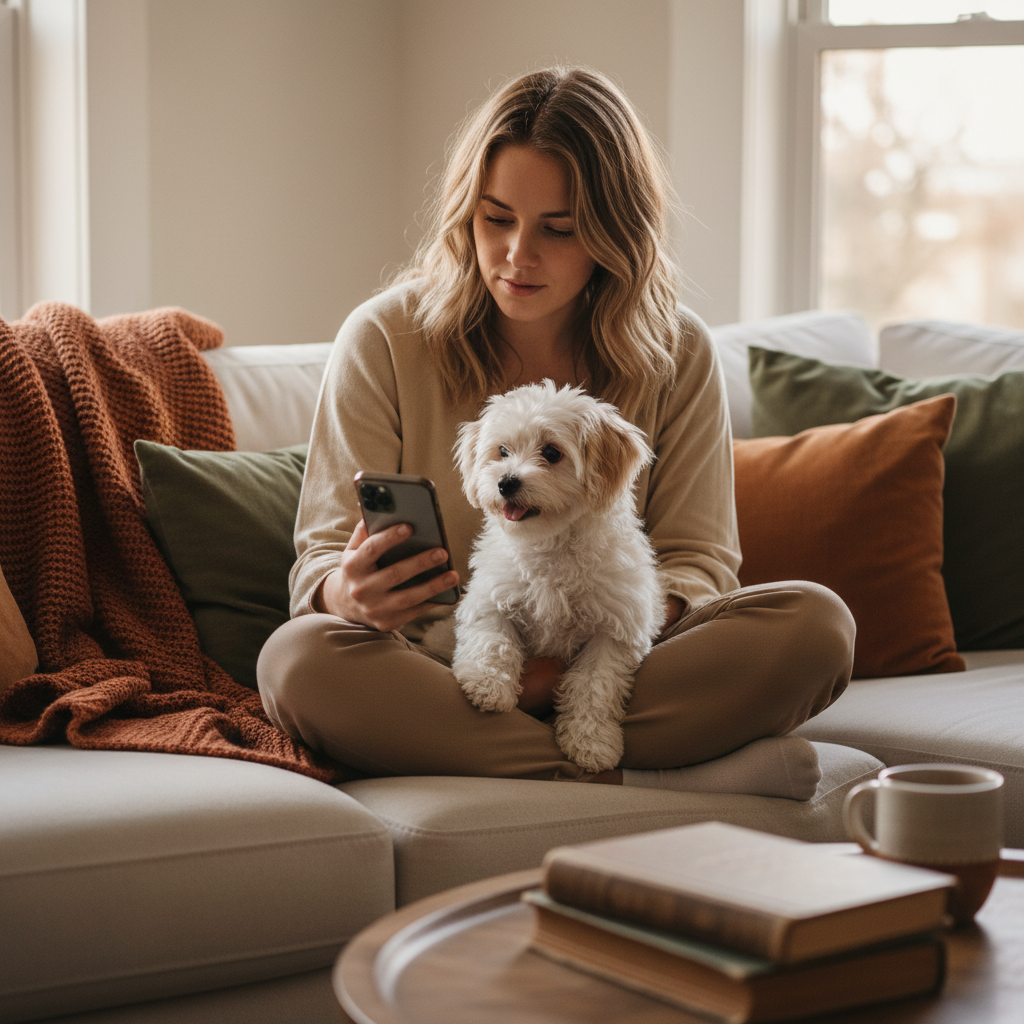
To effectively socialise puppy in an apartment, the work begins before you ever cross the threshold of your front door. During the critical period before your puppy is fully vaccinated, your home serves as a controlled laboratory for exposure. Most modern Australian apartments are filled with specific auditory triggers that, if ignored, can lead to a reactive or fearful adult dog.
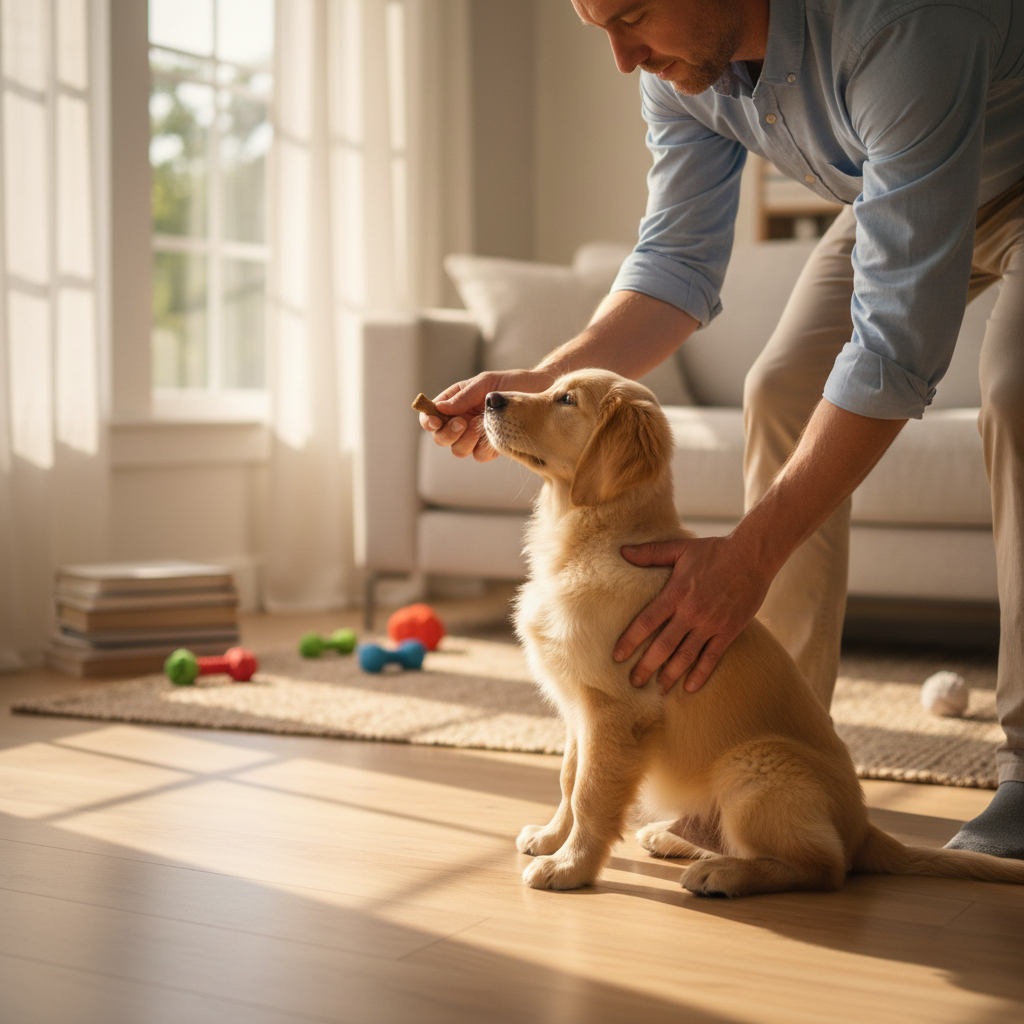
Start by identifying the daily beeps of high-rise living. The shrill ring of the intercom, the digital chirp of a microwave, or the sudden whir of a dishwasher can be startling. Every time an appliance makes a sound, immediately toss a high-value treat to your puppy. You want them to hear the intercom and look at you in anticipation of a reward rather than barking at the door. Pay close attention to environmental sounds unique to density living; this includes the rhythmic hum of the air conditioning unit or the muffled voices of neighbours passing through the hallway.
Tactile exposure is equally vital for building confidence. Guide your puppy across the various surfaces in your home to prevent future surface shyness. Practice transitions between:
Cool ceramic tiles in the kitchen or laundry.
Smooth timber floorboards or laminate in the living area.
Plush rugs or bedroom carpeting.
The textured concrete or artificial turf of a balcony, provided the railing is secure and the area is clean.
Focusing on socialising your puppy safely within these four walls builds a foundation of neutrality. By the time they are ready for the outside world, the noises of a home have already become predictable signals for something positive.
Mastering the Threshold: Elevators, Hallways, and Common Areas
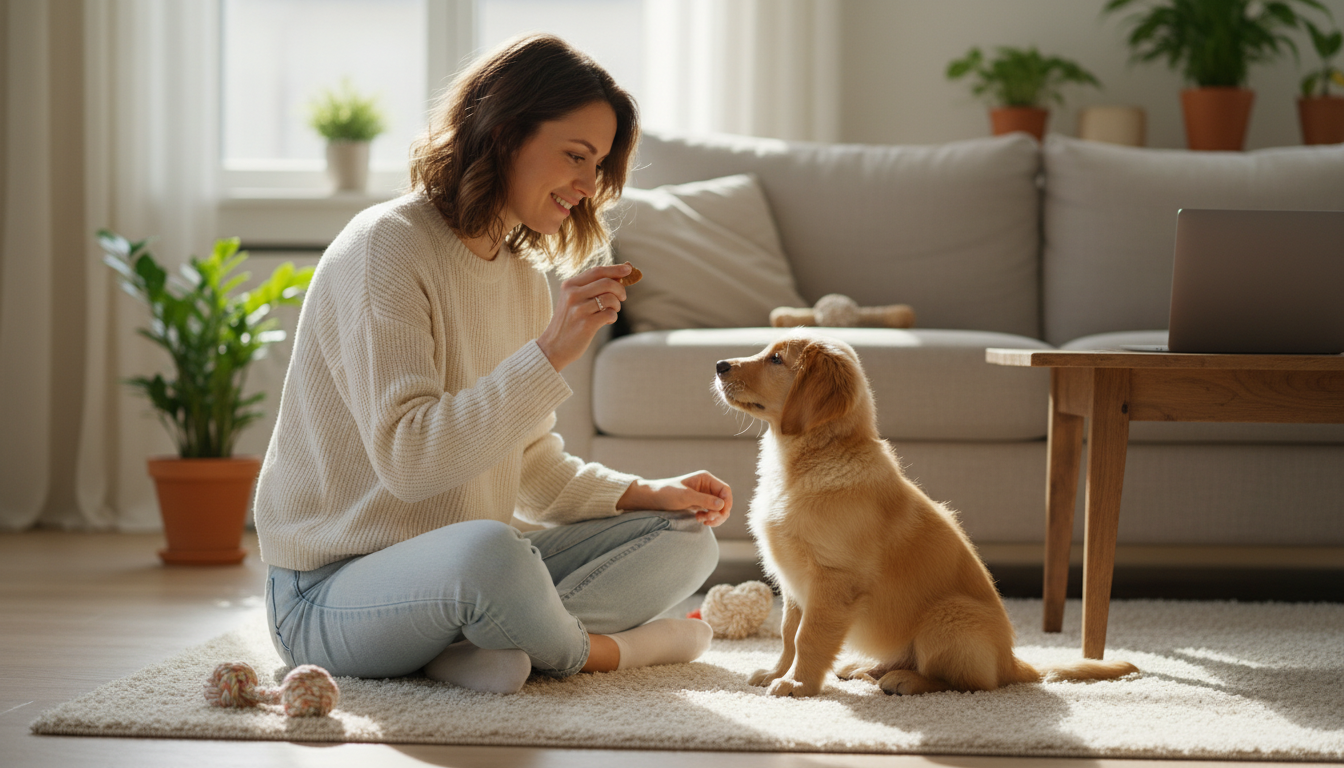
Once your puppy is comfortable with the sounds of your specific unit, the next challenge is navigating the no man's land of the apartment complex. These communal areas are often the most intimidating for a young dog because they contain unpredictable mechanical noises and concentrated scents from other residents. To successfully socialise puppy in an apartment, you must treat the journey from your front door to the street as a dedicated training session.
The elevator is frequently the most daunting obstacle. The sudden change in air pressure, the floor's vibration, and the high pitched "ding" of the arrival bell can cause a puppy to freeze or bolt. To manage this, stand in the centre of the lift where the movement feels most stable. Feed small, frequent treats from the moment the doors slide open until you exit. This creates a positive association with the mechanical movement and the sensation of rising or falling through space.
Heavy fire doors and echoing corridors present their own set of sensory challenges:
Fire Doors: These are designed to be heavy and often close with a significant thud. Before the door slams, offer a high value reward to counter condition the startling noise.
Hallway Acoustics: Long corridors act like echo chambers. Voices from three floors away or footsteps around a corner can sound unnervingly close. Use engagement cues to keep your puppy focused on you rather than reacting to every muffled sound behind a neighbour's door.
During these early stages, carry your puppy through common areas. This provides a safe harbour where the puppy feels secure while observing the environment from your height. It is also the most effective way to prevent toileting accidents on communal carpets or in the lift; a crucial part of being a responsible apartment dweller. Following a structured online puppy training course provides further techniques for managing these high traffic transitions. Using these methods ensures you are socialising your puppy safely before they are ready for the intensity of the street level.
Can My Puppy Socialise with Other Dogs Before Their Final Vaccination?
A common concern for high-rise residents is how to navigate the conflict between the critical window of socialisation, which typically closes at 16 weeks, and the timing of a puppy's final vaccination booster. Waiting until your puppy is fully protected by their 16-week C5 vaccination to begin exposure means missing the most formative period of their life. However, Australian city streets and high-traffic dog parks are high-risk zones for parvovirus, making public interaction dangerous for an unvaccinated pup.
To safely socialise puppy in an apartment, you must prioritise controlled, low-risk environments over public spaces. The most effective strategy is to host private playdates within your unit. Invite a friend's adult dog over, provided they are healthy, calm, and fully vaccinated. This allows your puppy to learn essential canine body language and social cues on a surface you know is clean and safe.
Choosing an online puppy training course is the safest way to bridge this gap. You receive expert instruction on socialising your puppy safely from the security of your home; this eliminates the risk of cross-contamination often found on the floors of physical puppy preschools. By focusing on quality over quantity, you can build a socially confident dog without compromising their health during these first few vital months.
Street Level Socialisation: Navigating the Urban Jungle
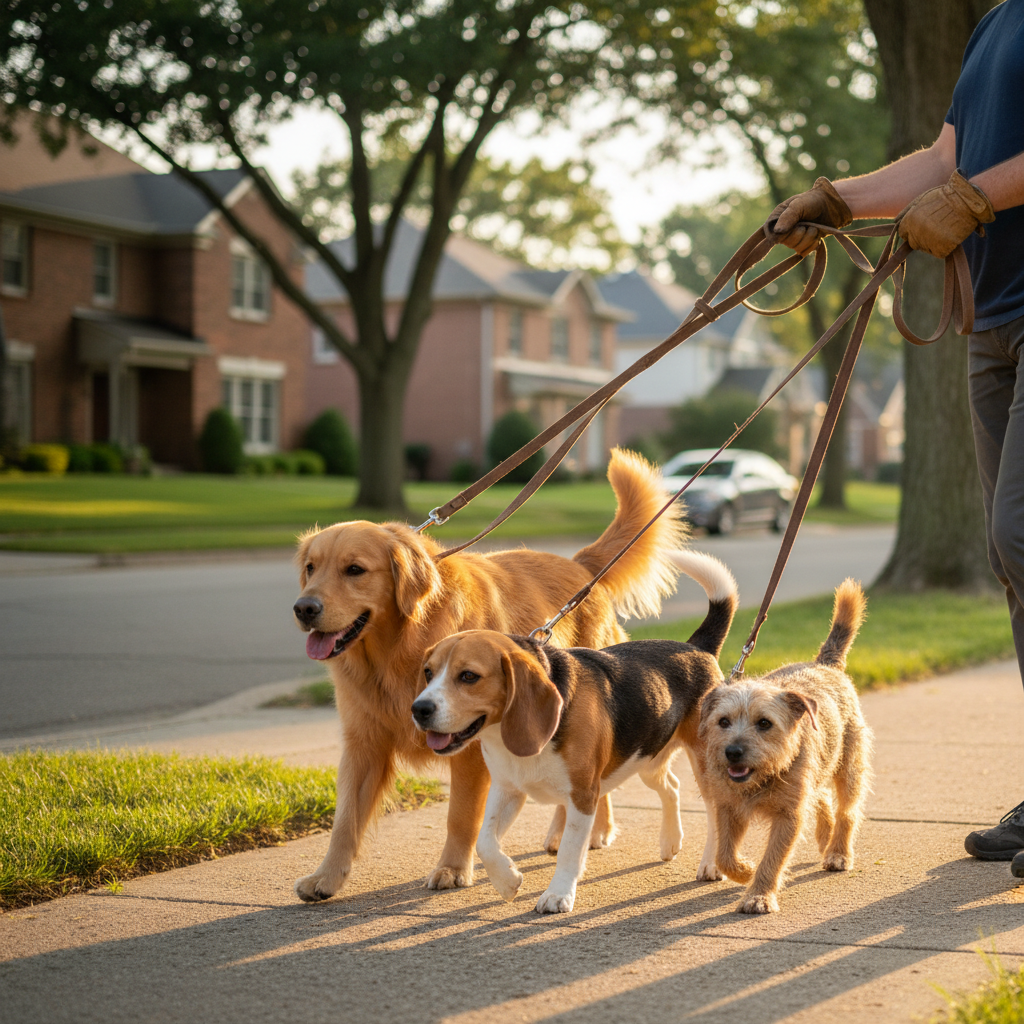
Stepping out of the lobby and onto the pavement marks the transition from your controlled building environment to the unpredictable urban jungle. To effectively socialise puppy in an apartment, you must treat the street level as a viewing gallery rather than a gauntlet of forced interactions. Your primary goal is to foster a sense of calm neutrality amidst the energetic pulse of Australian city life.
Begin by finding a stationary perch where you can sit and observe. A sturdy park bench, a low wall near a busy intersection, or even your own balcony offers a safe vantage point for your puppy to process environmental stimuli. Focus on exposing them to common city sights that are unique to our urban landscape. This includes tradies in high-vis gear near construction sites, cyclists navigating shared footpaths, and the sudden hiss of air brakes from a passing bus. Rather than walking toward these triggers, let your puppy watch them pass from a distance where they feel secure.
Olfactory stimulation is just as important as visual exposure. Allow your puppy to sniff the air near a local coffee shop or investigate the scents around public rubbish bins from a safe distance. This passive observation prevents the sensory overload that often occurs when a puppy is forced to greet every passerby or dog they encounter. By prioritising socialising your puppy safely through quiet observation, you build their confidence without triggering a fear response. If you find your puppy becoming overwhelmed or hyper-fixated, an online puppy training course provides the specific engagement techniques needed to redirect their focus back to you, ensuring the urban environment remains a positive, manageable experience.
How to Entertain and Mentally Stimulate a Puppy in a Small Space
Mental stimulation is the silent partner of successful socialisation. A puppy that lacks focused engagement at home often becomes hyper-vigilant to hallway noises or movement outside the window. When you socialise puppy in an apartment, you are teaching them to be calm and confident; this state of mind is best achieved through structured indoor activities that channel their energy constructively.
In a confined living space, you can achieve remarkable results without needing a backyard. Five minutes of focused mental training, such as practicing a 'settle' on a mat or mastering basic obedience, is as physically and mentally tiring as a 20-minute walk for a young pup. These sessions allow you to reinforce desired behaviours while burning off the 'zoomies' that often occur in small floor plans.
Activity | Benefit | Apartment Suitability |
|---|---|---|
Find the Treat | Encourages natural foraging and problem solving | High; use sofa cushions or rugs to hide rewards |
Lick Mats | Lowers cortisol and promotes relaxation | Excellent for decompressing after a busy street walk |
Basic Obedience | Builds focus on the owner despite hallway echoes | Noise-free and requires minimal floor space |
Engaging with an online puppy training course provides a structured curriculum for these indoor sessions. By focusing on socialising your puppy safely through enrichment and brain work, you ensure they remain entertained and settled. This proactive approach prevents the boredom-based barking that often leads to friction with neighbours in high-density buildings.