Yes, your puppy can meet other dogs before final vaccination provided the interaction occurs in a controlled, private setting with healthy pets that are fully up to date on their shots. While you must avoid high risk public areas like dog parks until the series is complete, early socialization with known, vaccinated dogs is vital for behavioral development and immunity.
Bringing home a new puppy often triggers an immediate conflict between the desire to start socialization and the fear of life threatening diseases like Parvovirus. You want your puppy to grow into a confident, well adjusted adult dog, yet the advice to keep them strictly indoors until their final vaccination feels like a missed opportunity for vital development. This tension matters because the primary socialization window closes rapidly, often before the full vaccine schedule is complete. In this guide, we will navigate the nuances of puppy immunity within the Australian climate. You will learn how to identify safe environments for controlled meetings, which high risk zones to avoid at all costs, and how to utilize professional training strategies to ensure your puppy develops essential social skills without compromising their health. Balancing these priorities is possible with a structured, science based approach.
The Great Debate: Health Protection vs. Social Development
Bringing home a new puppy often triggers a wave of immediate anxiety, specifically regarding the question: can my puppy meet other dogs before final vaccination? You likely feel pulled between two conflicting schools of expert thought. On one hand, your veterinarian warns of the very real dangers of Canine Parvovirus, a hardy virus that can survive in Australian soil for over a year. On the other hand, trainers and behaviorists emphasize that the window for critical socialization is narrow, typically occurring between 4 and 16 weeks of age.
Historically, the standard advice across Australia was a strict lockdown until the final booster was administered. However, this conservative approach is evolving. While health protection is paramount, waiting until the final 16 week shot means missing the peak of your puppy’s social development. Veterinary behaviorists now highlight that behavioral issues, often rooted in a lack of early exposure, result in more rehoming cases than infectious diseases do.
The challenge lies in managing risk rather than avoiding it entirely. By the time a puppy is fully protected by traditional standards, their natural curiosity is already being replaced by a cautious fear response to the unknown. Navigating this period requires a nuanced approach that prioritizes both immediate physical health and long term mental stability.
When Can My Puppy Meet Other Dogs? A Timeline of Risk
Understanding the timeline of immunity is the first step in navigating your puppy’s social life. In Australia, the standard vaccination protocol usually follows a three dose schedule at 6 to 8 weeks, 10 to 12 weeks, and 14 to 16 weeks of age. While this provides a roadmap, it is essential to realize that protection is a gradual buildup rather than an overnight switch.
After the first vaccination at 6 to 8 weeks, your puppy has begun to develop resistance, but they are far from fully protected. Maternally derived antibodies can sometimes interfere with the vaccine’s effectiveness; this is why the subsequent boosters are vital. When asking can my puppy meet other dogs before final vaccination, the answer depends entirely on where you sit on the risk spectrum. Interaction is not a binary choice between total isolation and total exposure.
Risk Level | Description | Recommendation |
|---|---|---|
High Risk | Public dog parks, beaches, and high traffic footpaths. | Avoid entirely until 10 days after the final booster. |
Moderate Risk | Sanitized puppy preschools or meeting known vaccinated dogs in public areas. | Proceed with caution after the second vaccination. |
Low Risk | Private, enclosed yards with healthy, fully vaccinated adult dogs. | Generally safe after the first vaccination with supervision. |
Modern vaccines are significantly more effective than those used in previous decades, meaning the window of vulnerability is shorter than it once was. However, the first shot is a foundation, not a shield. Until the second booster at 10 to 12 weeks is administered and has had time to activate the immune system, you are managing a partial immunity that requires specific conditions to remain safe.
Rules for Meeting Vaccinated Dogs Before the Final Shot
While partial immunity is building, you can begin introducing your puppy to select dogs if you follow a strict set of safety protocols. When considering if an unvaccinated puppy with vaccinated dog interaction is appropriate, you must look beyond just the vaccination certificate. Safety during this phase is defined by both biological health and behavioral appropriateness.
To facilitate a safe meeting, ensure the following three criteria are met:
Verified Vaccination Status: The adult dog must be fully up to date with their vaccinations, typically a C5 booster in Australia, and appear in peak health. They should have no signs of illness, such as coughing, lethargy, or digestive upset.
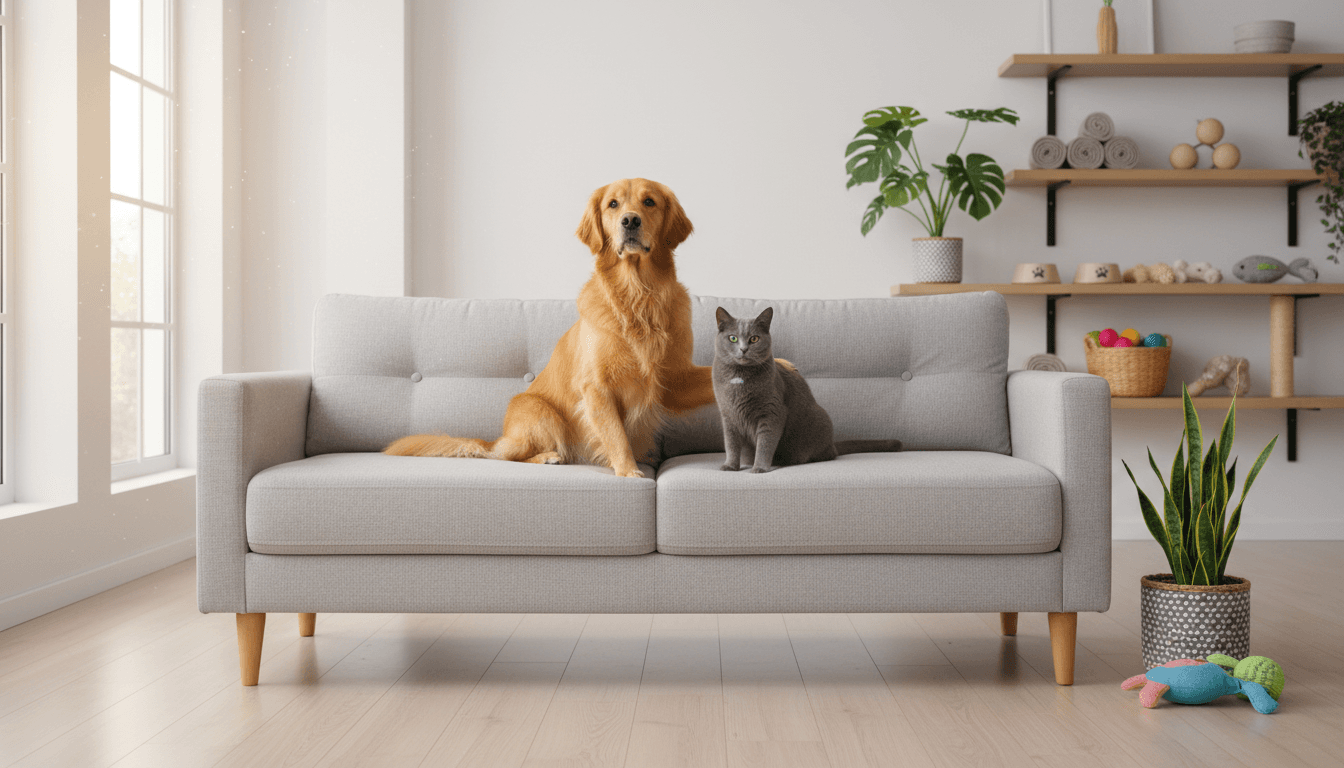
Controlled Environment: Meetings must occur in a private, enclosed backyard where no unknown or unvaccinated dogs have had access. Avoid front yards or public nature strips, as parvovirus can persist in Australian soil for over twelve months and is easily tracked into high-traffic areas.
Known Temperament: The adult dog should have a proven history of being gentle and tolerant with young puppies.
It is critical to distinguish between a biologically safe dog and a socially safe dog. A fully vaccinated adult might be healthy but physically overwhelming or overly corrective. A negative experience during this sensitive period can be just as damaging as a viral infection, potentially leading to lifelong fear-based reactivity. Always supervise these interactions closely; the goal is to build confidence through positive, low-stress encounters rather than simply tiring the puppy out with rough play. By following these rules, the question of can my puppy meet other dogs before final vaccination becomes a matter of smart management rather than a total prohibition on social growth.
Why the Socialization Window is Non-Negotiable
The biological urgency of socialization is driven by a developmental shift that occurs around the 12 week mark. Up until this point, puppies are naturally programmed to approach new experiences with curiosity rather than caution. Once this threshold is crossed, their brains begin to prioritize survival, causing them to view unfamiliar sights, sounds, and animals with a default fear response. If a puppy has not been safely exposed to the world before this window starts to close, they are significantly more likely to develop lifelong anxiety or reactivity.
In Australia, organizations like the RSPCA emphasize that the behavioral health of a dog is just as critical as their physical health. Statistical data from veterinary behaviorists shows that more dogs are surrendered to shelters or euthanized due to preventable behavioral issues than are lost to infectious diseases like parvovirus. This stark reality is why the traditional advice to remain in total isolation for four months is no longer the gold standard.
When you consider if can my puppy meet other dogs before final vaccination, you are balancing a manageable viral risk against a near-certain behavioral deficit. While parvovirus is a serious threat in the Australian environment, the risk of raising a dog that cannot safely navigate public spaces, vet clinics, or social gatherings is a heavy burden for any owner. Socialization is not just about play; it is a non-negotiable insurance policy for your puppy’s future mental stability.
The Australian No-Go Zones: High-Risk Areas to Avoid
While early exposure is vital, you must be extremely selective about where your puppy’s paws touch the ground. In Australia, Canine Parvovirus is remarkably resilient; it is a non enveloped virus capable of surviving in the soil for over twelve months despite our harsh climate. This means that any area with high dog traffic is a potential reservoir for infection. When you ask yourself, can my puppy meet other dogs before final vaccination, the answer is yes, but only if you avoid these high risk zones entirely until ten days after the final booster.
Specific areas to avoid include:
Public Dog Parks: These are the highest risk areas in cities like Sydney, Melbourne, and Brisbane. You have no way of verifying the vaccination status or health of the hundreds of dogs that may have visited the week prior.
Public Footpaths and Nature Strips: These are common toilet spots for local dogs. Even if the path looks clean, viral particles can linger on the surface and be picked up by your puppy’s paws.
Pet Supply Store Floors: These stores are high traffic zones for dogs of unknown health status. If you must take your puppy inside, keep them in a trolley lined with a clean towel or carry them.
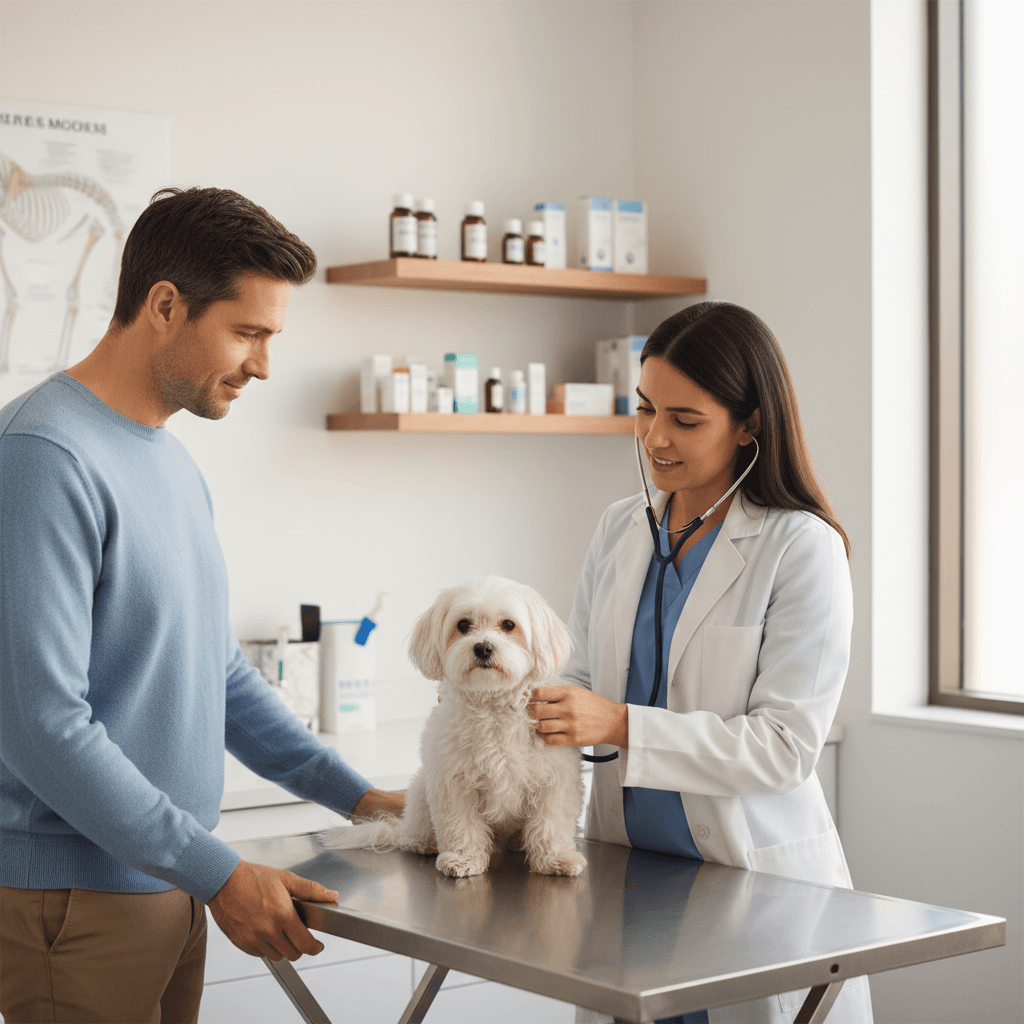
Vet Clinic Carparks and Floors: Paradoxically, the vet is a place where sick dogs congregate. Always carry your puppy from the car directly into the consulting room and avoid letting them sniff the grass outside the clinic entrance.
Socializing Without Direct Contact
Socialization is often misunderstood as synonymous with play, but much of a puppy’s critical learning happens through observation. You can fulfill their developmental needs without any physical contact by using pavement watching techniques. Park your car near a busy shopping strip or a local park and allow your puppy to watch the world from the safety of the boot or a secure carrier. They can observe different human gaits, people wearing high-vis gear, and the movement of bicycles, all while remaining completely isolated from ground-borne pathogens.
Expanding their world also includes exposure to inanimate objects and varied sounds, which carries zero viral risk. Introduce your puppy to the sight of large wheelie bins, open umbrellas, and vacuum cleaners within your home or a private garage. Use high-quality audio recordings to desensitize them to common Australian sounds like thunderstorms, sirens, or even loud local birdlife. While you are considering if can my puppy meet other dogs before final vaccination, focusing on these contactless experiences ensures you maximize the narrow 4 to 16 week window without compromising their physical health.
How to Handle the 10 to 12 Week Vaccine Milestone
The 10 to 12 week vaccination represents a critical pivot in your puppy’s immunity. This second booster is designed to overcome lingering maternal antibodies and stimulate a robust immune response. Owners often ask how soon can my puppy meet other dogs after second vaccination; it is vital to remember that protection is not instantaneous. The immune system requires a 7 to 10 day window to process the vaccine and develop effective antibodies. During this week, maintain your current isolation protocols to ensure the booster has time to take full effect.
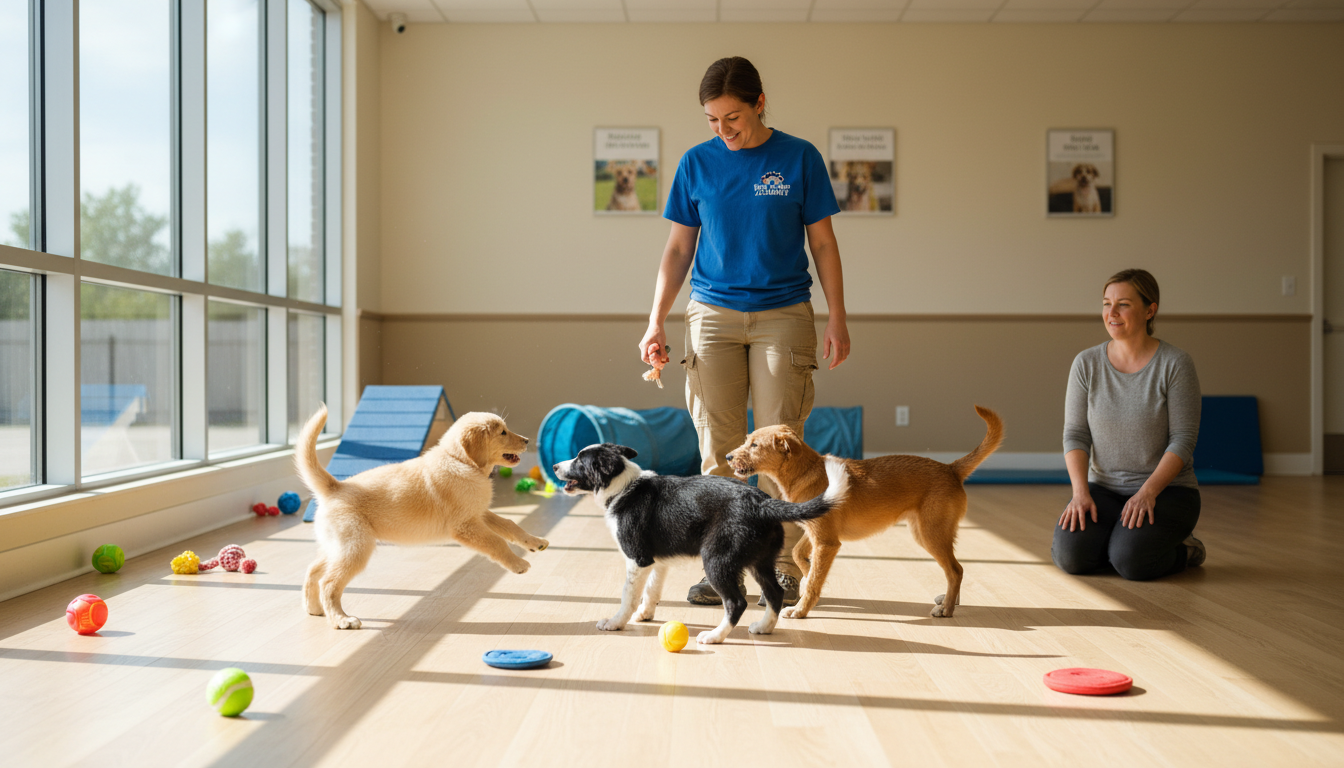
Once this period has elapsed, the second shot is considered active. At this stage, many Australian veterinarians permit attendance at supervised puppy preschools held in sanitized, indoor environments. These classes provide a controlled setting where your puppy can interact with healthy, age-appropriate peers. This milestone shifts the risk profile of can my puppy meet other dogs before final vaccination, allowing for structured social development without the high viral risk of a public park.
Using Online Puppy School to Bridge the Gap
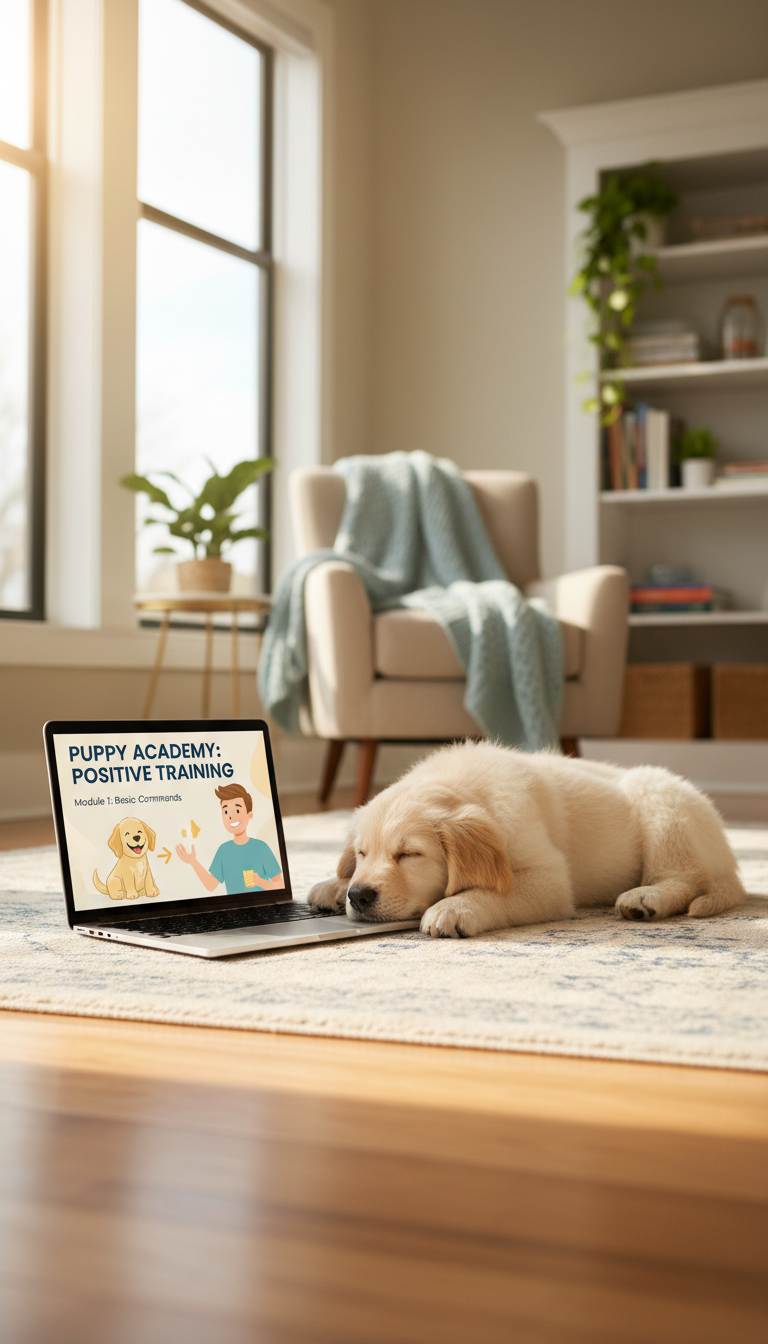
Online Puppy School offers a proactive way to navigate the period before full immunity. While you weigh up if can my puppy meet other dogs before final vaccination, our digital curriculum allows you to begin professional training the moment your puppy arrives home. This eliminates the bio-security risks associated with public environments while ensuring you do not waste the critical four to sixteen week developmental window.
Learning in a familiar, low-distraction environment like your living room is often more effective for a young puppy than a chaotic outdoor setting. You can master essential foundation skills such as sit, stay, and focus without the overwhelming sensory input of a public space. By the time your puppy reaches the 16 week milestone and is cleared for physical interaction, they will already have a robust communication system in place. Our self-paced modules provide the theoretical and practical knowledge needed to transition from your backyard to the local Australian park with confidence and control.