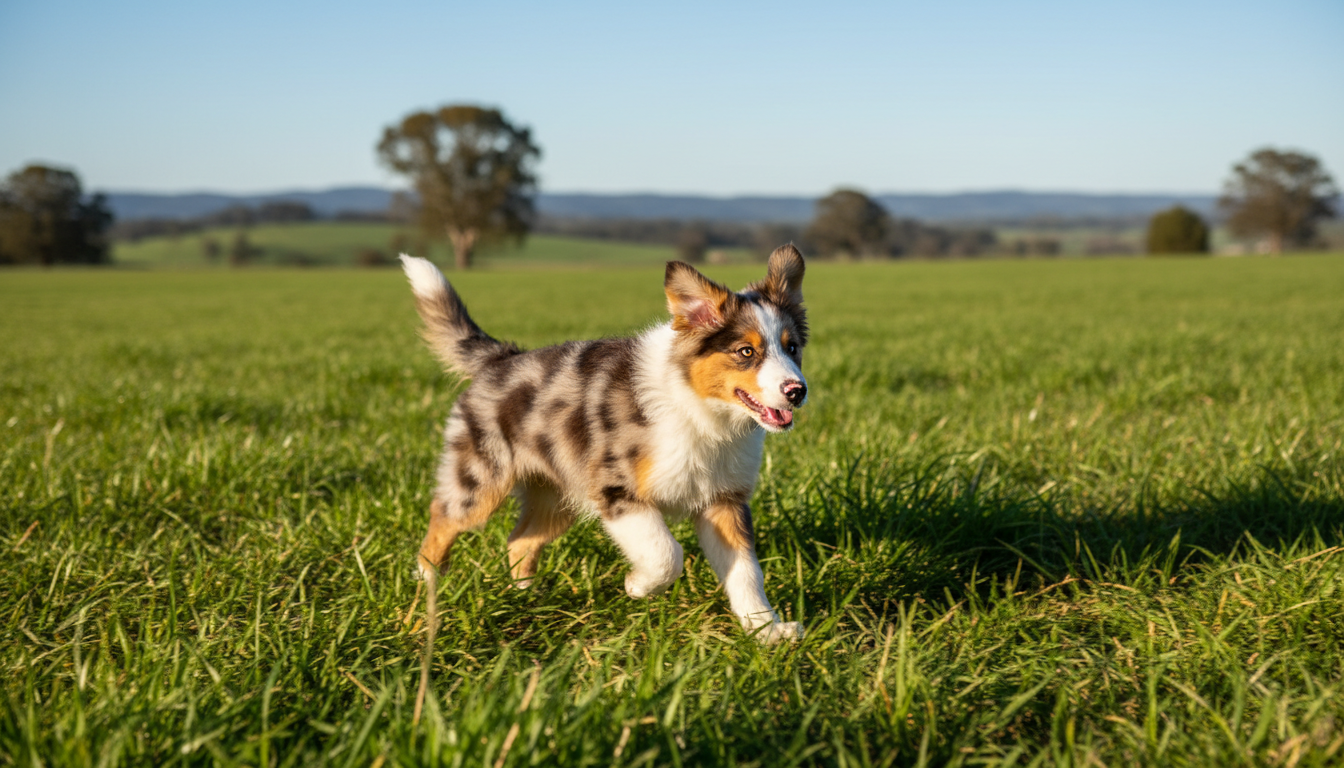
To socialise puppy rural Australia residents should introduce their young dogs to diverse sights, sounds, and livestock starting at eight weeks old. Focus on providing positive, low stress exposures to farm machinery and town environments to build confidence; this ensures the pup becomes a well adjusted companion or working animal. Early training and consistent rewards for calm behavior are essential for success in remote locations.
Raising a puppy on a remote station or a quiet regional block brings unique hurdles that city owners rarely face. Without a local park or puppy preschool nearby, you may worry that your dog will grow up reactive, fearful, or unprepared for life beyond the farm gate. The critical socialization window closes quickly; however, missing these early milestones can lead to significant behavioral challenges during adulthood. This guide explores how to effectively socialize your puppy within a rural context. You will learn practical strategies for safe livestock introductions, techniques to maximize your limited trips into town, and ways to simulate diverse environments right from your own backyard. By using expert methods tailored for the Australian landscape, you can ensure your puppy becomes a confident, well adjusted companion regardless of your postcode.
The Unique Challenges of Puppy Socialisation in Regional Australia
Raising a puppy in the bush presents a distinct set of hurdles that city dwellers rarely encounter. While an urban owner might worry about their dog behaving at a sidewalk cafe, a rural owner faces the isolation of farm life and the vast distances between the homestead and the nearest trainer. To socialise puppy rural Australia residents must look beyond the standard advice of visiting dog parks, which are often non-existent in regional areas. Because professional support is often hours away, many owners now utilise a comprehensive online training course to ensure they hit critical development milestones from their own property.
Socialisation is frequently misunderstood as merely meeting other dogs. In a professional training context, it is more accurately defined as positive exposure to the world. For a rural puppy, the world looks very different than it does for a city pet. While a city dog needs to ignore buses and sirens, a puppy on a station must learn to remain calm around heavy machinery, the unpredictable movement of livestock, and the vast, quiet expanses of the paddock. The goal is to build a resilient animal that views a tractor or a shearing shed as a normal, non-threatening part of life. Without intentional effort, the very isolation that makes rural life peaceful can lead to a puppy that is fearful of anything outside the front gate.
Why the Critical Socialisation Window Matters for Farm and Station Dogs
The window between 8 and 16 weeks of age is widely recognized by experts, including researchers like Jennifer Messer, as the critical socialisation period. During these two months, a puppy’s brain is neurologically primed to accept new sights, sounds, and species as normal. For those looking to socialise puppy rural Australia residents must navigate the tension between this developmental milestone and vaccination protocols. While the risk of parvovirus is a serious concern, keeping a puppy entirely isolated until their final shots at 16 weeks often results in a dog that is functionally illiterate in the social world.
Missing this window on a farm or station can lead to deep-seated fear-based reactivity. A dog that has not been introduced to the chaotic movement of sheep or the scent of cattle by four months old may perceive them as threats or prey later in life, creating a significant safety hazard. Similarly, a puppy that never sees a visitor at the gate during this stage may grow into an adult that is overly defensive or fearful when an agronomist or vet enters the property.
To manage the integration of a new pup, we recommend the 3-3-3 rule as a baseline. This involves allowing three days for the puppy to decompress from the move, three weeks to learn the daily farm routine and paddock boundaries, and three months to feel fully secure in their role. Because physical puppy preschools are often out of reach in the bush, a comprehensive online training course provides a structured way to maximize this 8 to 16-week window. This approach ensures you are ticking off essential exposures safely from your own property, preventing the long-term behavioral issues that stem from early isolation.
Safe Introduction to Livestock and Farm Animals
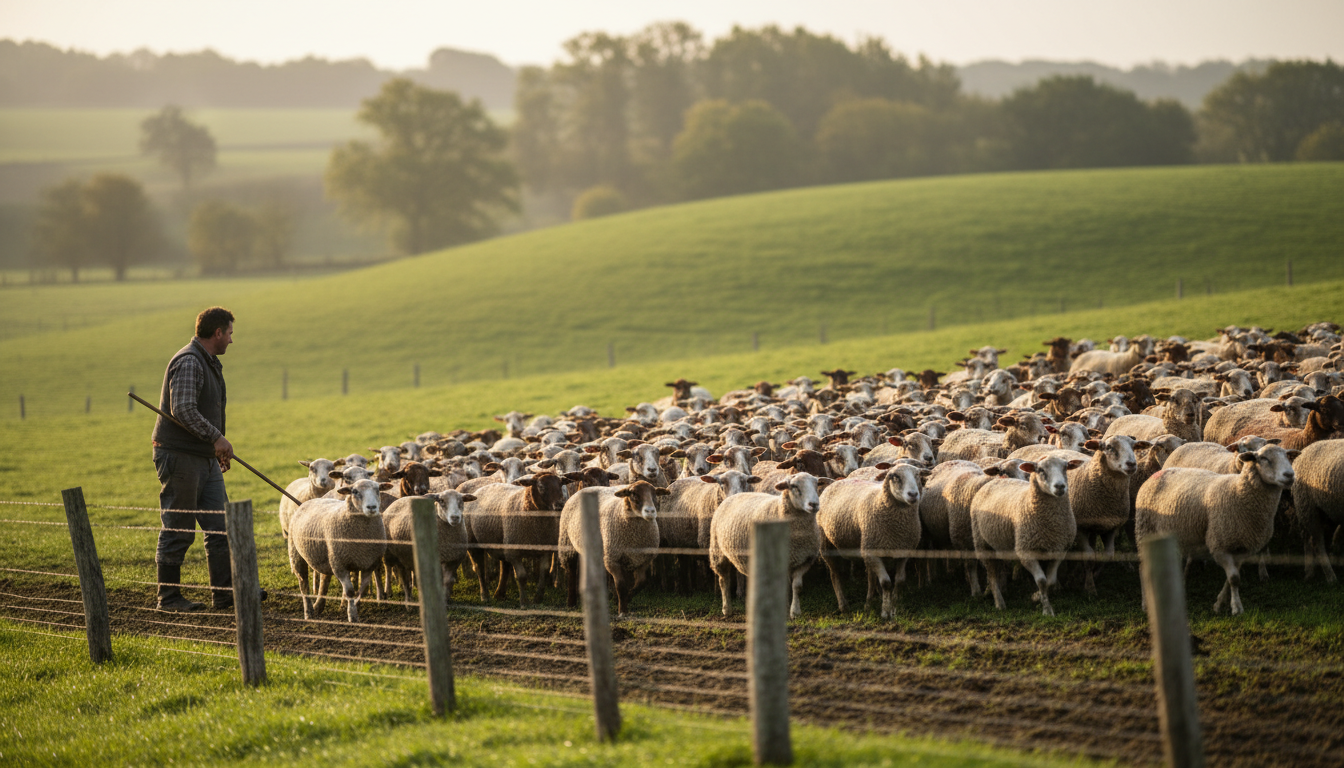
Can puppies be around farm animals? The answer is yes, provided they are managed with strict supervision and physical control. In Australia, owners have a legal responsibility to ensure their dogs do not "worry" livestock. This legal term encompasses chasing, harassing, or attacking sheep, cattle, or poultry. Failing to manage this behavior can result in heavy fines or even the destruction of the dog. For those working to socialise puppy rural Australia residents must understand that the goal is not for the dog to interact or play with livestock, but to coexist with them in a state of calm indifference.
A critical distinction exists between a working dog’s instinct and a companion dog’s manners. While a working breed might have a genetic drive to move stock, a pet puppy needs to learn that livestock are effectively part of the scenery. You are training for a neutral response where the dog acknowledges the animal and then chooses to focus back on you. This foundation is a core component of our comprehensive online training course, which helps owners establish focus even in high-distraction environments.
To ensure a safe and successful introduction, follow this structured approach:
Establish the Threshold: Start at a distance where your puppy can see the livestock but is not yet lunging, barking, or fixating. This distance is their comfort zone.
Utilize a Long Lead: Never introduce a puppy to stock off-leash. A five or ten-metre long lead provides the puppy with a sense of freedom while ensuring you have a physical safety net to prevent a chase.
Reward the Disregard: The moment your puppy looks at a sheep or horse and then looks away or back at you, provide a high-value reward. You are reinforcing the choice to ignore the animal.
Decrease Proximity Slowly: Only move closer if the puppy remains relaxed. If they become over-excited or stiffen their posture, you have moved too fast and should increase the distance again.
When introducing larger animals like horses or cattle, the safety of the puppy is the priority. A single kick can be fatal. By rewarding calm behavior from behind a secure fence line first, you build the impulse control necessary for the puppy to eventually walk through a paddock without incident.
The Big Town Trip: Maximising Limited Exposure
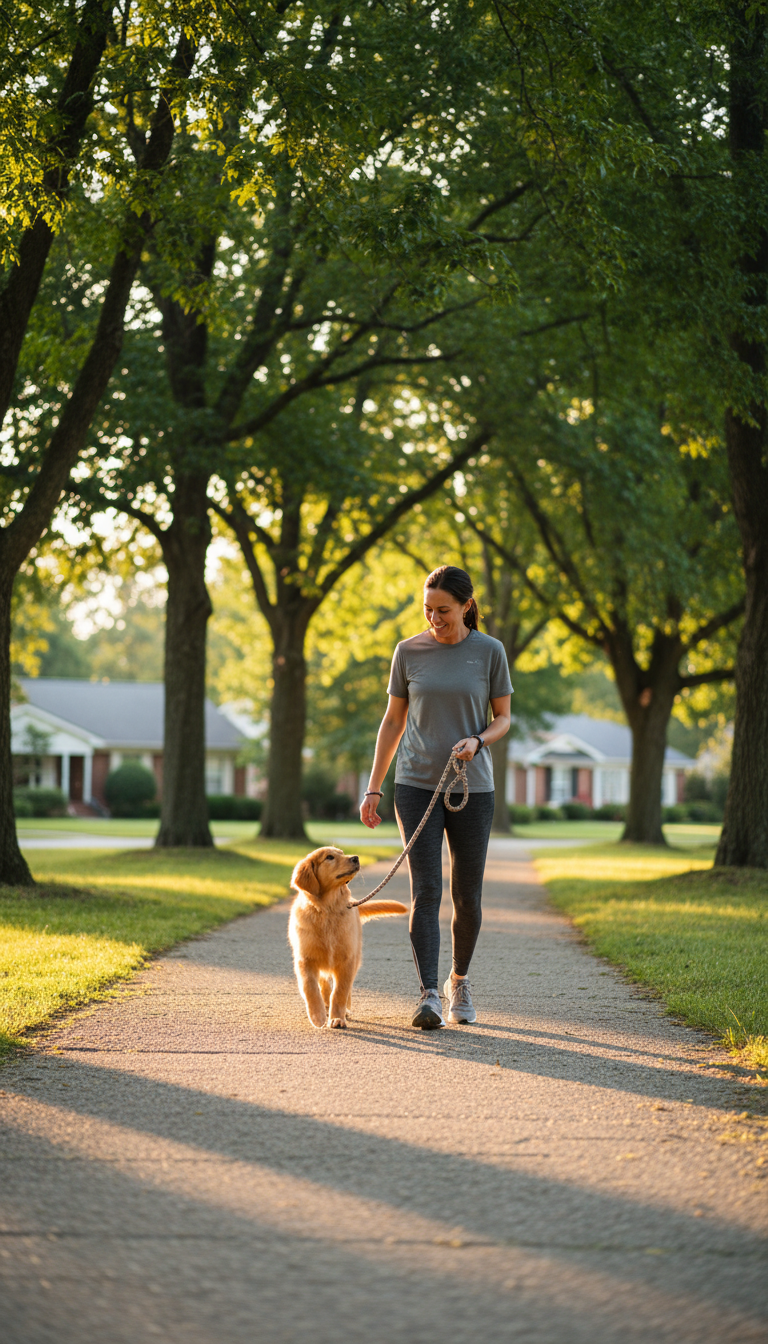
When living on a remote property, a trip to the nearest regional hub is often a weekly or fortnightly event. This creates a high-stakes environment for training, but it is also the perfect opportunity to implement a strategy known as passive socialisation. Rather than forcing your puppy to walk through a busy street on a lead, which can be overwhelming for a young dog used to quiet paddocks, use your vehicle as a safe, elevated observation deck. Parking your ute or SUV in a high-traffic area, such as a Bunnings car park or outside a rural supply store like CRT or Elders, allows the puppy to process the world from a position of security.
During these sessions, the goal is for the puppy to watch the world go by while remaining calm. To effectively socialise puppy rural Australia owners should look for specific local triggers. Encourage your puppy to observe people in high-vis workwear and wide-brimmed hats; these items significantly alter the human silhouette and can be startling to an under-socialised dog. Focus on the sounds of the town as well. The rumble of a large diesel engine or the rattling of a trolley on bitumen are sensory experiences that do not exist at the homestead.
Pair these observations with high-value rewards to build a positive association. If your puppy remains relaxed as a noisy truck passes or a group of shoppers walks by, reward them immediately. This controlled exposure is a vital component of our comprehensive online training course, ensuring that your limited time in town produces a confident, adaptable companion. By treating the back of the ute as a mobile classroom, you turn a necessary errand into a powerful developmental milestone.
At Home Socialisation: Sights, Sounds, and Textures
While the town trip is essential, much of the heavy lifting happens right on your doorstep. Effective socialisation involves intentional exposure to diverse stimuli within the safety of your property, ensuring your puppy remains unfazed by the specific sensory profile of the Australian bush.
Start with the ground under their paws. Farm puppies need to navigate more than just grass and dirt. Introduce them to gravel drives, the slick metal of cattle scales, open metal grates, and thick mud. Research from the Animal Welfare League NSW highlights that experiencing varied surfaces builds physical confidence and proprioception. If a puppy learns to steady itself on a vibrating metal scale or a clanking grate now, it is far less likely to panic during a future vet exam or when walking over different flooring in a public building.
Since regional areas are often naturally quiet, you must also artificially introduce urban noises to prevent sound shyness. Use YouTube or dedicated apps to play recordings of sirens, heavy city traffic, and thunderstorms at a low volume while your puppy eats or plays. Gradually increase the decibels over several days. This desensitisation is vital for rural dogs who may only encounter these sounds during infrequent visits to larger centres.
Station equipment offers a unique training advantage. Introduce your puppy to quad bikes, tractors, and chainsaws while they are stationary, then from a distance while they are idling. A dog that can remain calm beside a thrumming diesel tractor is inherently more resilient. This baseline of composure translates directly to urban life; a puppy that respects a tractor will likely ignore a garbage truck or a delivery van with ease. Following a comprehensive online training course helps you structure these paddock sessions so they remain positive and controlled, ensuring your puppy learns to find safety in your cues rather than reacting to the noise.
How Online Puppy School Bridges the Gap for Remote Owners
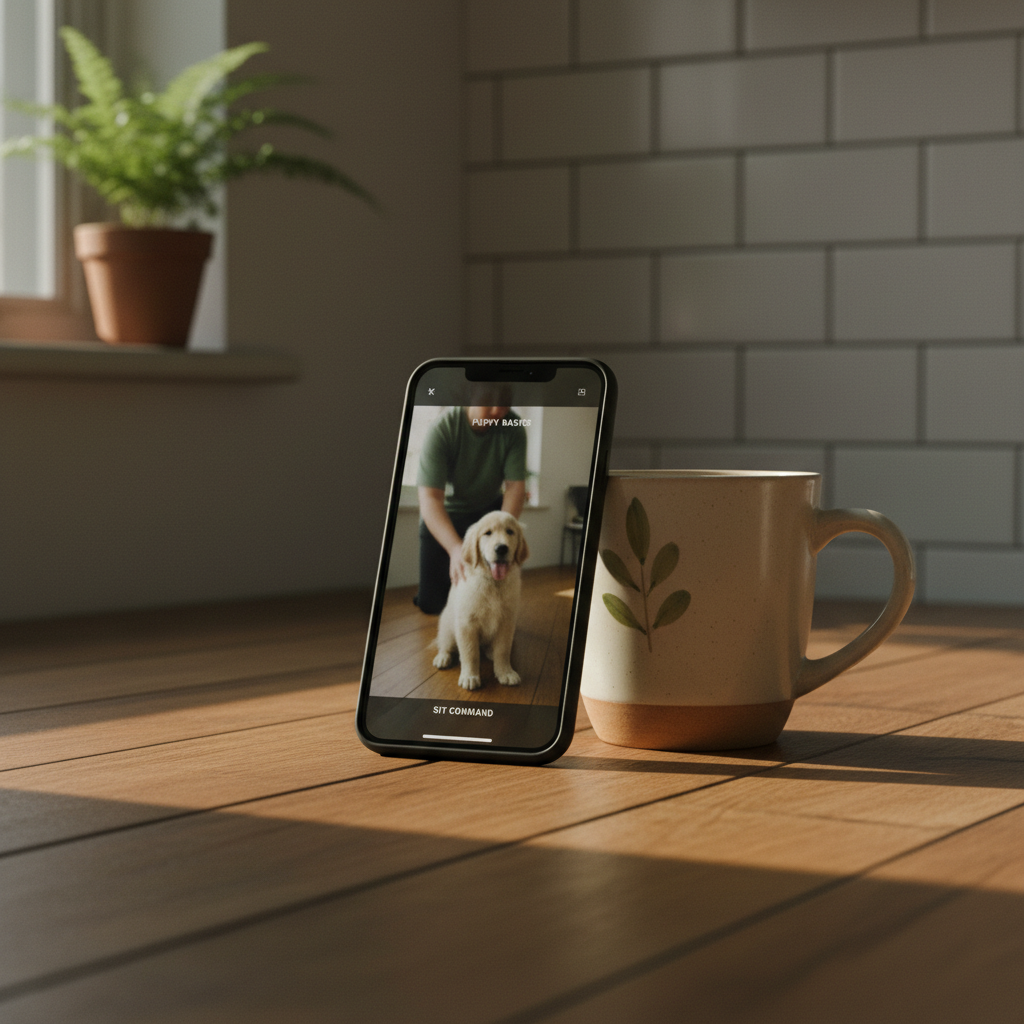
Building on the foundation of at-home exposure requires a methodical approach that many owners find difficult to sustain alone. This is where Online Puppy School becomes an essential tool for those living outside major metropolitan areas. For owners who cannot justify an eight-hour round trip to the nearest city for a forty-five minute class, a comprehensive online training course offers a professional alternative accessible from any paddock or farmhouse.
A structured curriculum removes the guesswork by providing specific protocols for reinforcement and threshold management. Relying on generic advice from social media forums like Reddit or Facebook often leads to conflicting information or dangerous over-simplification. These platforms lack the professional rigour needed to safely manage high-stakes environments like working farms. By contrast, a dedicated program ensures that you follow a sequence designed by experts.
This evidence-based framework allows you to socialise puppy rural Australia residents can trust that every session, even when conducted in a remote shearing shed, aligns with international best practices in canine development. You gain the flexibility to train at your own pace; this ensures your puppy progresses only when they are truly comfortable, which is a luxury rarely afforded in high-pressure group classes. Having a trainer's expertise available via your device bridges the geographic gap, turning professional results into a reality for even the most remote stations.
Handling Wildlife and Bush Safety
Living in the Australian bush means your puppy will inevitably cross paths with native wildlife. To socialise puppy rural Australia owners must prioritize neutrality over interaction. Kangaroos and wallabies have a distinct flight response that can easily trigger a puppy’s prey drive, leading to high-speed chases through thick scrub or toward dangerous wire fencing. Training your pup to remain calm and maintain focus on you when a mob of roos moves across the horizon is essential for their physical safety and the welfare of the wildlife.
Small reptiles like blue-tongue lizards or monitors are often the first wildlife a puppy encounters. These should be treated as non-events rather than playmates. By using a comprehensive online training course, you can master the "leave it" command, which is the most critical tool in your bush safety kit. This command is particularly vital for snake awareness. While you cannot safely expose a puppy to venomous snakes, a reliable "leave it" allows you to interrupt their curiosity before they get within striking distance of a Brown or Tiger snake. If you need help refining these high-stakes commands, contact our team for expert guidance.
Socialising a puppy in a remote area requires a bit of extra planning, but the results of a well-adjusted dog are worth every mile. By prioritising diverse experiences and staying patient, you can build a strong foundation for your pet, regardless of your location. If you want expert help to navigate this journey more effectively, our comprehensive Course offers the guidance you need. It is designed to support owners through every stage of development, ensuring your puppy thrives in any environment.