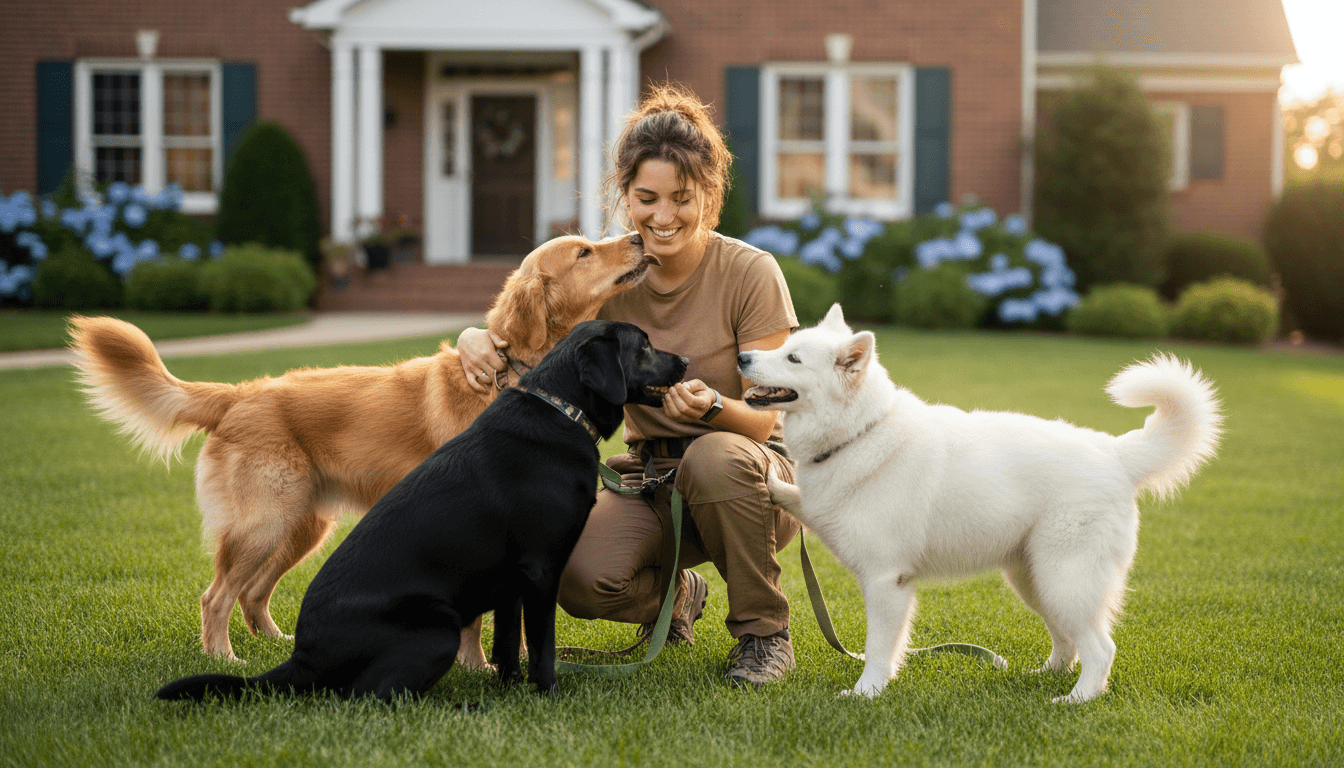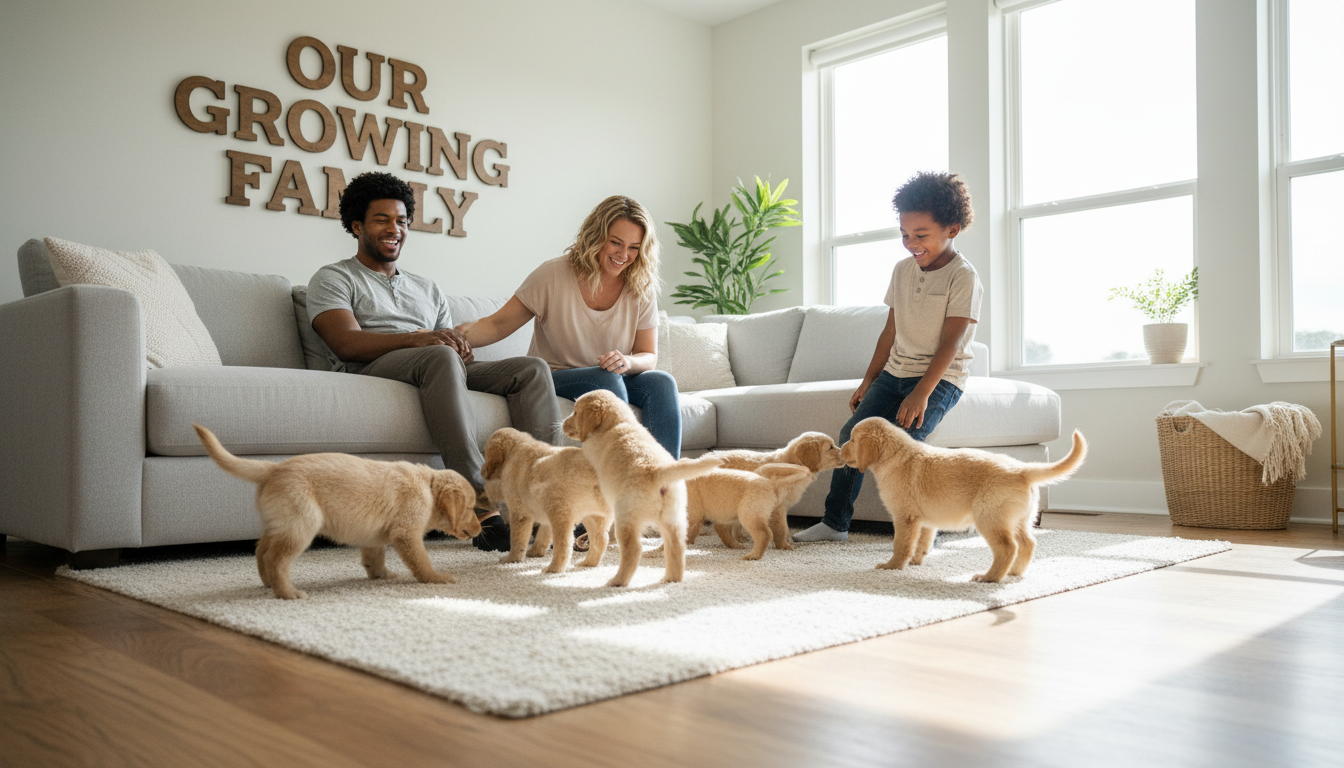
To introduce puppy to visitors without overwhelming them, limit the number of guests and allow the animal to approach others at their own pace. Use calm voices and high-value rewards to create positive associations; meanwhile, ensure the puppy has a quiet space to retreat if they feel stressed. Practicing doorbell routines and basic commands beforehand helps maintain a controlled environment during actual introductions.
Bringing a new puppy home is a joy, but the moment a guest rings the doorbell, that excitement often turns into a frantic scramble of jumping, nipping, or fearful hiding. You want your puppy to be social and confident; however, these early interactions often feel more like a test of patience than a positive learning experience. These initial meetings are foundational to your dog's long-term behavior. If you do not manage the environment correctly, you risk reinforcing bad habits or creating lasting anxiety. This guide provides a professional roadmap for successful introductions. We will cover the essential go slow to go fast methodology, the 3-3-3 rule, and how to effectively coach your human guests before they arrive. You will also learn to read subtle body language cues that indicate your puppy is reaching their limit, ensuring every greeting remains a calm, controlled, and positive learning opportunity.
The Golden Rule of Puppy Introductions: Go Slow to Go Fast
From a puppy’s perspective, every new person is a towering giant entering their safe space. While it is tempting to invite the whole extended family over the moment your new arrival settles in, this often leads to a common training mistake known as flooding. Flooding occurs when a puppy is bombarded with too many new stimuli or people at once, leaving them no choice but to shut down or react out of fear.
The goal is to introduce puppy to visitors without overwhelming them, as these early interactions become permanent blueprints in a developing brain. A single frightening experience with a loud or intrusive guest can create a lifelong association that leads to reactivity or fear-based aggression. By following the 'go slow to go fast' principle, you prioritize quality over quantity. One calm, positive interaction is worth more than ten chaotic ones. Establishing these controlled boundaries early through a comprehensive online training course for puppies ensures your dog learns to view guests as neutral or positive figures rather than threats. Taking the time to manage these first impressions now will prevent the need for intensive behavioral modification later in your puppy's life.
Understanding the 3 3 3 Rule for New Puppies

A common question new owners ask is how long it actually takes for a dog to feel at home. To successfully introduce puppy to visitors without overwhelming them, you must first respect their biological timeline for decompression. Professional trainers utilize the 3-3-3 Rule as a roadmap for this transition, highlighting the specific developmental shifts that occur at three days, three weeks, and three months.
The first three days represent the initial decompression phase. During this window, your puppy is often overwhelmed, scared, and functionally shut down as they process the loss of their mother and littermates. Their nervous system is on high alert, making any extra stimulation potentially traumatic. For this reason, we recommend a strict visitor ban for at least the first 72 hours. This period should be dedicated exclusively to bonding with the immediate family and learning the basic geography of your home.
By the end of the first three weeks, the puppy typically begins to settle into a routine. They start to feel comfortable enough to show their true personality, which is often when typical puppy behaviours emerge because they finally feel safe enough to experiment. While you can begin very controlled introductions now, the puppy is still vulnerable to being startled by loud noises or sudden movements.
True trust is usually built by the three-month mark. At this stage, your puppy has a firm sense of security and a solid bond with you. Following a comprehensive online training course for puppies during these 90 days ensures you are hitting socialisation milestones without bypassing these critical emotional needs. Rushing into a crowded housewarming party before the puppy has reached these milestones can permanently damage their confidence.
Preparing Your Aussie Home for Guests
Establishing a physical environment that prioritises the puppy’s choice is the next step in creating a successful introduction. Before guests arrive, designate a specific ‘safe zone’ using a baby gate or a crate placed in a quiet area of the living room. This barrier is essential because it allows the puppy to observe the newcomers from a distance without the threat of being touched or hovered over. You must ensure the puppy is never cornered in a narrow space like a hallway or under a piece of furniture. When a dog feels their exit is blocked, their natural ‘flight’ instinct is suppressed, which can inadvertently trigger defensive behaviours like growling or snapping.
Given the Australian lifestyle, the backyard often provides a superior environment for a first meeting compared to a cramped indoor entrance. If the weather is pleasant, conducting greetings outdoors reduces the high-pressure atmosphere found in a small foyer. The open space and natural scents help lower a puppy’s arousal levels, making them less likely to react out of fear. Setting up these physical boundaries aligns with the structured approach found in a comprehensive online training course for puppies. By controlling the geography of your home, you give your puppy the agency to approach guests only when they feel truly secure, rather than being forced into an interaction they aren't ready for.
How to Train Your Humans: Giving Instructions to Visitors
Managing the environment is only one piece of the puzzle; you must also manage the behaviour of the people entering it. Most guests, fuelled by excitement, inadvertently act in ways that are confrontational to a canine. To introduce puppy to visitors without overwhelming them, you need to act as your puppy’s advocate by providing guests with a specific set of instructions before they enter. This shift in human behaviour is often the most critical factor in preventing fear-based reactions.
The most effective strategy is the 'ignore the dog' approach. By instructing guests to act as if the puppy is invisible, you remove the social pressure that often triggers anxiety. This allows the puppy to investigate the newcomer at their own pace, sniffing shoes and legs without the threat of being grabbed or cornered. When a puppy chooses to approach on their own terms, they build genuine confidence rather than simply enduring an interaction.
Before your guests arrive, provide them with this specific script:
Please do not make eye contact or speak to the puppy when you first enter.
Keep your voice at a normal, low volume and avoid high-pitched squealing.
If the puppy approaches you, please do not reach over the top of their head to pat them, as this can be intimidating.
Keep your hands to yourself until I let you know the puppy is ready for a greeting.
Reaching over a puppy’s head is a common mistake that causes many dogs to duck or shy away. If the puppy eventually seeks attention, guests should keep their hands low and offer a scratch under the chin or on the chest. Following a comprehensive online training course for puppies will help you master the confidence to advocate for your dog's space, ensuring every human interaction remains a positive building block for their future.
The Step by Step Process for a Calm Greeting
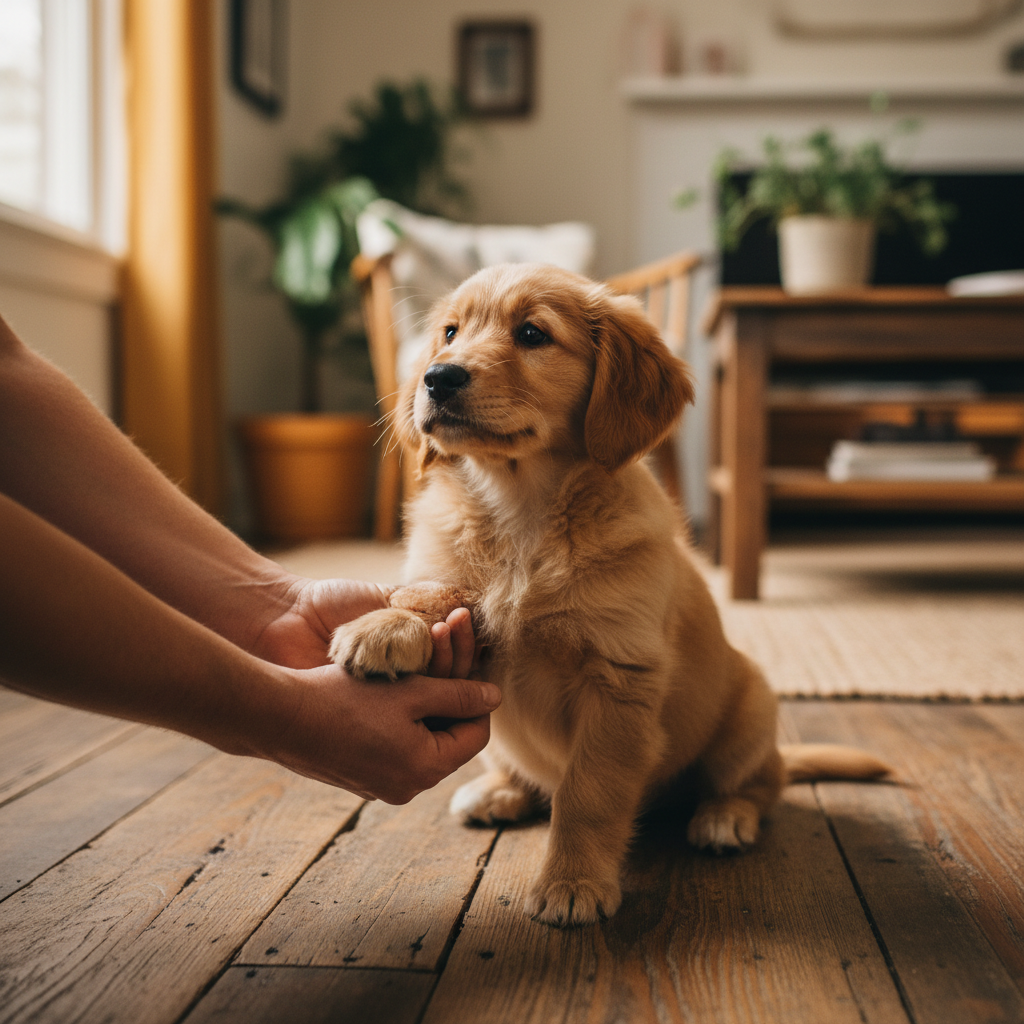
Once your guests understand the ground rules, you can execute a structured entry sequence. Moving through a repeatable process helps your dog understand what is expected of them when the doorbell rings, transforming a high-arousal event into a predictable routine. This chronological approach is a core component of a comprehensive online training course for puppies, as it builds long-term reliability through consistent repetition.
Desensitisation and Prep: Training begins long before a guest knocks. Spend time throughout the week ringing your own doorbell or knocking on the door while the puppy is in another room. When they hear the sound and remain calm, provide a reward. This process decouples the noise from the immediate arrival of a 'giant,' lowering their baseline anxiety when a real visitor eventually arrives.
The Controlled Entry: As the guest arrives, keep your puppy behind a baby gate or on a loose lead. It is vital to keep the lead slack; a tight lead creates physical tension that can quickly escalate into frustration or lunging. If you are using a comprehensive online training course for puppies, you will likely have practiced the 'settle' command, which is perfect for this moment. Position yourself between the puppy and the door to act as a buffer.
Counter-Conditioning and Reward: The goal is to teach the puppy that a guest’s arrival equals delicious treats from you. This is known as counter-conditioning. As the guest enters and follows your 'ignore' instructions, deliver high-value treats like small pieces of boiled chicken or cheese. Focus on rewarding 'four paws on the floor.' If the puppy sits or stands calmly, the treats continue. If they jump, the treats stop and the guest remains still. By rewarding the absence of jumping, you reinforce that calm behaviour is the only way to earn a reward. This method ensures you introduce puppy to visitors without overwhelming their senses, keeping their focus on you rather than the newcomer.
Recognizing Overwhelm: Subtle Body Language Cues
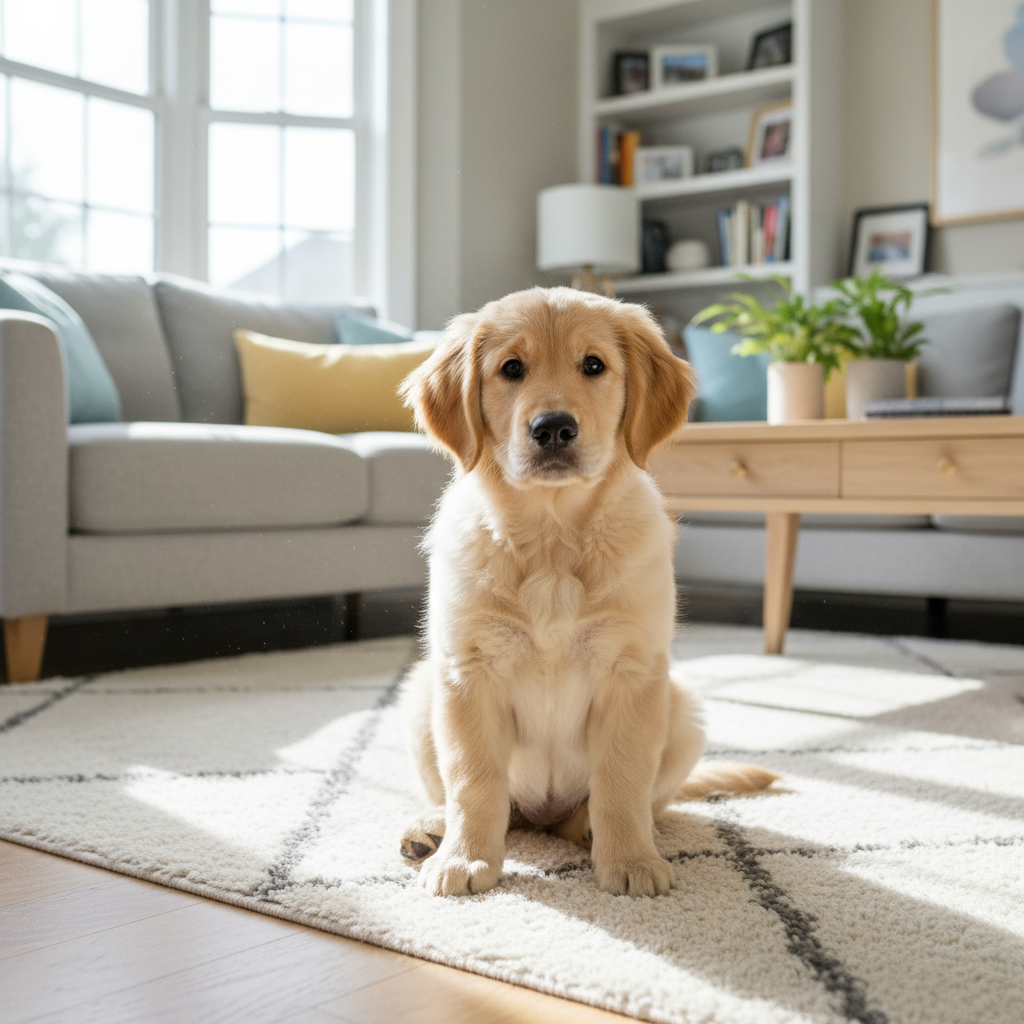
While rewarding calm behavior is effective, you must remain vigilant for the physiological signs that your puppy has reached their sensory threshold. Stress in dogs is often communicated through subtle micro-expressions before it escalates into visible distress. Identifying these cues early is the most effective way to introduce puppy to visitors without overwhelming their developing nervous system.
Key indicators of stress include: - Whale Eye: This occurs when the puppy keeps their head still but follows the guest with their eyes, revealing the whites of the eyes, known as the sclera. - Lip Licking: Quick, repetitive flicks of the tongue that occur when no food is present. - Displacement Yawning: A yawn that happens during the interaction rather than when the puppy is actually tired. - The Head Turn: A deliberate movement to look away from the guest to break eye contact and signal a need for space.
If you observe these behaviors, the introduction is officially over. Do not wait for the puppy to bark, growl, or hide. Instead, calmly lead them to their designated safe zone, such as a crate or a quiet back room with a long-lasting chew. Prioritizing these boundaries is a core lesson in the comprehensive online training course for puppies. Respecting their polite request for space today builds the foundational confidence they need to handle visitors more comfortably in the future.
Managing Children and High Energy Visitors
Children and high-energy guests present a unique challenge because their movements are often erratic and their voices are high-pitched. To successfully introduce puppy to visitors without overwhelming them, you must provide clear, physical instructions to younger guests before the puppy even enters the room. Ask children to sit on the floor 'like a statue' with their hands tucked in their laps. This posture makes the child appear smaller and less threatening, allowing the puppy to approach and sniff at their own pace.
It is essential to explain to children that squealing, waving arms, or running can trigger a puppy’s predatory chase drive or a fear-based flight response. Both reactions lead to nipping or jumping; these behaviours set a poor foundation for future interactions. By keeping human energy low, you teach the puppy that children are calm companions rather than sources of overstimulation. Our comprehensive online training course for puppies offers specific modules for families to ensure these early interactions remain safe and constructive for everyone involved.
The Value of Online Puppy Training for Home Socialization
Traditional puppy preschools and group classes often focus on obedience in high-distraction environments, which can be counterproductive for mastering home-based behaviors. In a hall full of other dogs, a puppy is typically too overstimulated to learn the quiet nuance required for a controlled front-door greeting. Choosing a comprehensive online training course for puppies allows you to work in the specific context where socialization actually occurs: your own home.
Training in the environment where your guests arrive ensures the puppy builds a direct, reliable association between your doorbell and their designated calm spot. The curriculum at Online Puppy School provides the flexibility to practice these routines at a pace that suits your dog’s individual threshold, rather than following a rigid weekly schedule. This targeted approach helps you introduce puppy to visitors without overwhelming them, as you can repeat modules until your puppy is ready for the next level of distraction. By training where the behavior matters most, you create a seamless transition from practice to real-world guest arrivals.
Building a foundation of calm introductions is essential for your puppy's social development. By managing the environment and rewarding quiet behavior, you set your pet up for a lifetime of positive interactions. If you want expert help navigating these early training milestones, you can find a wealth of resources at Online Puppy School - Home. Our structured approach helps you build confidence together, ensuring your pup grows into a well behaved companion for all your future guests.