When deciding what should I bring to puppy school, you must pack a short leash, a flat collar or harness, and plenty of high-value treats to reward good behavior. You should also include a portable water bowl, waste bags, and a familiar mat or chew toy to help your pet remain calm during rest periods.
Arriving at your first puppy training session only to realize you have forgotten the right leash or brought low value treats can turn an exciting milestone into a stressful ordeal. This lack of preparation often leads to a frustrated owner and a distracted puppy, which hinders the learning process from the very first minute. Success in any training environment depends on having the correct tools ready to support your puppy's focus and comfort. In this comprehensive guide, we outline exactly what to pack for in person classes and how to optimize your environment for online puppy school. We will detail the essential gear, the best reward systems for high performance, and the administrative paperwork you must have on hand. Furthermore, we will introduce the 10 10 10 and 7 7 7 guidelines to help you manage your puppy’s energy and expectations effectively.
Essential Gear: What to Pack for In Person Puppy Kindy
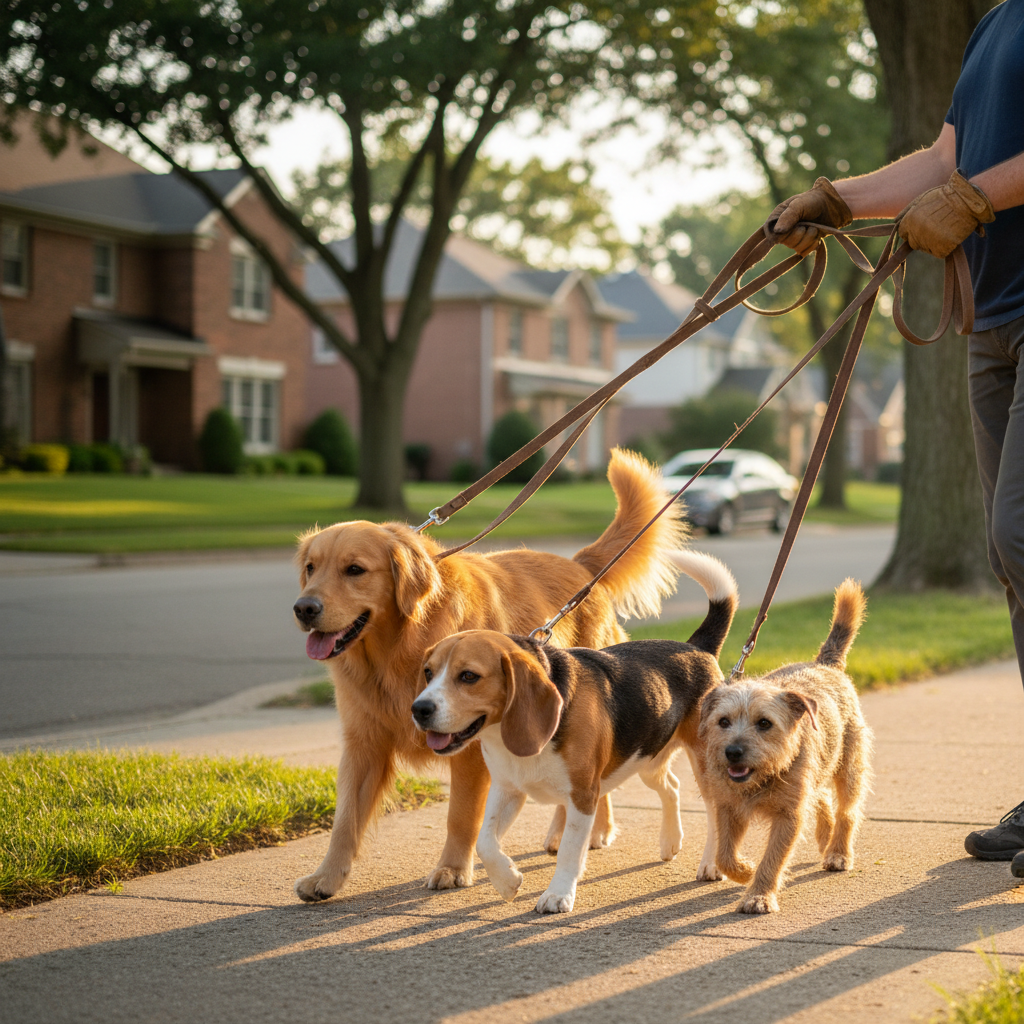
When asking yourself what should I bring to puppy school, the equipment you choose directly impacts your ability to communicate with your dog. For traditional in-person classes in Australia, trainers typically require a standard flat collar made of leather or webbing. It is important to avoid check-chains or 'choke' collars, as these are rarely permitted in modern, positive-reinforcement environments and can cause unnecessary distress to a developing puppy.
Your choice of lead is equally critical. For the confined space of a puppy kindy, a standard fixed lead between 1.2 and 1.8 metres is ideal. This length provides enough room for your puppy to move but keeps them close enough for you to maintain control. While long lines of 5 to 10 metres are excellent for practicing recall in an open park, they are often a tripping hazard in a classroom setting. Similarly, retractable leads are generally discouraged because they maintain constant tension, which can inadvertently teach a puppy to pull.
Regarding body harnesses, preferences vary across Australian training facilities. The RSPCA WA guidelines suggest that while harnesses can be a humane way to manage a dog that pulls, some instructors prefer a flat collar during initial puppy classes to ensure clear lead signals. It is often wise to bring both or check with your specific trainer beforehand.
Beyond the lead and collar, you must bring a 'settle station'. This is typically a comfortable mat or a familiar towel from home. This item gives your puppy a defined boundary and a comfortable place to relax while the instructor is demonstrating a new skill. Unlike an online training course for puppies where you can use your existing living room rug, a portable mat is a vital tool for teaching your puppy that 'on the mat' means it is time to be calm. Finally, always pack a roll of waste bags and a portable water bowl to ensure you can maintain hygiene and keep your puppy hydrated throughout the session.
The Reward System: Choosing the Right Training Treats
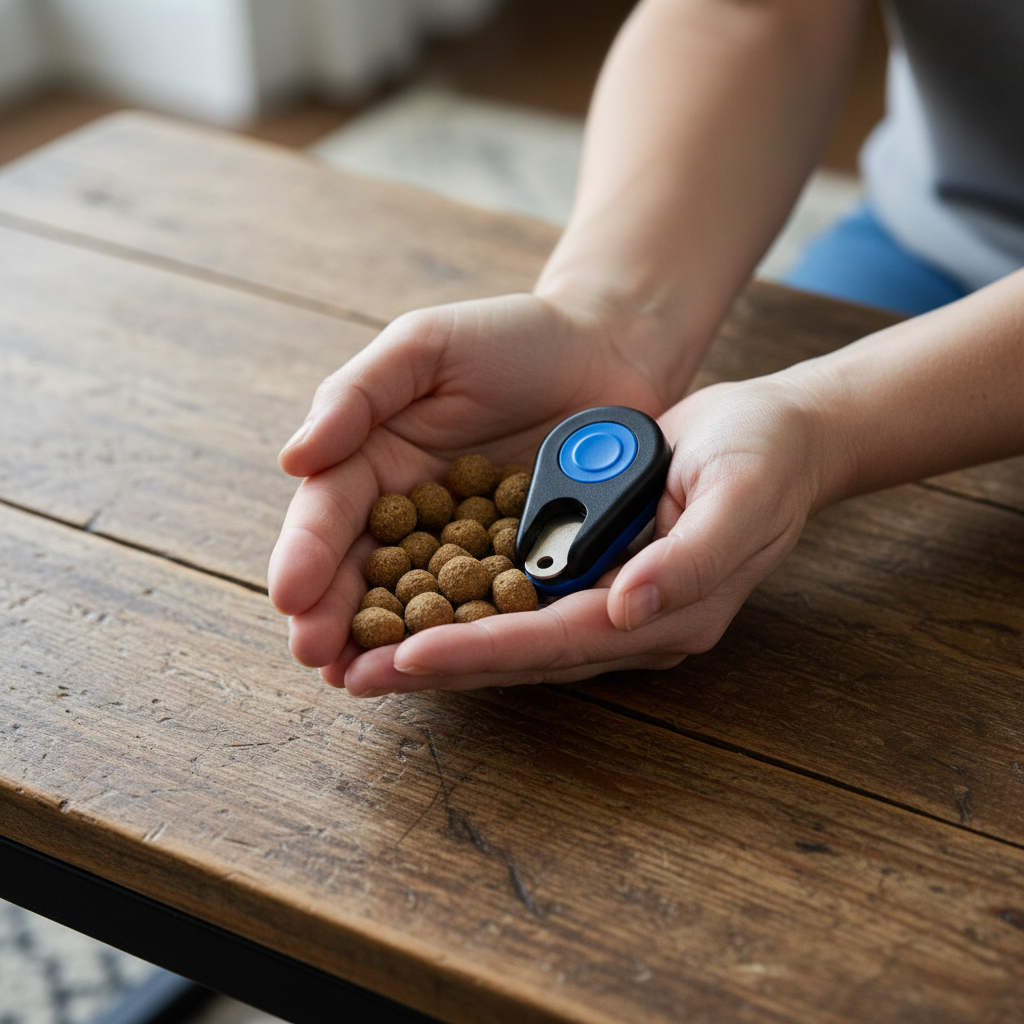
While your gear provides the physical structure for a session, your rewards provide the necessary motivation. Understanding the distinction between low-value and high-value treats is essential when deciding what should I bring to puppy school. Low-value rewards, such as your puppy’s standard dry kibble, are perfectly suitable for quiet practice in your own hallway. However, in the stimulating environment of a training class, you need high-value rewards that can compete with the presence of other dogs and exciting new smells.
Opt for soft, moist treats that can be swallowed almost instantly. Boiled chicken breast, small cubes of cheddar cheese, or slices of a premium Australian puppy roll are excellent choices. These are highly palatable and more aromatic than dry biscuits, making them far more effective for capturing your puppy’s attention during difficult exercises. Regardless of the specific protein you choose, ensure every piece is roughly the size of a garden pea. This small size allows you to deliver frequent repetitions without the puppy becoming full too early or spending several minutes chewing while the instructor is moving on to the next step.
To ensure these rewards remain effective, follow the hungry puppy rule; avoid feeding your puppy a full meal for at least two hours before the class begins. A puppy with a full stomach is often less interested in working for food, which can lead to a lack of focus. This principle is a cornerstone of our online training course for puppies, where we emphasize that a motivated dog is a faster learner. By arriving with a variety of high-value, pea-sized treats and a healthy appetite, you ensure your puppy remains engaged and eager to please throughout the lesson.
Setting Up for Success: What You Need for Online Puppy School
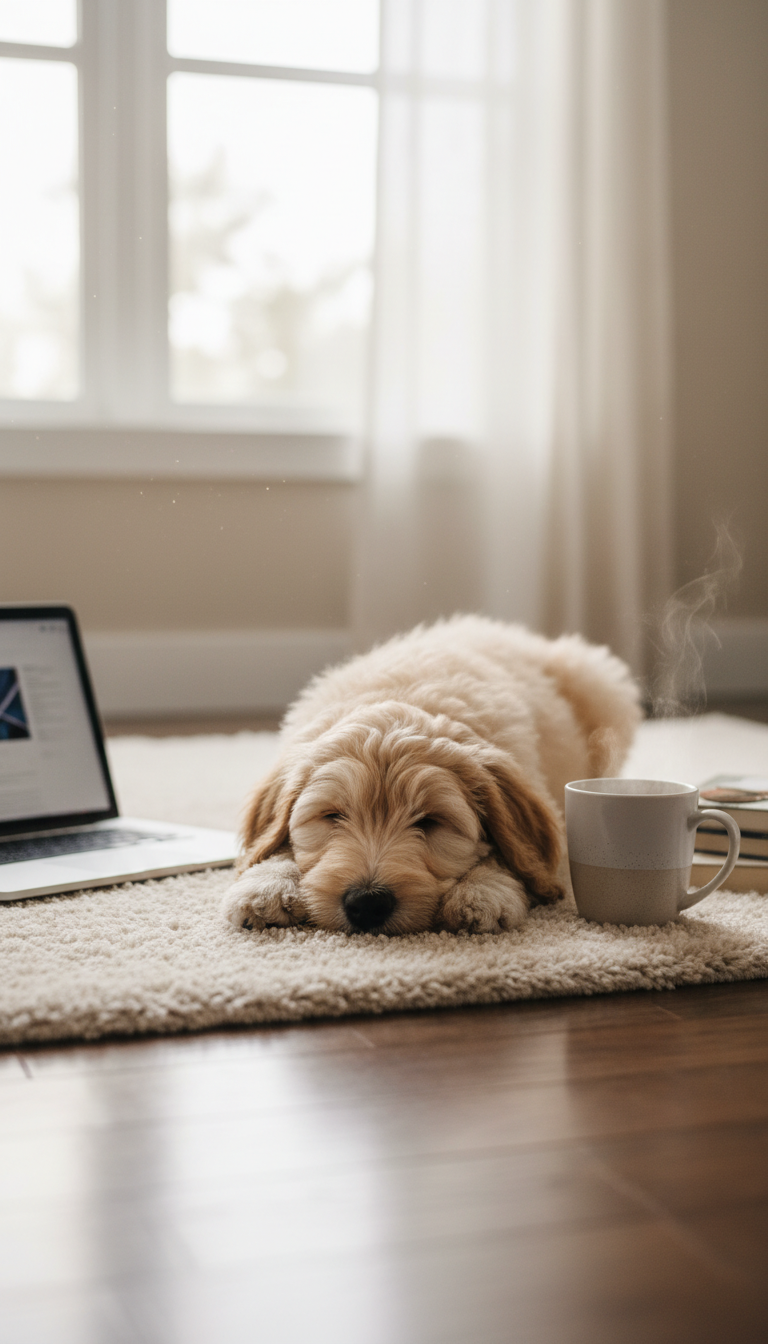
While high-value treats provide the internal motivation, the physical setup of your home provides the necessary structure for learning. Transitioning from a local community hall to a digital classroom changes the answer to what should I bring to puppy school from heavy bags of physical gear to a well-prepared environment. Choosing an online training course for puppies allows you to bypass the stress of travel and the unpredictability of other dogs, but it requires specific logistical preparation to ensure your puppy remains focused on the curriculum rather than household distractions.
Your technical setup is the foundation of your success. A laptop or tablet with a clear camera is the primary tool, as it provides a screen large enough for you to see demonstrations clearly while allowing you to position the device at puppy-eye level. If you prefer using a smartphone, a small tripod is invaluable for maintaining a stable, hands-free angle. Always verify your internet connection in your chosen training area before starting; a weak signal can cause video lag, which disrupts the precise timing of your rewards.
Category | Item | Purpose |
|---|---|---|
Hardware | Laptop, Tablet, or Phone | Viewing instructions and monitoring form |
Accessories | Small Phone Tripod | Maintaining a stable, hands-free camera angle |
Connectivity | Stable Wi-Fi or 5G | Preventing lag during critical demonstrations |
Space | Hallway or Living Room | Creating a safe, low-distraction learning zone |
Location selection is equally important. Select a quiet, low-distraction area where your puppy already feels safe. A hallway is often the perfect choice because the narrow walls provide natural boundaries that help a young puppy stay on task. Alternatively, a cleared section of the living room works well. Ensure any loose toys, shoes, or enticing smells are moved out of reach. By controlling the surroundings, you eliminate the sensory overload often found in crowded physical classes, making your checklist for success more about focus and comfort.
Administrative Essentials: Vaccinations and Paperwork
Before you step through the door of a community hall, you must provide proof of health. In Australia, the standard entry ticket for any physical group class is a current C5 vaccination certificate. This document confirms your puppy is protected against Distemper, Hepatitis, and Parvovirus, along with the two main components of Kennel Cough: Bordetella and Parainfluenza. Physical trainers require this paperwork to mitigate the risk of infectious diseases spreading within the group.
When considering what should I bring to puppy school, these administrative requirements change if you choose a digital path. An online training course for puppies removes the health barriers associated with physical gatherings. Because there is no direct contact with other dogs, you can begin formal education the moment your puppy arrives home at eight weeks of age. This is a significant benefit for puppies who have only received their first C3 vaccination and are still waiting for their final boosters. While physical schools often require completion of the full vaccination course before entry, our online curriculum lets you capitalise on the critical socialisation window without compromising your puppy’s developing immune system.
Managing Downtime: Toys and Settle Tools
Puppy school is mentally taxing; a fifteen-minute session can be as exhausting for a young dog as an hour-long walk. This mental fatigue often leads to overstimulation, which manifests as frantic barking, jumping, or the zoomies during periods when the instructor is talking. When preparing your list of what should I bring to puppy school, include a pacifier tool to help your puppy regulate their energy during downtime.
A long-lasting chew toy or a pre-filled lick mat is highly effective for this purpose. Licking and chewing are naturally soothing behaviors that lower a dog's heart rate and help them transition into a calm state. Common Reddit-sourced advice from experienced owners emphasizes that a puppy with a job is a puppy that isn't disrupting the class.
Tool Type | Recommended Item | Best Use |
|---|---|---|
Interactive | Stuffed rubber chew toy | Sustained chewing during long demonstrations |
Sensory | Silicone lick mat | Quick calming during short instructional breaks |
Comfort | Familiar soft plush toy | Self-soothing for puppies who feel overwhelmed |
Using these tools is equally important when following an online training course for puppies. While training at home, you will need moments to review video tutorials or read through lesson notes without your puppy demanding constant attention. Providing a settle tool during these breaks prevents frustration and ensures that when you are ready to start the next active set, your puppy is refreshed rather than overtired.
Understanding Training Rules: The 10 10 10 and 7 7 7 Guidelines
Beyond physical gear, you must bring a structured mindset to your sessions. Two specific frameworks ensure your puppy stays motivated without becoming overwhelmed. The 10-10-10 rule is a practical method for balancing a puppy’s day. It involves 10 minutes of physical exercise to expel nervous energy, 10 minutes of focused training, and 10 minutes of unstructured play. This 30-minute cycle prevents the mental burnout common in longer, traditional classes. Following an online training course for puppies allows you to implement this rule multiple times a day when your puppy is most receptive, rather than forcing a full hour of focus once a week.
The 7-7-7 rule addresses the socialization aspect of your education. Rather than just meeting other dogs, your puppy needs a diverse kit of experiences. Aim to introduce them to seven different walking surfaces, seven different types of toys, and seven different people in a positive, controlled way. This broad exposure builds confidence and prevents future anxiety. When considering what should I bring to puppy school, remember that these mental rules are just as important as the treats in your pocket. They provide the roadmap for turning a chaotic puppy into a well-adjusted adult dog through consistent, incremental progress.