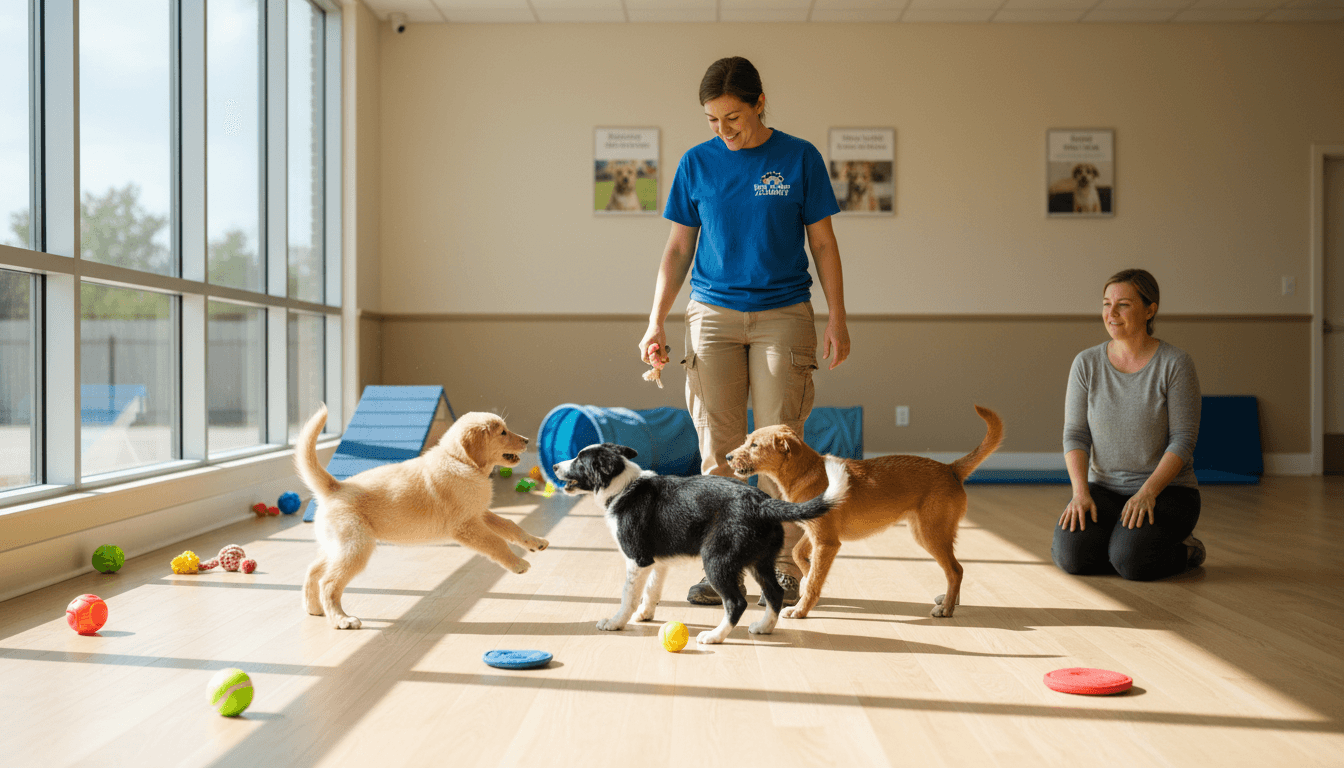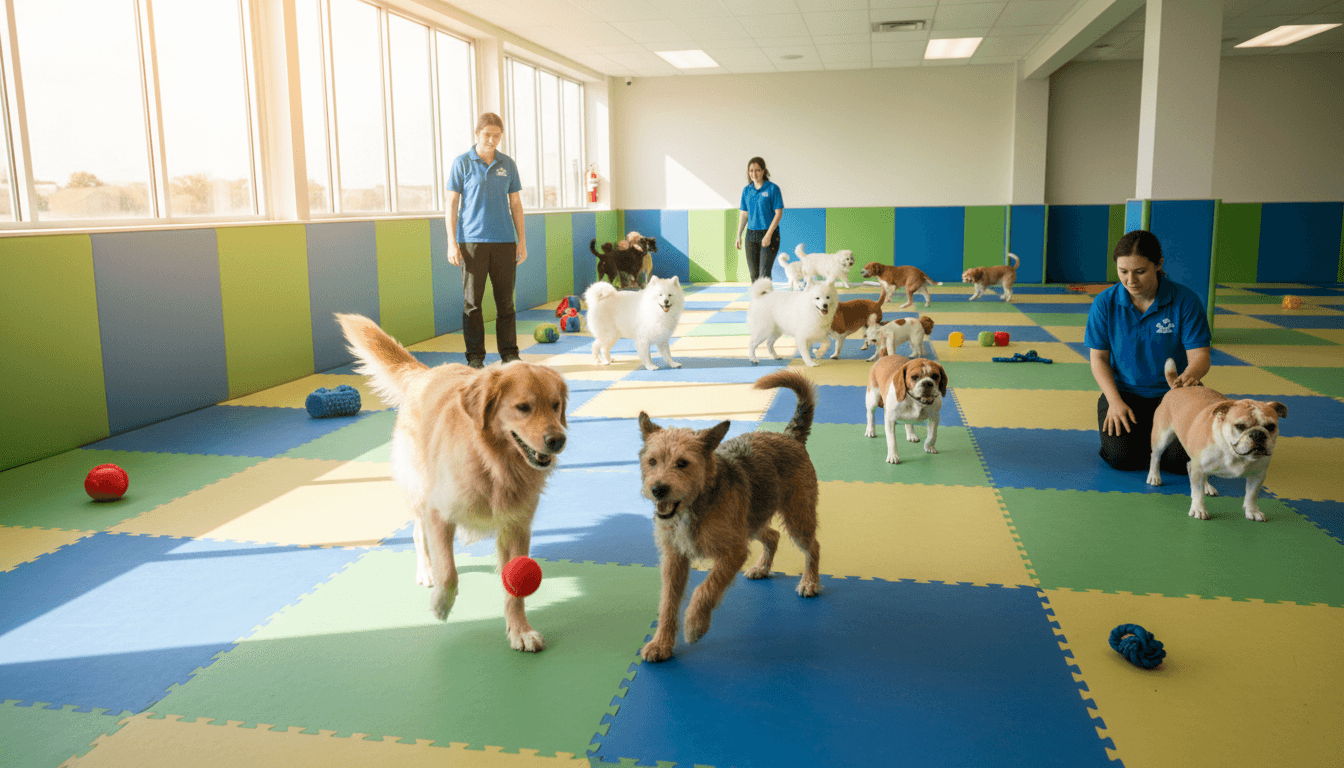
Puppies must typically have at least their first core vaccination at least two weeks prior to starting their first class. Most training facilities require proof of these puppy vaccinations before puppy school Australia to protect against diseases like parvovirus while allowing for early socialization during the 8 to 16 week age window.
Bringing home a new puppy in Australia is an exciting milestone; however, it often presents a complex dilemma for responsible owners. You likely feel the pressure to socialize your pup during their critical development window, yet local vet warnings about parvovirus and strict vaccination requirements for physical classes leave you feeling confined. This tension between medical safety and behavioral health is a significant challenge for many families. If you wait until sixteen weeks for full immunity, you risk missing the peak period for social learning. In this guide, we examine the standard Australian vaccination schedule and the specific requirements for physical puppy schools. We will also explore the balance between medical and behavioral immunity, providing practical strategies to safely train your puppy without health risks. You will discover why online education is the smartest choice for young dogs during this transitional phase.
Understanding the Puppy Vaccination Schedule in Australia
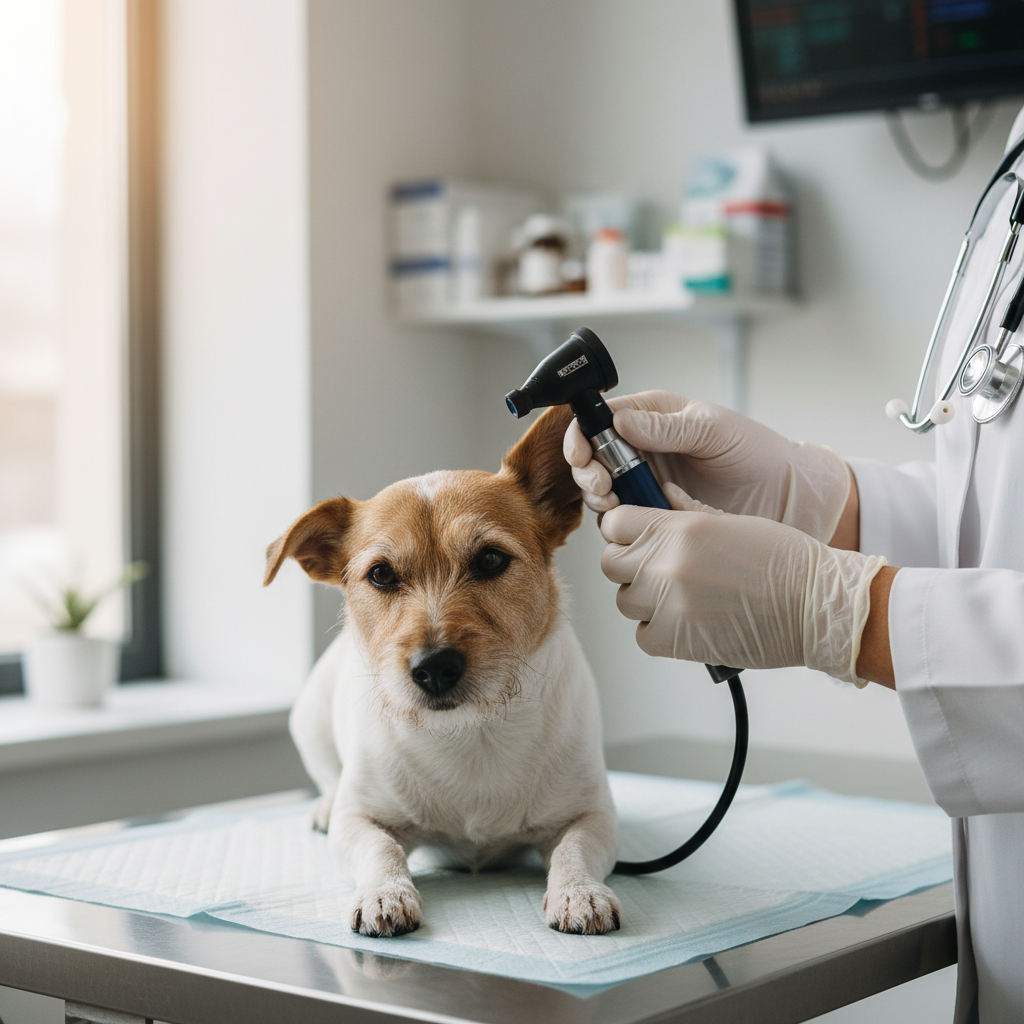
Navigating the initial weeks of puppy ownership involves more than just picking out a crate and a leash; it requires a structured medical timeline to ensure your new companion is protected. In Australia, the standard vaccination protocol is designed to transition a puppy from the temporary immunity provided by their mother’s milk to their own long-term protection. This process involves three distinct rounds of injections.
The first dose typically occurs between 6 and 8 weeks of age, often while the puppy is still with the breeder. The second booster follows at 10 to 12 weeks, and the final booster is administered between 14 to 16 weeks. Understanding the components of these injections is crucial when preparing for puppy training basics. Australian veterinarians categorise these into core and non-core vaccines.
Vaccine Type | Protection Provided | Common Designation |
|---|---|---|
Core (C3) | Distemper, Hepatitis, and Parvovirus | C3 |
Non-Core (C4) | C3 + Parainfluenza | C4 |
Non-Core (C5) | C4 + Bordetella bronchiseptica | C5 |
The C3 vaccine is the absolute minimum requirement, protecting against life-threatening diseases like Parvovirus. Most owners opt for the C5, which adds protection against the pathogens associated with canine cough. While this schedule is standard across NSW, VIC, and QLD, your local vet may suggest additional coverage based on regional risks. For instance, in certain parts of Queensland or inner-city Sydney, they may recommend a Leptospirosis vaccine due to local disease prevalence. Coordinating these puppy vaccinations before puppy school Australia begins ensures your pup stays safe while they start our complete online puppy training course from the safety of home.
Physical Puppy School Vaccination Requirements
Physical training facilities across Australia enforce strict entry requirements to maintain a bio-secure environment for vulnerable young dogs. Most in-person puppy schools mandate that a puppy has received at least their first C3 vaccination before stepping onto the training floor. This protocol is a standard safety measure designed to protect the entire group from highly contagious diseases like parvovirus.
Meeting the requirements for puppy vaccinations before puppy school Australia involves more than just a quick trip to the vet. Most facilities require the first dose to be administered at least 10 to 14 days prior to the commencement of the first class. This waiting period is critical because vaccines do not provide immediate immunity. The puppy’s immune system needs this fortnight to process the vaccine, recognise the pathogens, and build the necessary antibodies to mount an effective defence.
Before your first session, you must provide a formal vaccination certificate issued by your veterinarian. This document serves as a mandatory safety check for the facility. While these rules are necessary for group safety, the mandatory waiting period can delay the start of essential puppy training basics. If you are looking to begin education immediately without the 14-day wait, a complete online puppy training course offers a way to start learning from day one while your puppy’s immunity is still developing.
The Socialisation Dilemma: Medical Immunity vs Behavioral Immunity
The requirement for a waiting period creates a significant challenge for new owners. Veterinary science historically prioritised medical immunity, advising that puppies remain isolated until their final booster at 16 weeks. However, modern behavioural science highlights a competing priority: behavioural immunity. The critical socialisation window in dogs occurs between 3 and 16 weeks of age. During this period, a puppy’s brain is uniquely receptive to new experiences, sounds, and environments.
Missing this window can have lifelong consequences. Research indicates that the risk of a dog being surrendered or euthanised due to behavioural issues like fear, aggression, or anxiety is statistically higher than the risk of contracting a disease in a managed environment. The Australian Veterinary Association (AVA) recognises this balance, supporting the idea that puppies should be exposed to new stimuli and social environments as soon as they have had their first vaccination, provided the environment is controlled and the risk of infection is low.
Waiting until the four month mark to begin puppy training basics is often a mistake because the most formative learning phase has already passed. By the time a puppy is fully vaccinated at 16 weeks, they have already begun to form firm associations with the world around them. If those associations are based on isolation or a lack of variety, correcting fearful behaviours becomes significantly more difficult. Navigating puppy vaccinations before puppy school Australia involves balancing these two health needs; protecting the body from virus while protecting the mind from fear. This conflict is precisely why many owners are now seeking alternatives that allow for education to begin the moment a puppy arrives home.
Why Online Puppy School is the Safest Choice for Young Pups

The conflict between behavioural development and medical safety disappears when you choose a virtual environment. Online Puppy School offers a unique advantage; because your puppy remains in their own home, there is zero risk of contracting parvovirus, canine cough, or other infectious diseases from unknown dogs. You eliminate the physical bio-security concerns that come with shared training floors and communal equipment.
One of the most significant benefits is the ability to start the curriculum the very day you bring your puppy home, which is typically at eight weeks of age. Unlike traditional classes that require a mandatory ten day waiting period after the first round of puppy vaccinations before puppy school Australia facilities allow entry, our complete online puppy training course is accessible immediately. This means you do not lose those critical first fourteen days of the socialisation window while waiting for an immune response to develop.
Starting early allows you to address puppy training basics during the peak learning phase. You can make immediate progress on: - Toilet training routines in your own specific backyard environment. - Managing puppy nipping and mouthing before they become habits. - Establishing a consistent daily schedule and crate routine. - Mastering basic commands in a distraction free space.
By removing the wait time for secondary or tertiary jabs, you ensure that every day of your puppy’s primary developmental period is utilised for positive, safe education.
Safe Ways to Socialise Before Your Puppy is Fully Vaccinated
Building confidence does not require your puppy to be on the ground or interacting physically with every stranger they meet. Socialisation is primarily about neutral observation; teaching your dog that the world is a safe place without needing to investigate every stimulus. While you navigate the timeline of puppy vaccinations before puppy school Australia, you can safely introduce your puppy to the world by carrying them in your arms or a specialised puppy sling. This allows them to experience the smells and sounds of a busy street or a local park without the risk of contracting pathogens in the soil.
Short car trips are another excellent tool. Park your car near a local shopping strip or a school during pick up time. Your puppy can watch the bustle from the safety of the backseat, habituating to umbrellas, bicycles, and loud engines. To structure your efforts, follow the 10-10-10 rule before your puppy reaches sixteen weeks:
10 New People: Introduce them to individuals of different ages, sizes, and outfits, such as people wearing fluorescent safety gear or hats.
10 Safe Surfaces: Let them feel various textures like lino, concrete, carpet, and dry grass in protected areas like your home or a friend’s fenced yard.
10 Controlled Environments: Visit different spots such as a vet clinic waiting room, a car wash, or a friend’s garage.
These low risk exposures focus on puppy training basics like focus and calm. When combined with our complete online puppy training course, you create a comprehensive foundation that prioritises both physical health and mental resilience.
Common Questions About Puppy Vaccinations and Training
Navigating the logistics of new puppy ownership often leads to a series of specific questions regarding safety and timing. These answers provide clarity on how to manage your pup's transition into the wider world while maintaining the protocol for puppy vaccinations before puppy school Australia.
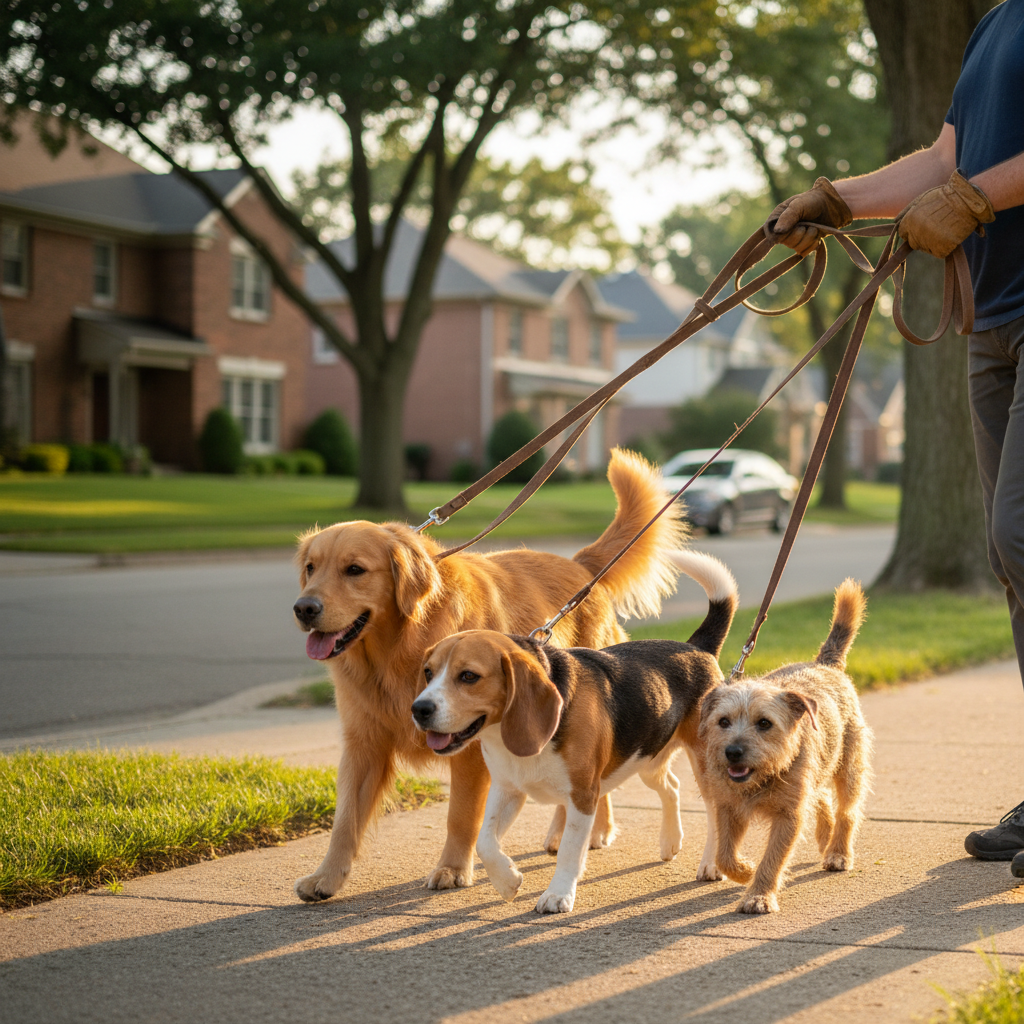
Can I walk my puppy if he is not fully vaccinated? You should not walk your puppy on public footpaths, nature strips, or in parks until they are fully protected. These areas can harbour parvovirus for long periods. Instead, keep physical exercise limited to your own private, secured property where you know no unvaccinated dogs have been. If you want to expose them to the outside world for socialisation, carry them in your arms or a puppy sling. You can still practice puppy training basics like leash pressure and following commands inside your house or backyard during this time.
How long after the third vaccination can a puppy go out in Australia? While the final jab is usually administered at 14 to 16 weeks, immunity is not instant. Most Australian veterinarians recommend waiting 7 to 14 days after the final booster before allowing your puppy to roam in high-traffic public areas. This buffer ensures the immune system has fully responded to the vaccine. Because our complete online puppy training course is conducted entirely at home, you can have a well-behaved dog ready for the park the moment that waiting period ends.
Can an unvaccinated puppy be with a vaccinated dog? Yes, provided the adult dog is healthy, fully up to date with their own vaccinations, and not currently showing any signs of illness. These interactions should occur in a controlled, private environment like your home or their backyard. Meeting a stable, vaccinated adult dog is an excellent way to teach your puppy appropriate social cues safely.
Is the 10-10-10 rule safe to follow before full vaccination? The 10-10-10 rule is a socialisation framework suggesting a puppy meet 10 types of people, 10 surfaces, and 10 environments by 16 weeks. This is perfectly safe to follow before the final vaccination as long as you use common sense. You can achieve the 10 environments by carrying your pup or watching from the car; and the 10 surfaces by using different textures within your own home, such as tiles, gravel, or bubble wrap.