Puppies typically require four to five weekly classes to cover essential socialization and basic training during their critical development period. When determining how many puppy school classes does my puppy need, most Australian programs recommend a structure of one hour per week to ensure steady progress without overstimulating the pup. This timeframe provides sufficient opportunity for owners to practice new skills at home while the puppy builds confidence around other dogs.
Most new owners enroll in a standard four week course with the hope of finishing with a perfectly behaved companion, only to find themselves still struggling with jumping, nipping, and poor recall once the final certificate is handed out. This gap between expectation and reality occurs because puppy development does not follow a strict monthly calendar. Relying on a single short term program often leaves critical gaps in your dog's social and behavioral foundation. In this guide, we break down the typical Australian puppy school format and explain why the five session trap often leads to unfinished training. You will discover the actual number of classes required for a well adjusted adult dog, the ideal frequency of daily sessions, and how shifting to an online model offers the long term support necessary to navigate every developmental milestone with confidence.
Understanding the Standard Australian Puppy School Format
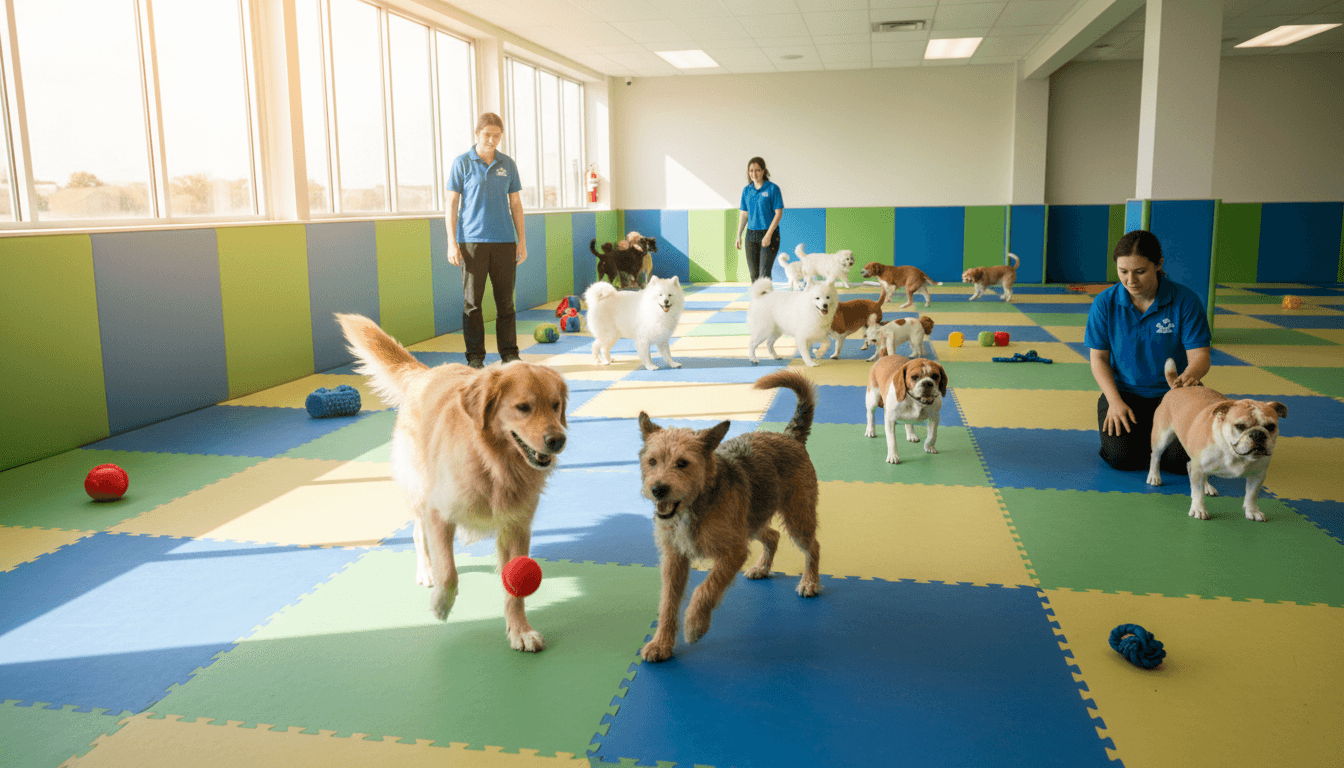
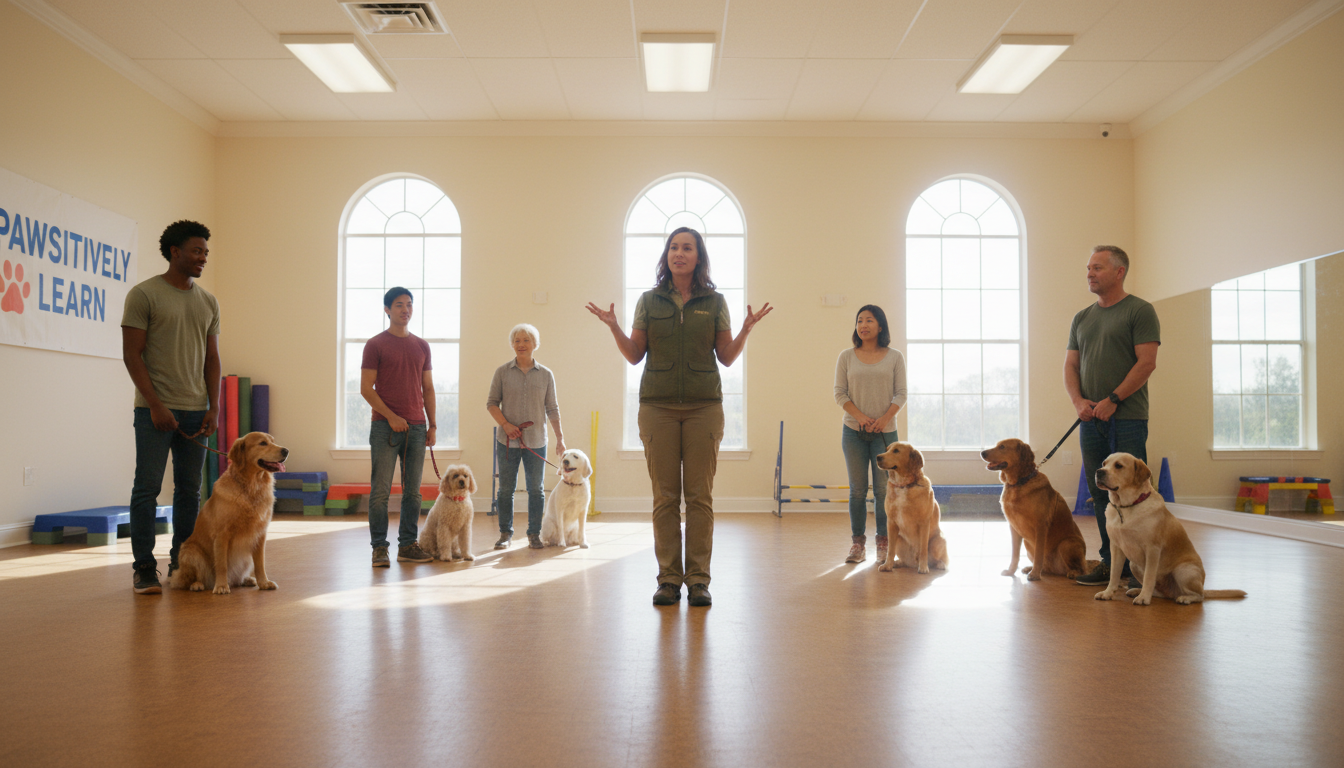
In Australia, the traditional model for early canine education is relatively uniform across the major providers. Most in-person programs, including those hosted by large pet supply retailers, national veterinary networks, and prominent animal welfare organizations, follow a standard 4 to 5 week format. These classes typically meet for one hour each week, often in a small group setting within a store or clinic.
While this structure is the established industry benchmark, it is helpful to quantify the actual time spent learning. A five-week course translates to exactly five hours of professional instruction. When owners ask how many puppy school classes does my puppy need, they are often looking for a complete behavioral transformation, yet the standard model provides less than a full day's worth of guided training. This short window is designed primarily to introduce Puppy Training Basics, covering foundational cues and early socialization.
Because the total contact time is so condensed, many owners reach the final session only to realize their puppy is nowhere near finished. These few hours are merely a starting point, yet the graduation certificate can create a false sense of completion. Transitioning from this brief introduction to a comprehensive online training course for puppies allows for the continued development and repetition that a 5-hour curriculum simply cannot provide.
The 4 Week Puppy School Trap: Why 5 Sessions is Rarely Enough

The common industry standard of a 4 or 5 week course often creates a psychological completion bias for new owners. While it feels like a milestone to receive a graduation certificate, research into canine development suggests these short-term programs can lull owners into a false sense of security. If you are wondering how many puppy school classes does my puppy need, the answer is rarely found in a single month-long block. Thinking a puppy is finished after four sessions is comparable to expecting a child to be fully educated after finishing preschool.
Puppies undergo rapid developmental shifts between 8 and 20 weeks of age, followed by a challenging adolescent phase that can last up to two years. A standard brick-and-mortar course typically only captures one specific developmental window. For example, a puppy enrolled at 8 weeks is in a vastly different neurological state by 12 weeks. If the curriculum ends just as they enter a new phase of environmental awareness or fear, the owner is left without professional guidance during some of the most critical behavioral turning points.
There is also a significant distinction between attending a class and completing training. Physical attendance for one hour a week provides exposure, but it does not equate to the mastery of Puppy Training Basics. True behavioral reliability requires consistent reinforcement across multiple environments and developmental stages. One course covers the absolute fundamentals; however, it is a foundation rather than a final destination.
Owners who rely solely on a brief introductory course often find that problem behaviors emerge just weeks after graduation because the training did not evolve with the dog. Transitioning to a comprehensive online training course for puppies ensures that the education continues beyond the initial four-hour window, providing the necessary support as the puppy matures into an adult dog.
How Many Daily Training Sessions Does a Puppy Actually Need?
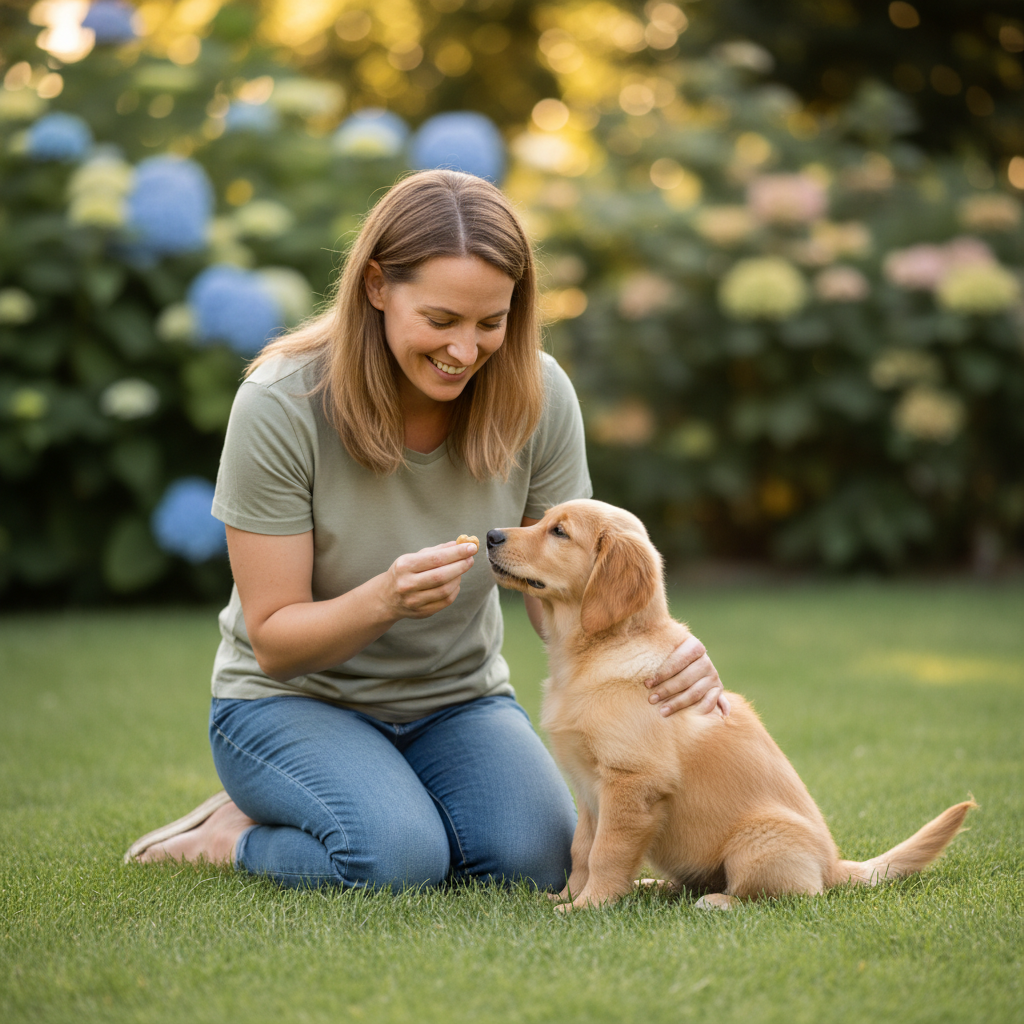
While weekly attendance at a local clinic or pet store provides a structured environment, real progress happens in your own living room. If you are questioning how many puppy school classes does my puppy need, the focus should shift from the weekly schedule to a daily habit. A single hour of instruction once a week is insufficient for a developing brain to retain complex behaviors or build muscle memory.
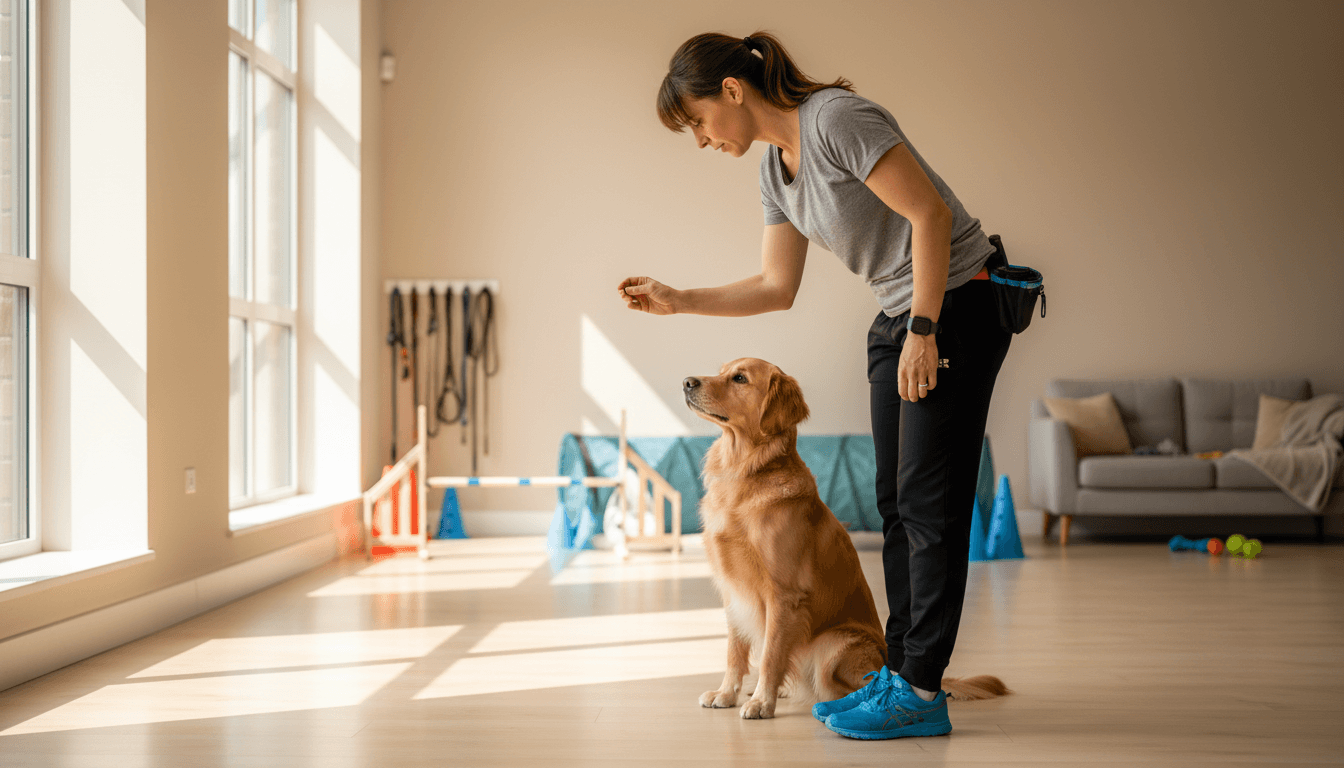
Puppies have incredibly short attention spans, much like toddlers. Attempting a thirty minute training session at home will likely lead to frustration for both the owner and the dog. Instead, aim for two to three mini sessions every single day. These should ideally last between five and ten minutes. This micro session approach keeps the puppy engaged and ensures they finish each interaction on a high note, which is crucial for building a positive association with learning.
Consistency at home is far more important than the total number of professional classes attended. These daily windows of time should focus on Puppy Training Basics such as sit, stay, and crate training within a low distraction environment. By integrating these brief periods into your routine, you reinforce the curriculum of a comprehensive online training course for puppies far more effectively than a once a week visit could ever achieve. The objective is to make training a seamless part of your daily interaction, turning every mealtime or play break into a valuable learning opportunity.
The Total Number of Classes for a Well-Adjusted Adult Dog
When determining how many puppy school classes does my puppy need, it is helpful to view the journey through developmental stages rather than a fixed number of hours. In the Australian training landscape, education is typically structured into three distinct tiers. The first is Puppy Kindy, generally for those aged 8 to 15 weeks, which focuses on Puppy Training Basics like early socialization and trust building. The second level, often called Preschool or Junior School, caters to dogs 15 weeks and older. This stage is critical because it addresses the onset of adolescence, where puppies begin to test boundaries and their attention shifts toward the environment.
For a truly well-adjusted adult dog, structured learning should extend into advanced obedience and social refinement. Instead of viewing a single five week block as the goal, owners should prepare for a duration of commitment lasting 6 to 12 months. This timeframe allows you to navigate the secondary fear periods and the rebellious phase that most dogs experience around the six month mark. By following a comprehensive online training course for puppies, you can maintain this structure beyond the initial weeks, ensuring that training remains a priority throughout the dog’s first year of life. This consistent engagement is what ultimately produces a reliable, calm companion in public settings.
Why Online Puppy School Offers More Flexibility Than In-Person Classes
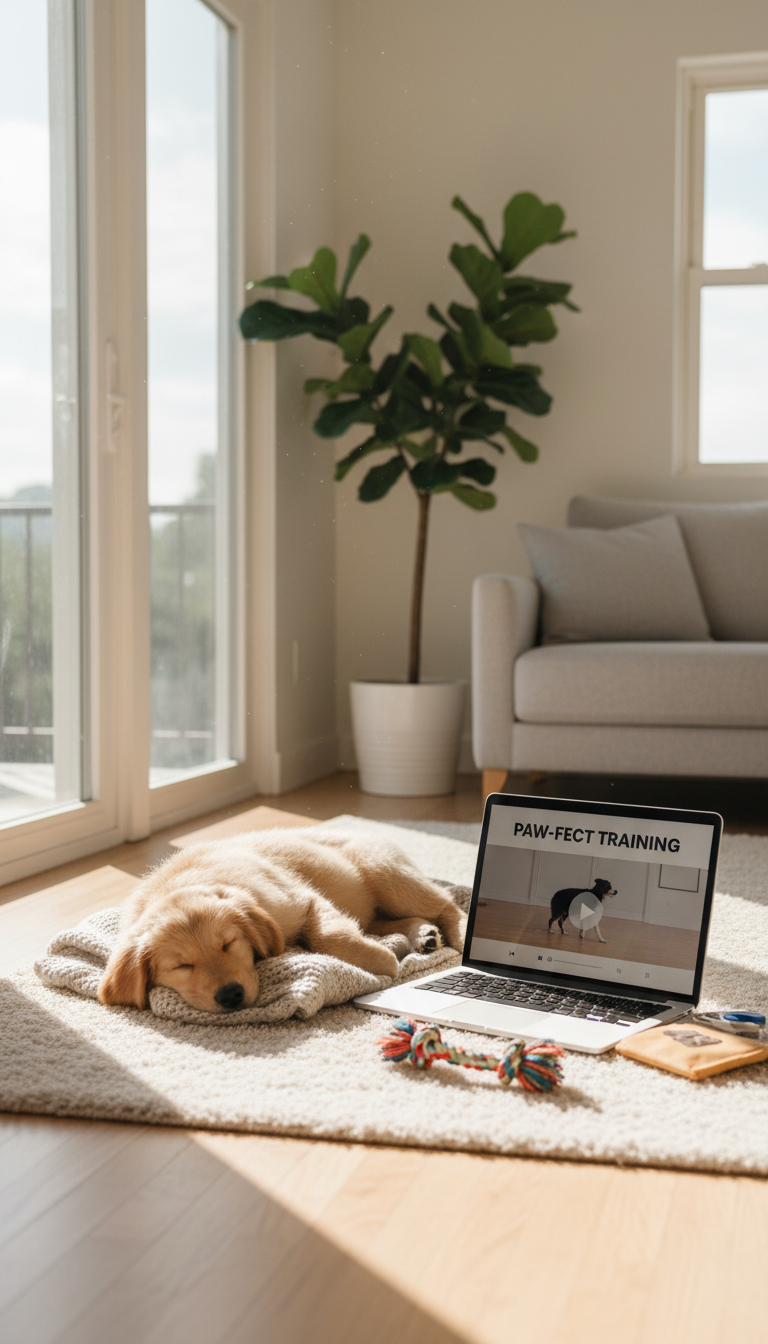
Traditional in-person courses operate on a rigid timeline. If your puppy struggles with a specific skill in week three, the class still moves on to week four. This linear progression often leaves owners feeling behind. When considering how many puppy school classes does my puppy need, the answer is not a fixed number of weeks but rather the achievement of specific milestones. A comprehensive online training course for puppies removes the pressure of the calendar; it allows you to repeat a lesson as many times as necessary until your puppy truly understands the command.
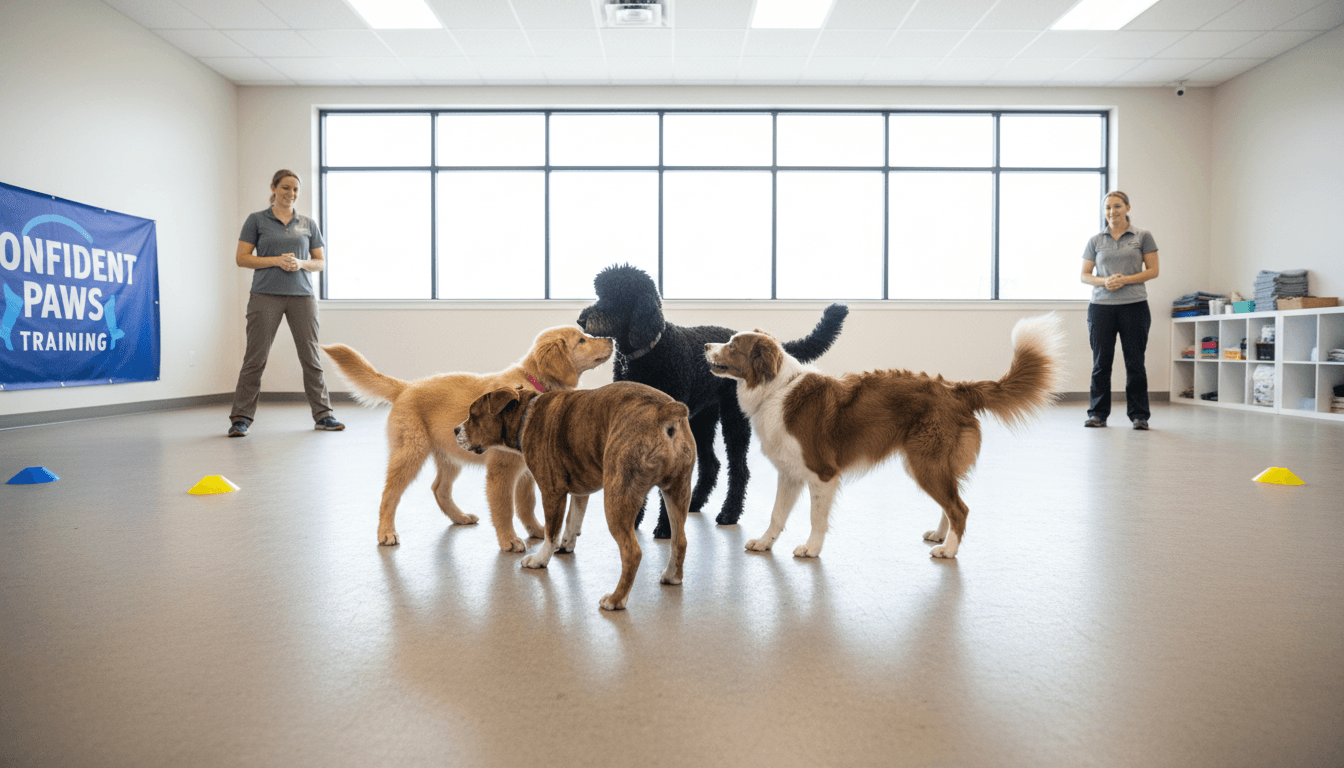
The physical environment also plays a critical role in early learning. Many brick and mortar puppy schools can become a free for all of barking and over excitement, making it nearly impossible for a young dog to focus. Training at home allows your puppy to learn Puppy Training Basics in their own sanctuary, where distractions are controlled and stress levels are low. Once a behavior is solidified in the lounge room, you can then slowly introduce more challenging environments on your own terms.
Feature | In-Person Puppy School | Online Puppy School |
|---|---|---|
Duration | 4 to 5 weeks fixed | Unlimited access |
Learning Pace | Set by the instructor | Set by the puppy's progress |
Environment | High-distraction clinic or store | Comfortable home setting |
Repetition | Once per week | On-demand, 24/7 |
By choosing an online model, you avoid the logistical stress of commuting to a specific location at a set time. This flexibility ensures that training happens when your puppy is most receptive, not just because it is a specific hour on a Tuesday. This approach transforms training from a weekly chore into a sustainable lifestyle that adapts to your puppy's individual development.
Puppy School Age Limits and Timing in Australia
In Australia, most local programs require puppies to be between 8 and 15 weeks of age to enroll. Physical attendance usually necessitates at least the first round of vaccinations to ensure the safety of all participants. This often creates a narrow window for entry; if you miss the enrollment date for a specific local intake, you may find your puppy is suddenly too old for the beginner curriculum by the time the next round begins.
The biological urgency of this period is a critical factor for every owner to consider. The primary socialization window for a dog typically closes around 16 weeks of age. During this time, the puppy’s brain is uniquely receptive to new experiences and environmental conditioning. Waiting until the full vaccination schedule is complete at 16 weeks to start in-person classes means missing the most influential phase of development. When asking how many puppy school classes does my puppy need, the answer is often dictated by the calendar rather than the curriculum.
A comprehensive online training course for puppies bridges this gap effectively. It allows you to begin Puppy Training Basics the day your puppy arrives home, regardless of their vaccination status. By training in a controlled, indoor environment, you can foster positive habits and build a strong bond during those critical early weeks without risking exposure to environmental pathogens often found in public training spaces.
Common Puppy Training FAQs
Training is a lifelong commitment, though foundational Puppy Training Basics typically take 4 to 6 months to solidify. In Australia, physical classes usually cost between $99 and $150 for a short 5 week block. When determining how many puppy school classes does my puppy need, consider that most owners require several blocks to reach a reliable standard of obedience. A comprehensive online training course for puppies provides far greater value, offering unlimited review of materials for a single fee. You can certainly train your puppy yourself; the key is following a professional curriculum that ensures you are hitting developmental milestones correctly without the distraction of a crowded classroom.