Yes, puppy school is a worthwhile investment because it provides the essential foundation for socialization and basic obedience training. These classes help new owners understand canine behavior while ensuring puppies grow into confident, well-behaved companions. When asking is puppy school worth it for first time puppy owners, the consensus is that it is the most effective way to prevent future behavioral issues and build a lifelong bond.
Bringing home your first puppy is often a whirlwind of sharp teeth, sleepless nights, and the constant hum of anxiety about whether you are doing enough. For many new owners in Australia, the initial excitement is quickly replaced by the practical reality of managing a tiny predator in your living room. Deciding whether to invest in puppy school is one of the first major hurdles you will face. This choice matters because the foundation you lay during these early weeks dictates your dog's behavior for the next decade. In this guide, we will evaluate the true value of formal training, dissect the common pitfalls of poor socialization, and compare Australian pricing. We will also explore why modern online programs are becoming the preferred choice for owners seeking expert results without the chaos of a traditional classroom.
The Reality of Being a First Time Puppy Owner in Australia
The journey usually begins with a scenic drive to a breeder in the hinterlands or an excited visit to a local rescue centre. You bring home a bundle of fur, perfectly curated accessories in hand, only to hit a wall of exhaustion forty-eight hours later. Between the midnight toilet runs and the sharp nipping at your heels, the initial magic often fades into a haze of sleep deprivation. Many Australian owners quickly reach a point where they look at their new companion and realise they simply do not know how to bridge the communication gap.
This brings us to the pressing question: is puppy school worth it for first time puppy owners? Most experienced owners and veterinary professionals will answer with a resounding yes, but the reality is more nuanced. While a complete online puppy training course or a traditional local class can provide the structure you need, not all programs are created equal. The investment of your time and money only pays dividends if the training addresses the root of canine behaviour rather than just teaching a "sit" for a treat. Ultimately, the value you receive depends heavily on whether the school prioritises long term life skills or merely offers a chaotic hour of supervised play.
Top 5 Benefits of Puppy Training for New Owners

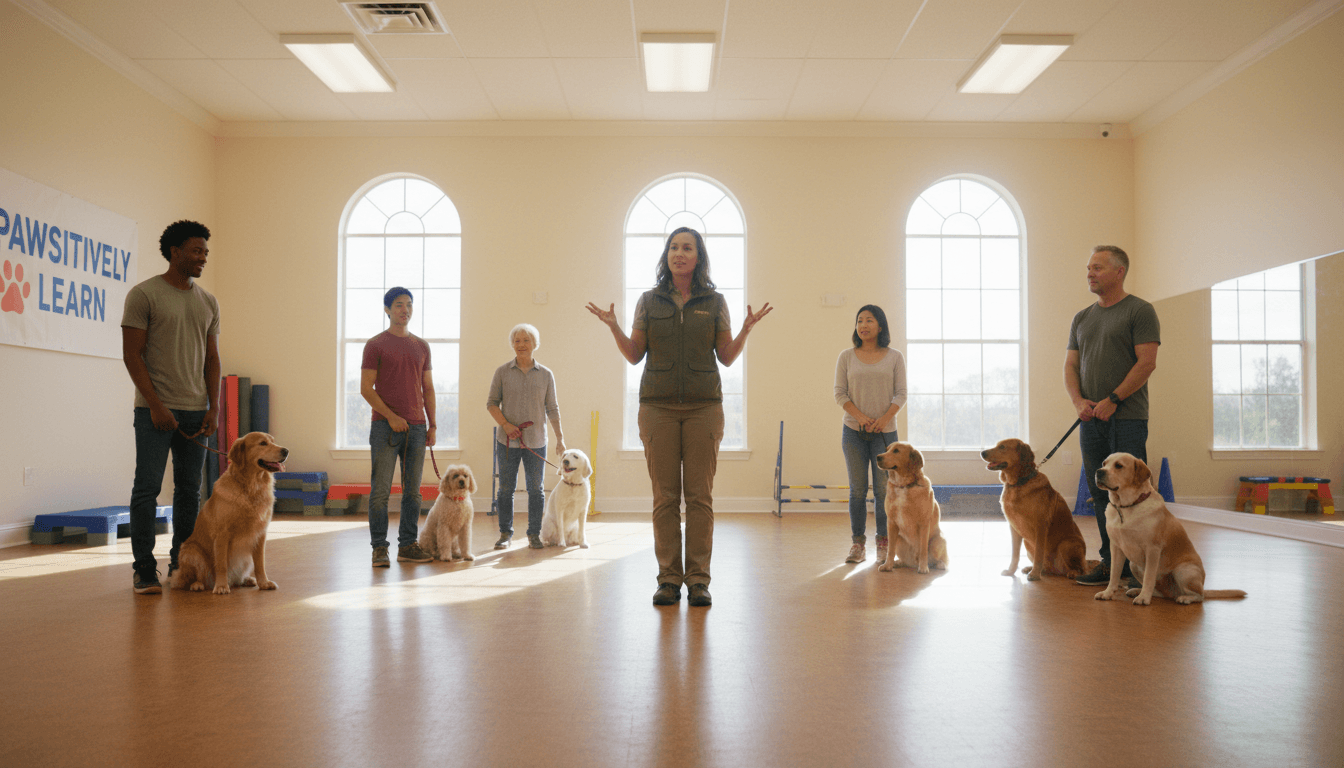
Understanding these foundations is the first step toward transforming that initial overwhelm into a structured path forward. While many people view these classes as a way to fix the dog, the most successful programs shift the focus toward the owner. A complete online puppy training course acts as a manual for the human; providing you with the tools to navigate the five core pillars of early canine development.
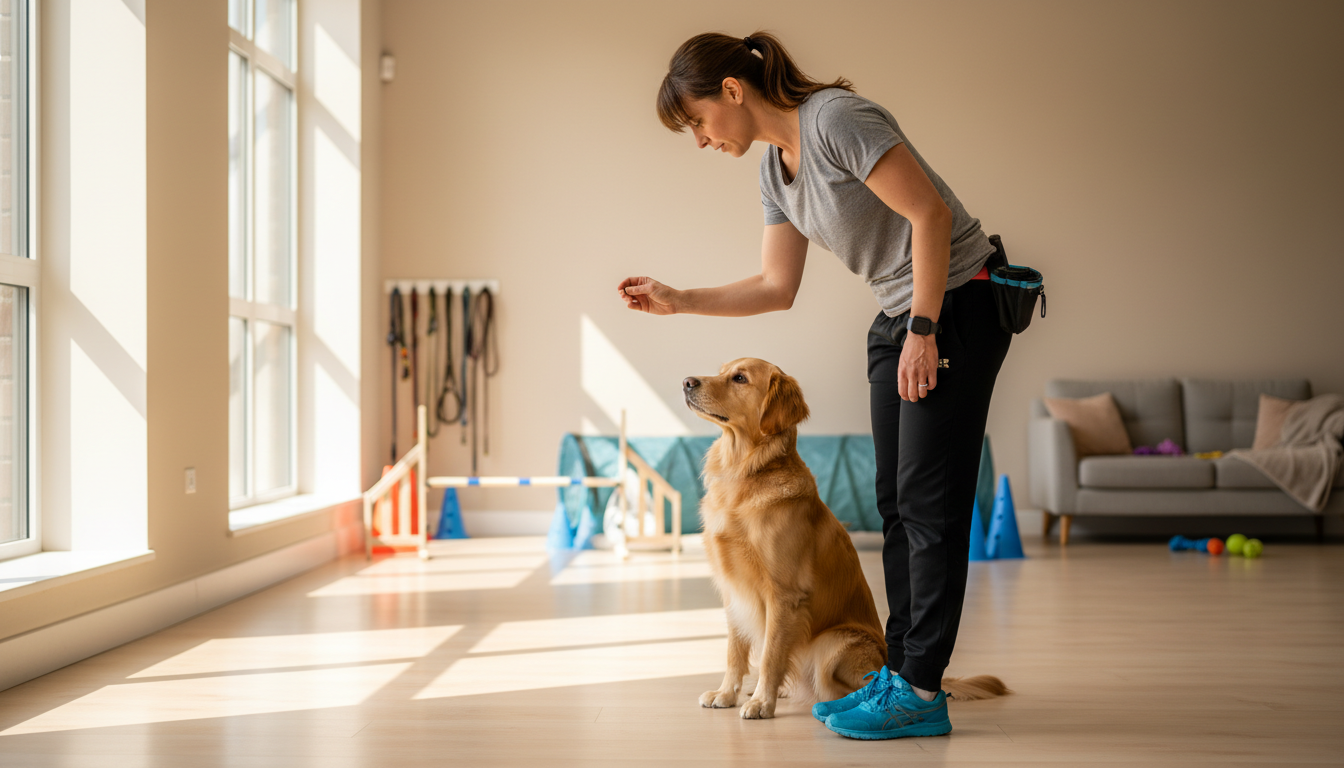
Owner Education: This is the most significant differentiator of a high-quality program. You are learning a new language. By understanding how your puppy perceives the world, you can move away from frustration and toward effective communication. You learn to reward the right behaviours at the right time; which is the secret to a well-adjusted adult dog.
Socialisation During the Critical Development Period: The window between 8 and 16 weeks is known as the critical development period. During this time, your puppy’s brain is a sponge for new experiences. Proper training provides a framework for controlled exposure to new sounds, surfaces, and environments; ensuring they grow into a confident dog rather than one that reacts with fear to the unknown.
Basic Obedience for the Australian Lifestyle: Training should be practical for your specific environment. This includes mastering the art of walking nicely on a lead through local parks or sitting calmly at a cafe. A flexible puppy school curriculum allows you to practice these skills in real-world settings rather than just a sterile classroom.
Proactive Problem Prevention: It is far easier to prevent a bad habit than it is to break one. Training addresses common Australian household challenges, such as backyard digging or excessive barking at the postie, before they become ingrained behaviours.
Bonding and Trust: Clear communication builds trust. When your puppy understands what you want, their anxiety levels drop and your relationship strengthens. This bond is what eventually turns a high-energy puppy into a reliable companion.
By focusing on these areas early, you are not just teaching a dog to "sit" for a treat; you are setting the foundation for a lifetime of mutual respect and ease. Is puppy school worth it for first time puppy owners? When the focus is on these five pillars, the answer is a clear yes.
The Socialization Trap: Why Some Puppy Schools Aren't Worth It
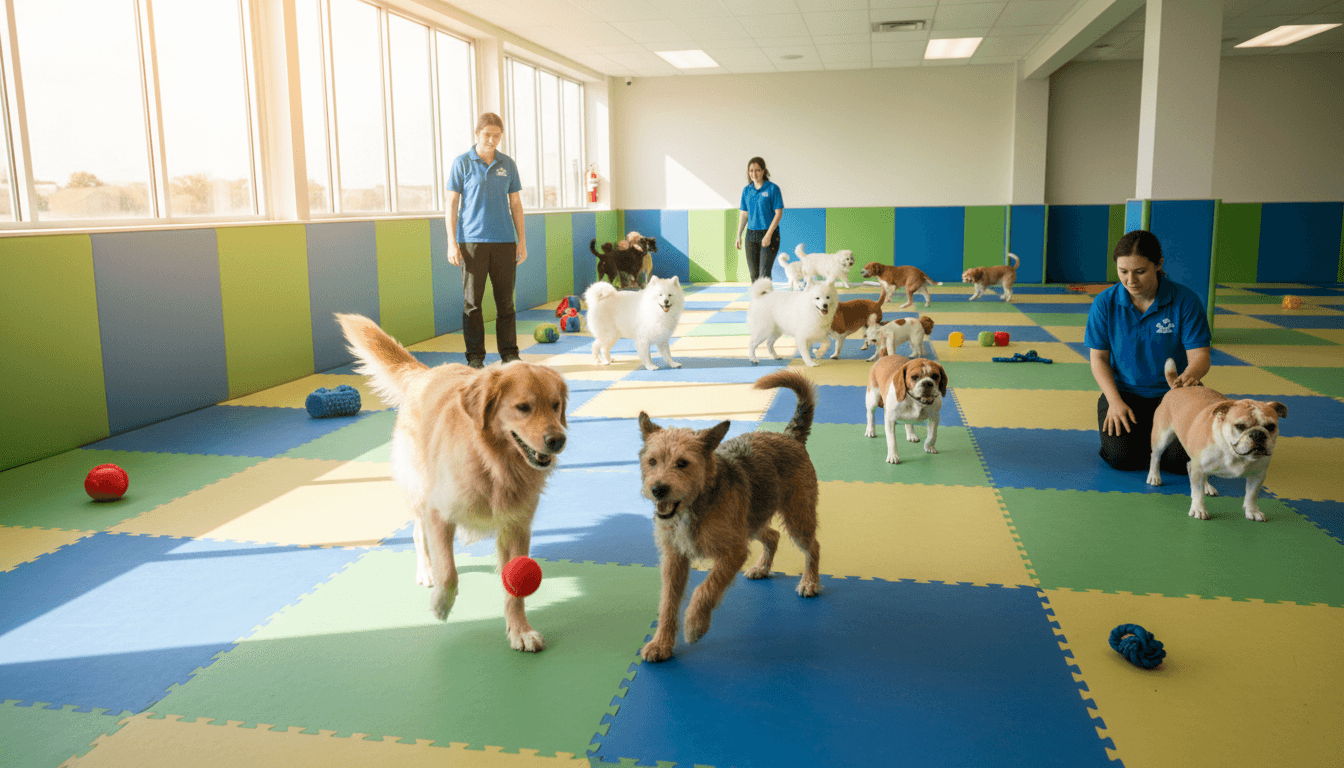
While the benefits of early training are clear, many new owners fall into what experts call the socialization trap. There is a persistent myth that puppy school should be a playground where puppies wrestle for an hour. In reality, these mosh pit style sessions can be deeply damaging. When a group of puppies is left to work it out in a free for all play session, the shy puppy often leaves traumatized, while the more assertive puppy learns that bullying is an effective way to interact. This is where the question of is puppy school worth it for first time puppy owners becomes critical; a poorly managed class can create exactly the fear and reactivity you were trying to prevent.
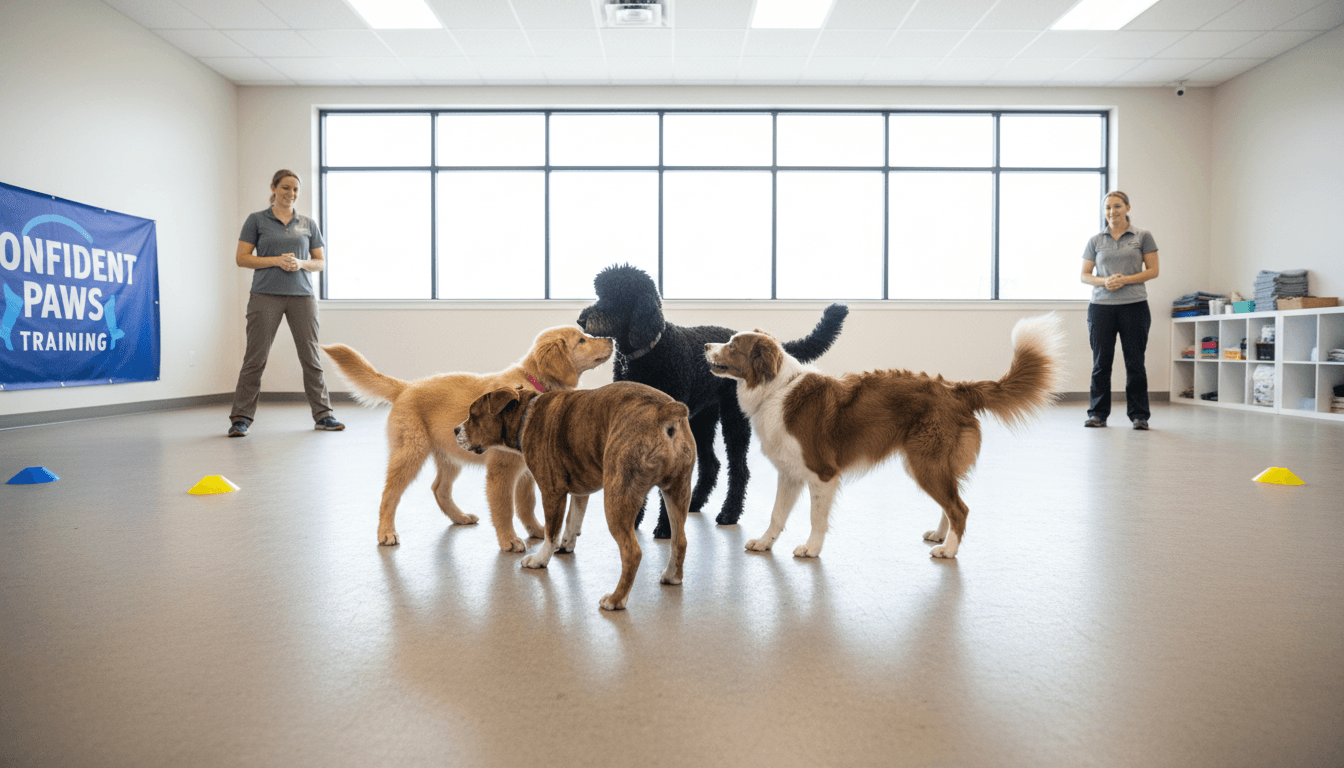
High quality socialization is not about physical contact with every dog in the room. It is about neutral exposure. A complete online puppy training course emphasizes controlled experiences where your puppy learns to remain calm around various stimuli. This includes walking over different surfaces like gravel or metal grates, hearing the sound of a hair dryer, or watching a calm adult dog from a distance without needing to lunge toward it.
Aspect | Quality Socialization | The Mosh Pit Trap |
|---|---|---|
Primary Goal | Neutrality and confidence | High arousal and excitement |
Interaction Type | Exposure to sounds and surfaces | Constant wrestling with peers |
Long Term Outcome | A dog that ignores distractions | A dog that becomes reactive or fearful |
Many local classes are run by staff who lack formal behavioral expertise. They may prioritize owner entertainment over puppy welfare. By choosing a flexible puppy school curriculum, you avoid the chaotic environment of a crowded vet clinic floor. You can facilitate exposure to real world challenges at your puppy's specific threshold. This structured approach ensures your puppy views the world as safe rather than a source of overwhelming stress.
Comparing the Costs: Puppy School Prices in Australia
Beyond the emotional and behavioural considerations, the practical budget for a new arrival is a major factor for most households. When researching puppy school cost Australia, you will find that prices fluctuate based on the trainer's expertise and the facility's location. Typically, a standard four to five week group course in an Australian metropolitan area ranges from $100 to over $350.
Program Type | Price Range (AUD) | Duration and Access |
|---|---|---|
Vet Clinic Basic | $100 to $180 | 4 to 5 fixed hours |
Boutique Training Centre | $220 to $350+ | 5 fixed hours |
Comprehensive Online Course | $150 to $300 | Lifetime access |
The primary limitation of many physical classes is their rigid timeline. These courses often conclude just as your puppy reaches sixteen weeks of age, which is precisely when many dogs enter a new fear period and require the most consistent guidance. If your support system ends after four hours of instruction, you are left to navigate complex adolescent behaviours alone.
When evaluating is puppy school worth it for first time puppy owners, consider the cost of inaction. A single pair of quality leather boots or a corner of a sofa ruined by destructive chewing often costs more to replace than the enrollment fee for a complete online puppy training course. Investing in a resource that offers permanent access to expert solutions ensures you are equipped for every developmental stage, not just the first month at home.
Is Online Puppy School Better for First Time Owners?

When weighing up the total cost and time commitment, many people begin to question if a digital approach is actually more effective. For the modern Australian household, the answer is often a resounding yes. A traditional one hour class at a local vet clinic can be a high pressure environment. If your puppy is overwhelmed by the smell of the clinic or the barking of five other dogs, their brain effectively shuts down. Learning cannot happen when a dog is in "flight or fight" mode. By contrast, a complete online puppy training course allows you to begin training in your puppy's actual home. This is where ninety percent of their behaviours, both good and bad, occur. By establishing foundations in a low distraction environment, you set your puppy up for success before asking them to perform in public.
The flexible puppy school curriculum also addresses the reality of busy Australian family life. Committing to a fixed Tuesday night session for five consecutive weeks is difficult for those juggling school runs, work commitments, and social calendars. Online learning removes the stress of a commute with a whining puppy in the car; it offers the unique ability to re-watch lessons as many times as needed. If you miss a nuance in a hand signal or need to refresh your memory on crate training at midnight, the information is available instantly. This on-demand expert guidance is particularly valuable for first time owners who may need to revisit the same lesson multiple times to gain confidence. When asking is puppy school worth it for first time puppy owners, the ability to learn at your own pace without the distractions of a chaotic classroom often provides the most reliable results.
What to Look for in a High Quality Program
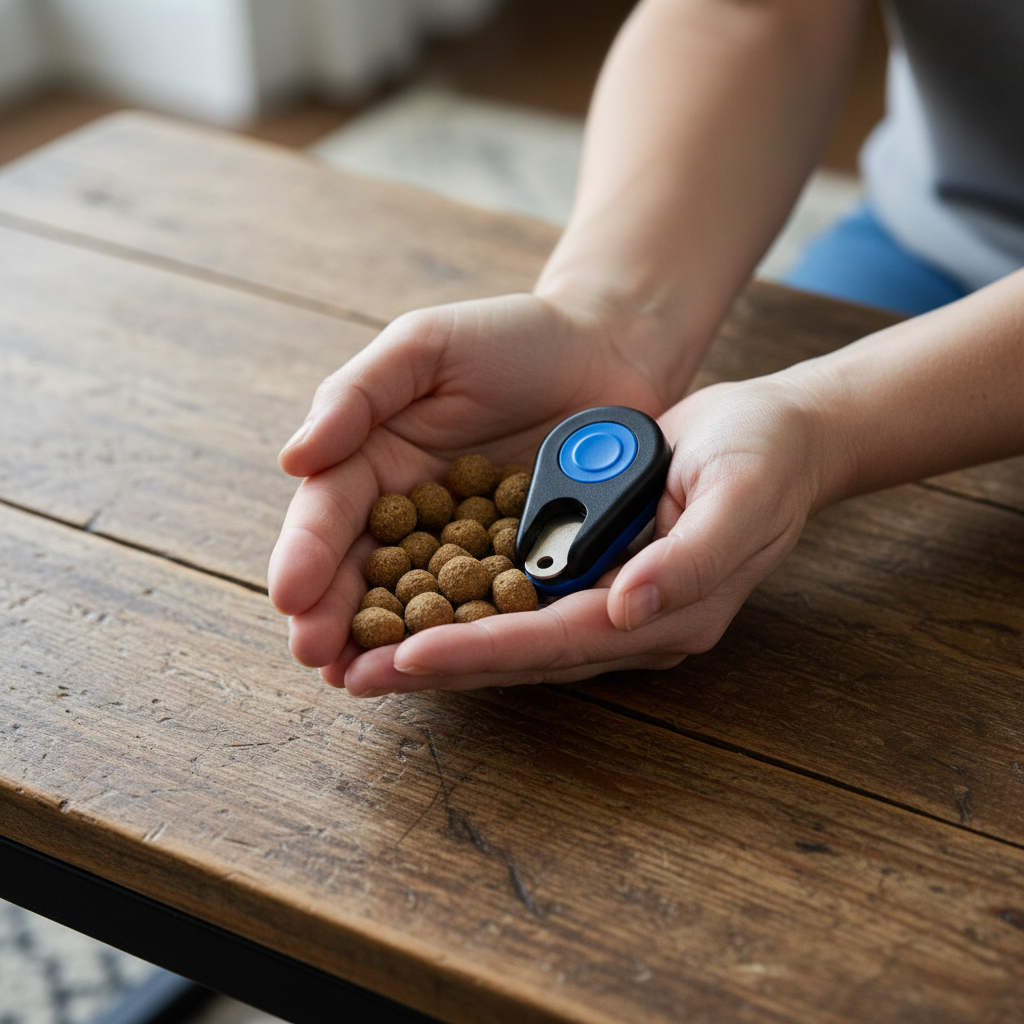
Selecting a program requires looking beyond the price tag to evaluate the actual methodology. For those questioning if puppy school is worth it for first time puppy owners; the answer lies in the curriculum's depth and the trainer's expertise. A high quality program acts as a roadmap for the first six months of your dog's life; focusing on long term success rather than quick fixes.
When evaluating your options, ensure the curriculum includes these non-negotiable elements:
Positive Reinforcement Methods: Prioritise reward based training that builds trust and encourages active learning. Avoid any program that suggests dominance or physical corrections; as these methods are scientifically outdated and can cause long term fear.
Comprehensive Life Skills: Training should extend far beyond basic commands like sit or stay. A complete online puppy training course must cover essential home skills; including crate training to provide a safe space and structured toilet training to prevent household accidents.
Expertise in Body Language: The instructor should provide specific guidance on reading subtle canine signals. Understanding when your puppy is stressed; tired; or overstimulated is the key to preventing future reactivity and ensuring safe social interactions.
A Focus on the Owner: The program should empower you to be a confident handler. It is not enough for a trainer to get your dog to behave in a class; you need the skills to replicate those results in your own lounge room or at the local park.
A flexible puppy school curriculum that prioritises these foundational pillars ensures you are not just checking a box; you are investing in a stable and well adjusted adult dog.
Common Puppy School FAQs for New Owners
New owners often find themselves caught between conflicting advice from vets, breeders, and neighbours. These frequently asked questions address the most common concerns regarding early education and safety.
When should my puppy start puppy school?
Ideally, your puppy should begin their education as soon as they arrive home, typically between eight and twelve weeks of age. This period aligns with the peak of their critical development window. Waiting until they are six months old to start a flexible puppy school curriculum often means you are working to undo established bad habits rather than building a solid foundation from day one.
Is it worth going to puppy school if they aren't fully vaccinated?
The risk of parvovirus or other diseases in public spaces is a legitimate concern for Australian pet owners. However, the American Veterinary Society of Animal Behavior suggests that behavioural issues, not infectious diseases, are the leading cause of death for dogs under three years of age. A complete online puppy training course provides the perfect middle ground; it allows you to utilise the 8 to 16 week window for education without exposing your puppy to the health risks found on a communal vet clinic floor.
Is puppy school necessary?
While you can technically raise a dog without formal instruction, the real question is whether you want a companion that is easy to live with. For those wondering is puppy school worth it for first time puppy owners, the answer lies in prevention. Quality training prevents the development of separation anxiety, resource guarding, and lead reactivity. Addressing these common issues early is far more cost effective than hiring a behavioural specialist once a dog has reached adulthood.