The most effective way to toilet train puppy fast without punishment Australia is to implement a strict routine based on positive reinforcement and frequent outdoor breaks. Owners should take their dogs out every hour or immediately after eating and sleeping, then reward successful toileting with praise or treats to reinforce good habits quickly.
Waking up to a soiled rug or constantly hovering over your puppy during a humid Australian summer night is a common source of exhaustion for new owners. When progress feels stagnant, it is tempting to think that firmer corrections are the answer; however, scolding actually stalls progress by eroding the bond between you and your pup. To achieve fast and reliable results, you must replace frustration with a structured, science-based approach that prioritizes positive reinforcement. This guide provides a comprehensive roadmap tailored for the modern Australian lifestyle. You will learn the essential 10-10-10 rule, strategies for apartment living, and how to manage overnight breaks without stress. By shifting your focus from punishment to proactive management, you can transform your puppy into a house-trained companion in record time. We are here to help you master these professional techniques today.
Why Positive Reinforcement is the Fastest Way to Success
When owners look for how to toilet train puppy fast without punishment Australia, they are often searching for a shortcut to a clean carpet. However, in professional dog training, fast does not mean an overnight miracle; it refers to the most efficient path toward long term reliability. Choosing positive reinforcement over traditional, punitive methods is the only way to achieve this efficiency without damaging the relationship you have with your new pet.
Punishment based methods, such as yelling or rubbing a puppy's nose in an accident, are fundamentally flawed. These actions do not teach a puppy where they should go; they simply teach the puppy that you are unpredictable and scary when they relieve themselves. Instead of learning that the grass is the correct spot, the puppy learns that they must hide their business to stay safe. This often leads to puppies sneaking behind the sofa or into a spare room to avoid detection. By the time you find the mess, the lesson is lost, and you have delayed the training process by creating a dog that is too fearful to go in your presence.
Our philosophy at Online Puppy School focuses on building a bond through clear, two way communication. When you reward a puppy for using the correct spot, you are providing a clear signal of success. This clarity reduces stress and speeds up the learning cycle. By establishing a language of rewards rather than a cycle of fear, you create a dog that actively seeks to get it right. This cooperative approach is a core component of our complete online puppy training course, ensuring your puppy understands your expectations through consistent, positive feedback.
The Core Elements of Fear-Free Toileting
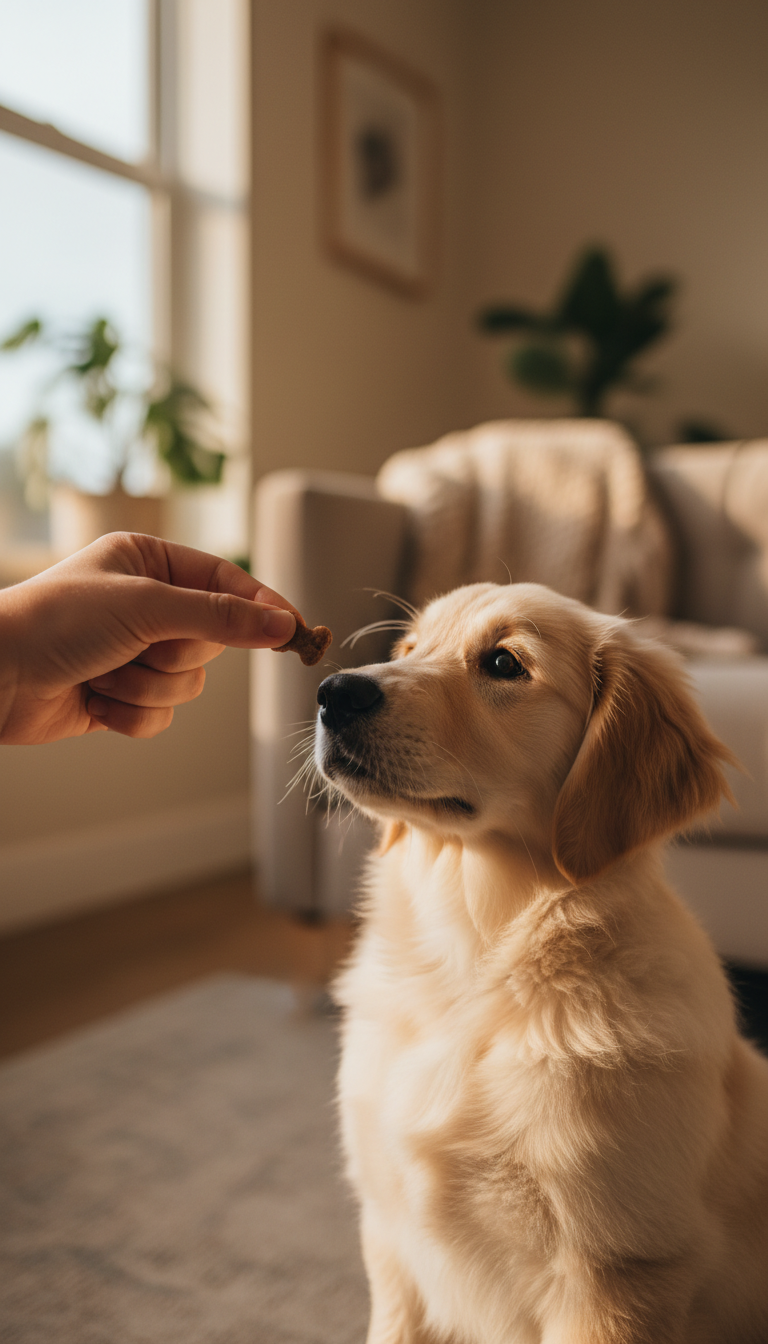
To effectively toilet train puppy fast without punishment Australia, you must move beyond hope and transition into a structured management system. We break this down into three essential pillars: Supervision, Schedule, and Success. Mastering these elements ensures your puppy is never given the opportunity to fail, which is the secret to rapid progress.
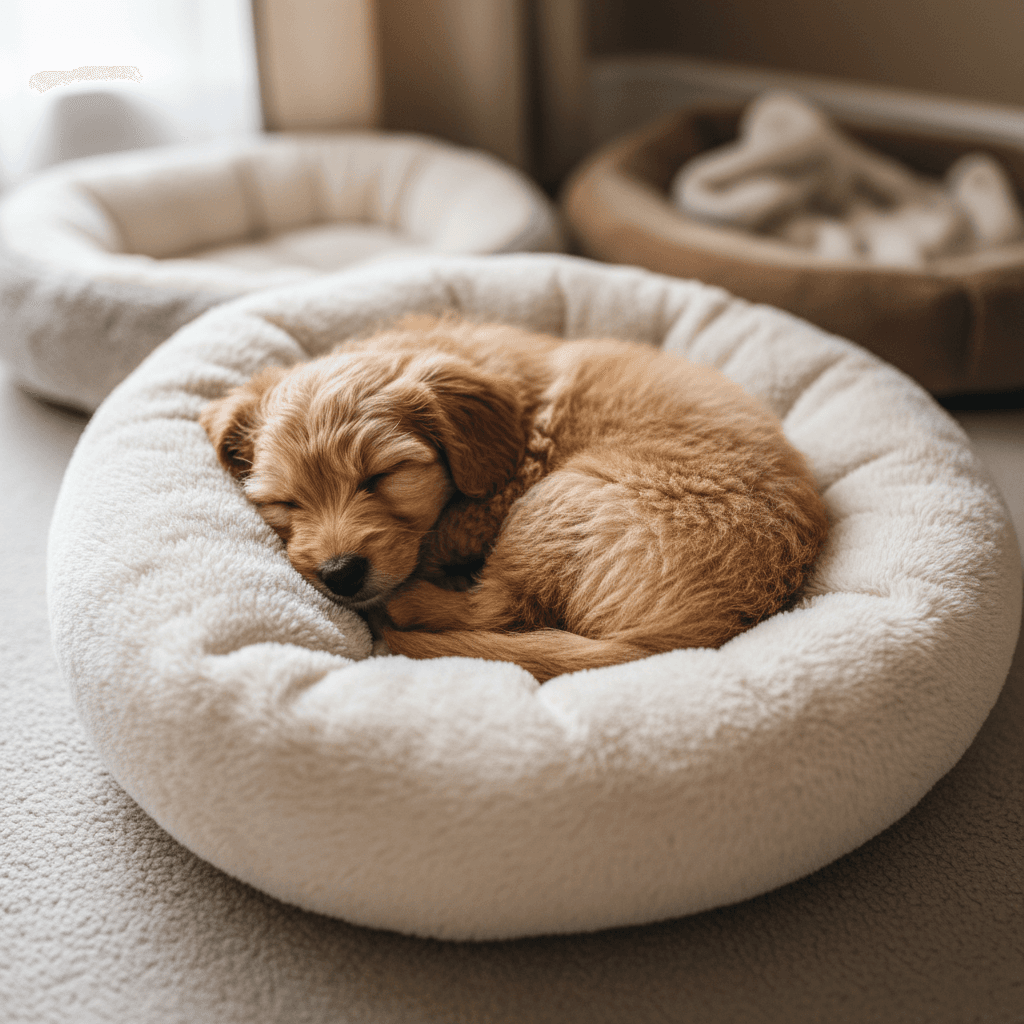
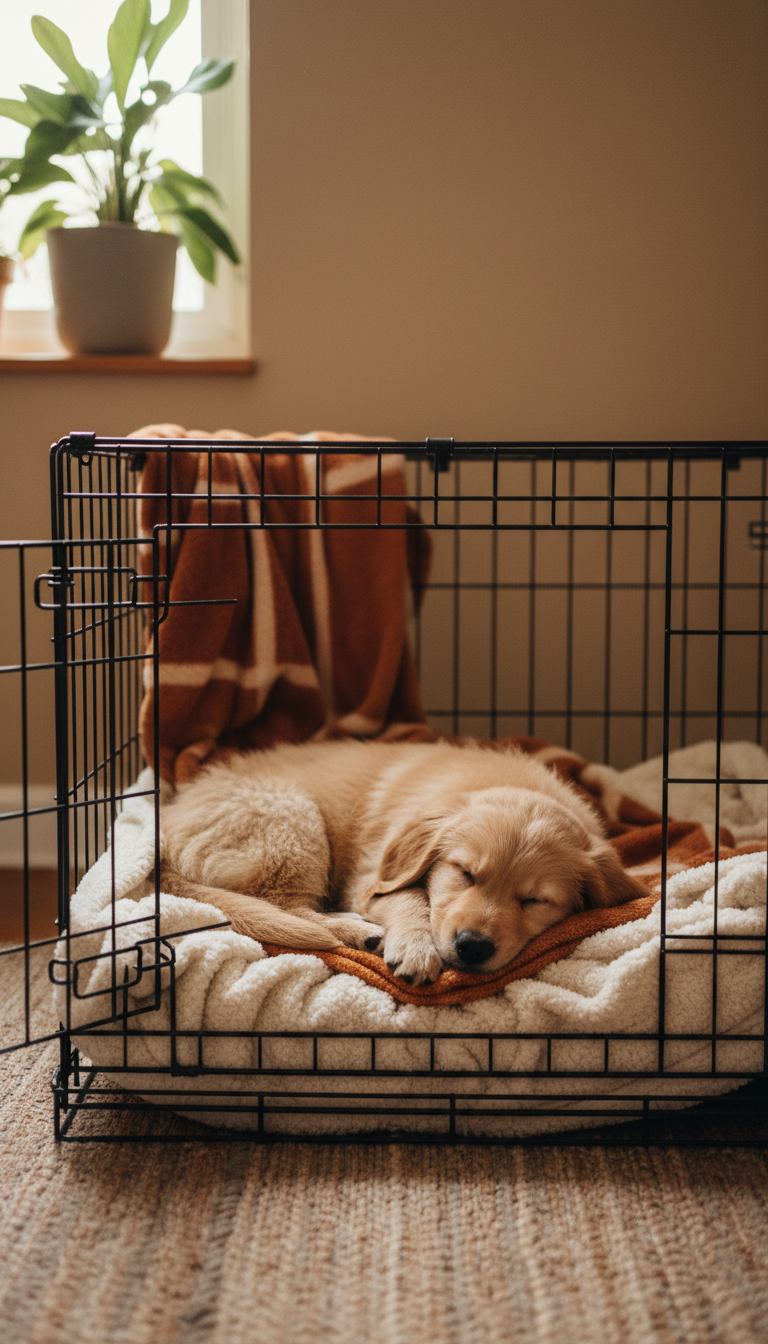
Supervision is about active management. If you are not looking directly at your puppy, they should be in a designated 'safe zone.' This is typically a crate or a playpen; because dogs have a natural instinct to keep their sleeping area clean, they are much more likely to hold their bladder while confined. Leaving a puppy to roam the house unsupervised is the most common reason for setbacks. If they are out with you, they must be within your sightline so you can catch the subtle signs, such as circling or intense sniffing, before an accident occurs.
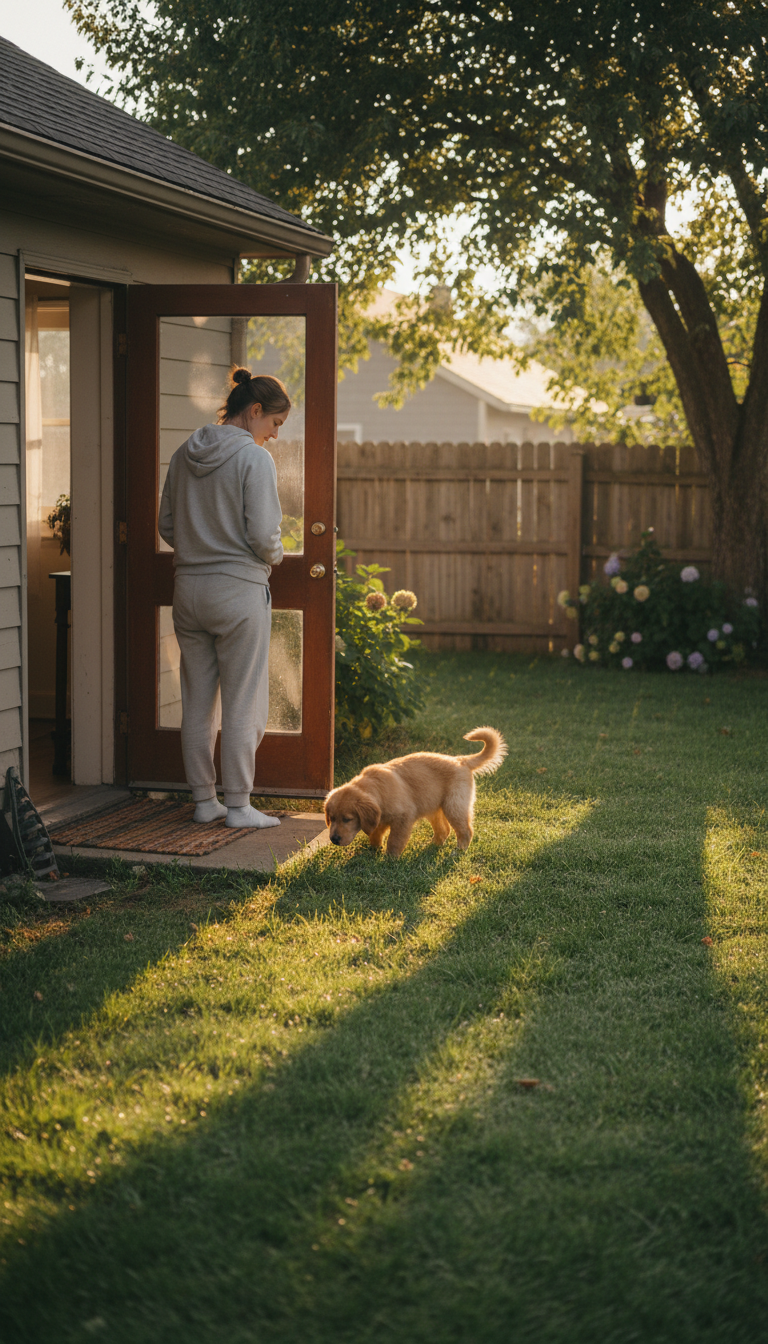
Schedule involves anticipating their biological needs. You do not wait for your puppy to tell you they need to go; you tell them when it is time. Take them to their designated spot during these high-probability windows:
Immediately after waking up in the morning or after a nap.
Within ten to fifteen minutes of eating or a big drink.
During or immediately after a vigorous play session.
At least every hour for puppies under twelve weeks old.
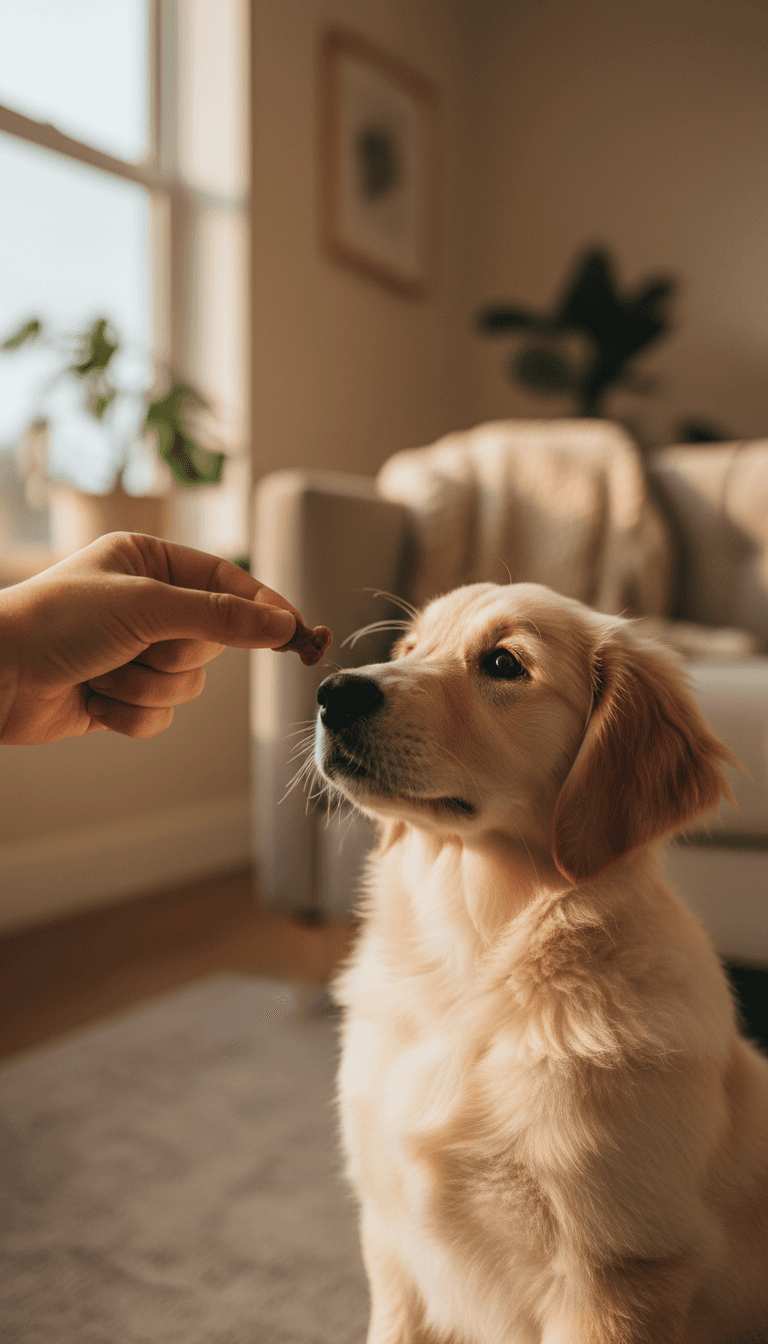
Success is the final pillar, and it is where many generic guides fall short. To mark a win, you must use high-value rewards that your puppy actually cares about. Standard kibble often isn't enough to reinforce a behavior as important as toileting. Instead, use small pieces of premium Australian treats, such as dried liver or plain boiled chicken. By delivering this reward the very second they finish, you are communicating exactly what they did right. For those looking for a step by step breakdown of this timing, our complete online puppy training course provides detailed demonstrations to ensure your rewards hit the mark every time.
Understanding the 10 10 10 Rule and the 5 Minute Rule
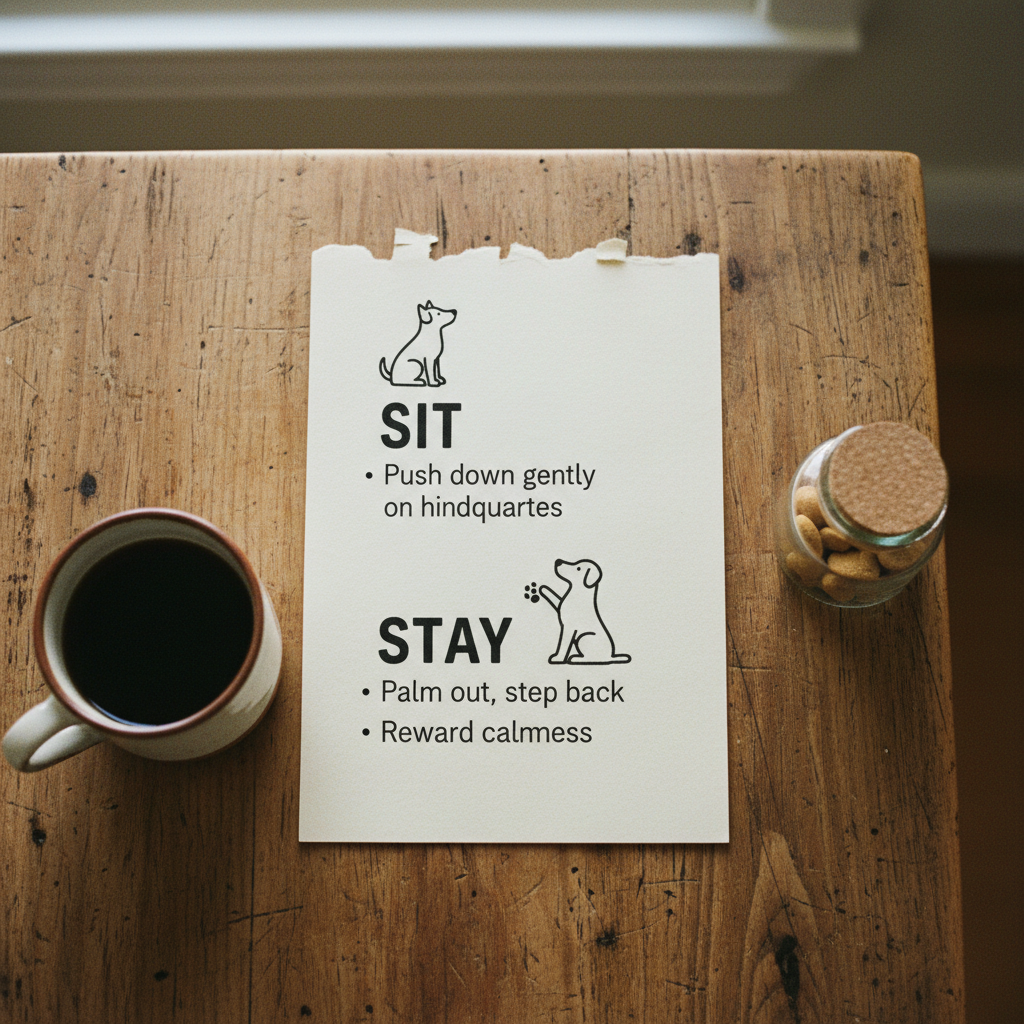
To toilet train puppy fast without punishment Australia, you must understand the physiological triggers that dictate when a puppy needs to go. While a general schedule is helpful, specific protocols like the 10 10 10 rule and the 5 minute rule provide the precision needed for consistent results.
The 10 10 10 rule manages the transition from confinement to freedom. If you take your puppy to their designated spot and they do not toilet within 10 minutes, return them to their crate or playpen for 10 minutes. After this, take them back outside for another 10 minutes. This cycle repeats until they succeed, at which point they earn 10 minutes of supervised play in the house. This prevents accidents by ensuring they only have free roaming time when their bladder is empty.
The 5 minute rule targets the gastrocolic reflex. Puppies frequently need to eliminate within 5 minutes of a big drink or a high intensity play session. If you miss this window, an accident is almost guaranteed.
Event | Action | Rule Applied |
|---|---|---|
Wake Up | Straight to grass | Morning Routine |
Drink Water | Out within 5 minutes | 5 Minute Rule |
No result (10 mins) | Back to crate/pen | 10 10 10 Rule |
Successful toilet | Supervised play | 10 10 10 Rule |
Implementing these protocols is a core part of our complete online puppy training course, giving you the structure to avoid common guesswork.
Adapting Your Training to the Australian Lifestyle
Applying the rules of timing successfully requires adjusting your approach to the specific demands of the Australian environment. Local weather extremes often dictate how and when you take your puppy outside. During a relentless rainy season in Queensland, a puppy might be reluctant to step onto wet grass. You may need to provide a temporary undercover area or use a large golf umbrella to keep them dry; physical discomfort can cause a puppy to hold their bladder until they are safely back inside on the carpet. Conversely, a scorching Perth summer means midday pavers and even some artificial turf can become hot enough to burn sensitive paws. Always check the ground temperature with the back of your hand. If it is too hot for you, it is too hot for your puppy to focus on their training.
Australian housing also presents unique logistical hurdles. For those living in high-rise apartments in Sydney or Melbourne, the puppy dash to a ground-floor lawn is often impossible within a five-minute window. Utilizing a real or synthetic grass patch on a balcony is a practical solution. However, if you plan to eventually move to a house with a backyard, you should treat the balcony patch as a formal toilet area rather than a free-access zone. Keep your puppy on a leash even on the balcony to build the association between being tethered and toileting.
To ensure you never miss a window, keep a dedicated toileting kit by the back door or balcony exit. This kit should include a leash, a container of high-value treats, and a powerful torch for winter evenings or late-night breaks. Having these items ready prevents the delay that often leads to an indoor accident. For more tailored advice on managing these environmental factors, our complete online puppy training course offers strategies for every Australian living situation. This preparation is essential to toilet train puppy fast without punishment Australia by removing the environmental barriers to their success.
How to Toilet Train Your Puppy in an Apartment or at Night
Managing a puppy in an apartment requires a tactical shift in how you use your indoor space. To toilet train puppy fast without punishment Australia, apartment dwellers must decide between absorbent pads or synthetic versus real grass patches. While pads are accessible, they often mimic the texture of rugs or bathmats, which can lead to confusion. Real grass patches, frequently available via subscription in major Australian cities, are the superior choice because they reinforce the specific substrate association from day one. If you are using a balcony, ensure the area is secure and the patch is placed away from their eating area to respect their natural hygiene instincts.
Overnight training introduces the challenge of sleep deprivation, but the success lies in the boring toilet break. When your puppy whines or your alarm goes off at 2 AM, keep the interaction entirely functional. Carry them to the designated spot without speaking, making eye contact, or engaging in play. Use a dim torch rather than turning on bright overhead lights. Once they finish, offer a quiet reward and immediately return them to their crate or pen. This lack of stimulation ensures the puppy views the outing as a necessity rather than an invitation for a midnight romp.
If you find your puppy is struggling to settle back down after these breaks, our complete online puppy training course offers specific settling techniques to restore your household's sleep cycle. This disciplined approach prevents the common frustration of 2 AM playtime and keeps your training timeline on track by maintaining a clear distinction between sleep time and business time.
What to Do When Accidents Happen: The No Scold Strategy
Even with a perfect schedule, accidents are a normal part of the learning curve as you work to toilet train puppy fast without punishment Australia. When you discover a mess, the most effective response is no response at all. Shouting or physical discipline only teaches your puppy that you are unpredictable, which can lead to them hiding their accidents in the future. Instead, silently pick up your puppy and take them to their designated outdoor spot. This allows them to finish their business in the correct location, giving you a final chance to reward the correct behavior.
If you happen to catch them in the act, use a neutral 'oops' to interrupt the flow, then immediately transition outside. Once the puppy is managed, clean the indoor site with a dedicated enzymatic cleaner. Avoid ammonia based products or glass cleaners; these contain chemical markers similar to urine which can actually attract a puppy back to the same spot. For owners struggling with frequent setbacks, our complete online puppy training course provides comprehensive troubleshooting modules to help identify and fix the root cause of indoor accidents.
Transitioning to Long Term Reliability
Transitioning from a rigid schedule to long term reliability occurs as your puppy develops the physical capacity to hold their bladder and the mental association with their toilet spot. Mastering this transition is the final step to toilet train puppy fast without punishment Australia. You must learn to read their specific signals, such as intense sniffing in tight circles, pacing near the back door, or a sudden, unexplained stop in play.
Some puppies will sit silently by the exit, while others may offer a persistent stare. Promptly rewarding these 'asks' solidifies the behavior and encourages them to communicate their needs. For those who prefer a structured, day by day roadmap to navigate these final stages, our complete online puppy training course provides the exact milestones needed for permanent reliability.
Ultimately, the secret to toilet training your puppy quickly is maintaining a consistent schedule and using positive reinforcement. By focusing on praise rather than punishment, you build a stronger bond with your pet while achieving much faster results. If you feel you need expert help or a structured plan to guide you through the process, our comprehensive Course offers all the resources required to raise a well-behaved companion. It serves as a gentle next step for owners who want more professional support.