A puppy socialisation checklist sounds surfaces situations 16 weeks provides a structured way to expose young dogs to diverse noises, textures, and environments during their most influential developmental period. Introducing your pet to various household sounds, outdoor terrains, and social encounters before four months of age is essential to prevent future anxiety. These positive experiences help build a confident, well-adjusted adult dog that can handle new situations with ease.
Bringing home a new puppy is exhilarating, yet the pressure to get it right before the developmental window closes can feel incredibly overwhelming for dedicated owners. You likely know that early exposure is vital; however, staring at a growing list of noises and environments often leaves you wondering if you are doing enough to prevent future reactivity. This critical period before 16 weeks is your golden opportunity to shape a resilient, confident companion who navigates the world with ease. In this guide, we provide a comprehensive socialisation checklist tailored to essential sounds, varying tactile surfaces, and complex social situations. We will also address the common concern of whether 14 weeks is truly too late to start. You will learn how to prioritise quality over quantity, ensuring every new experience builds lasting confidence rather than unnecessary stress.
Why the 16 Week Window is the Golden Age of Puppy Socialisation
The period between 3 and 16 weeks of age is often called the "critical socialisation window," and for good reason. During this brief time, a puppy’s brain is uniquely predisposed to accepting new experiences as normal and safe. Research from Walkerville Vet highlights that any sight, sound, or sensation a puppy has not encountered positively by approximately 14 to 16 weeks can trigger fear responses later in life. This biological deadline makes these early months the most influential phase of your dog's life.
True socialisation is about building "environmental literacy" rather than just meeting other dogs. It is the process of teaching your pup how to navigate the human world with calm confidence. To achieve this, focusing on a puppy socialisation checklist sounds surfaces situations 16 weeks into their life provides the necessary roadmap for a well-adjusted adult dog. It is about preparing them for the reality of urban or suburban living so they remain unfazed by the bustle of daily life.
If you have just brought your puppy home and feel the clock is ticking, stay encouraged. You still have a significant opportunity to shape their temperament. By following a comprehensive online training course, you can systematically introduce your puppy to new stimuli at a pace that suits them. The goal is to ensure that common Australian sights and sounds become a predictable backdrop to their life rather than a source of lifelong stress.
The Sound Socialisation Checklist: From Vacuum Cleaners to Australian Summer Storms
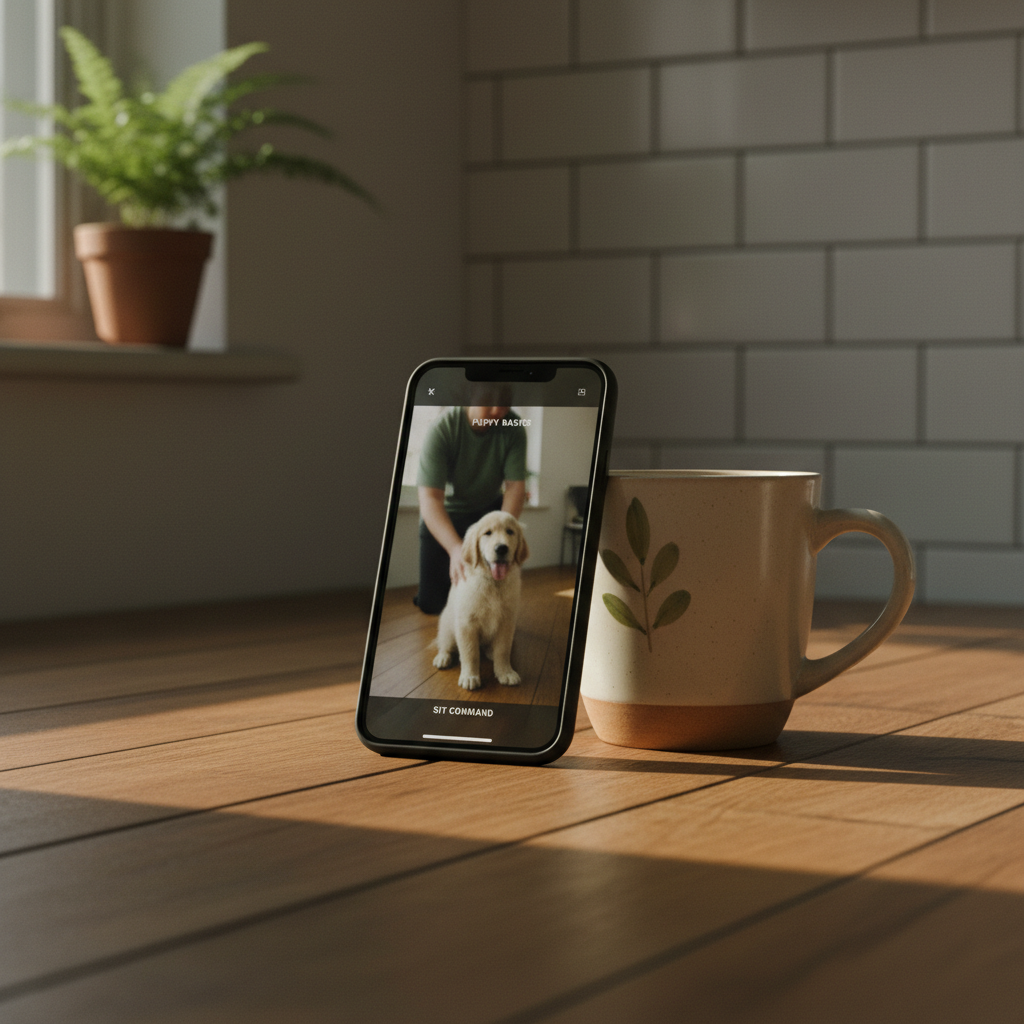
Building environmental literacy begins with the acoustic landscape of your home. To a young puppy, the sudden roar of a vacuum or the high-pitched whir of a blender can be startling if not introduced systematically. You should aim to turn these everyday noises into positive predictors of reward rather than sources of anxiety.
### Household Sound Checklist Begin with the sounds you can control easily. Focus on these common household items: - Vacuum cleaners and steam mops - Hair dryers and electric shavers - Blenders and food processors - Doorbells, intercoms, and firm knocking at the front door - Washing machine spin cycles and dishwasher beeps
### Australian Environmental Sounds The Australian environment presents its own unique set of auditory challenges. A Saturday morning in the suburbs often features a chorus of lawnmowers and leaf blowers, while a sudden summer afternoon storm can create a deafening drumming of rain on a tin roof. You should also consider the local wildlife; the warble of a magpie or the screech of a cockatoo are sounds your puppy will encounter daily and should learn to ignore.
### Digital Socialisation For sounds that are harder to conjure on demand, such as heavy traffic, fireworks, or emergency sirens, use the RSPCA suggestion of "digital socialisation." This involves playing high-quality recordings from YouTube or streaming services. The secret is to start at a barely audible volume while your puppy is engaged in a pleasant activity, such as eating or playing with a favourite toy. Over several days, gradually increase the decibels, ensuring your puppy remains relaxed and focused on their task.
### The Power of Counter-Conditioning Successful sound socialisation relies on counter-conditioning, which is the process of pairing a potentially scary stimulus with a high-value reward. For example, if you are about to use the hair dryer, have a handful of small treats ready. The moment the sound starts, the treats begin flowing. If the sound stops, the treats stop. This teaches the puppy that loud noises are actually a "dinner bell" for something delicious. If you are struggling with a particularly fearful response, contact our team for specific guidance. Systematically working through this puppy socialisation checklist sounds surfaces situations 16 weeks into their development ensures your dog remains calm when the world gets noisy.
Navigating Different Surfaces: Building Tactile Confidence
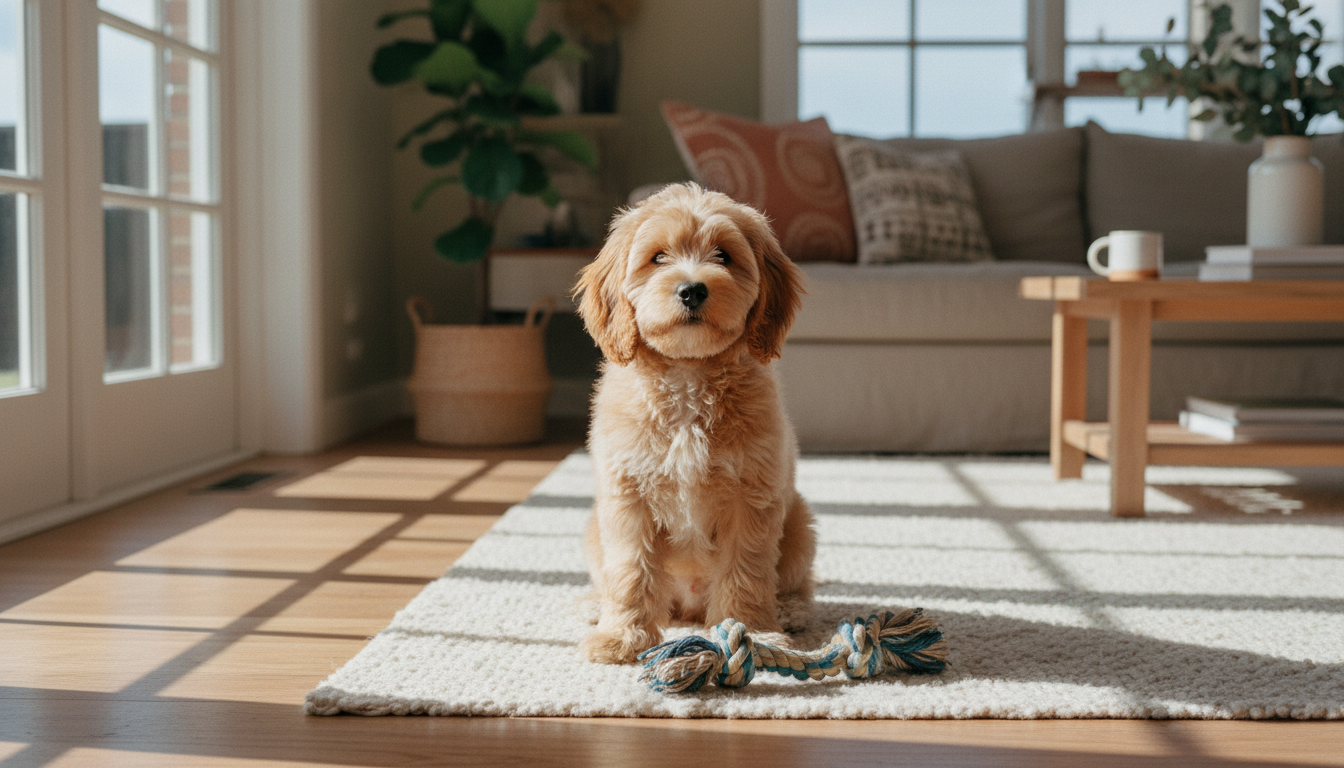
Just as you pair sounds with rewards, you should treat every new surface as a positive discovery. While sound creates the atmosphere of a puppy’s world, the textures beneath their paws define their physical confidence. A puppy that only ever walks on plush carpet or flat lawns may experience a sensory freeze when encountering the slippery tiles of a vet clinic or the metallic clatter of a shop doorway. By expanding your tactile training, you ensure your dog views new ground as an adventure rather than an obstacle.
Building this confidence requires a diverse range of environments. In Australia, temperature management is vital; before letting your pup step onto any pavement, perform the five second touch test with the back of your hand. If it is too hot for you, it is too hot for their sensitive pads. Aim to introduce these variations:
Surface Category | Specific Examples |
|---|---|
Natural Textures | Wet grass, deep sand, loose gravel, and mulched garden beds. |
Urban Elements | Smooth concrete, tactile paving (bumps at crossings), and metal drainage grates. |
Indoor Variety | Linoleum, polished floorboards, and vinyl. |
Unstable Ground | Bubble wrap hidden under a towel, a low wobble board, or a flattened cardboard box. |
Introducing unstable surfaces like bubble wrap or a wobble board is particularly effective for building proprioception, which is the puppy’s awareness of their own body in space. This prevents the common balking behaviour seen in older dogs when they encounter bridge decks or moving flooring. Systematically ticking off items from a comprehensive online training course and a puppy socialisation checklist sounds surfaces situations 16 weeks into your puppy's life will ensure they remain steady on their feet. If your puppy seems hesitant to step onto a specific texture, contact our team for strategies on how to encourage them without force.
Social Situations and Environmental Exposure
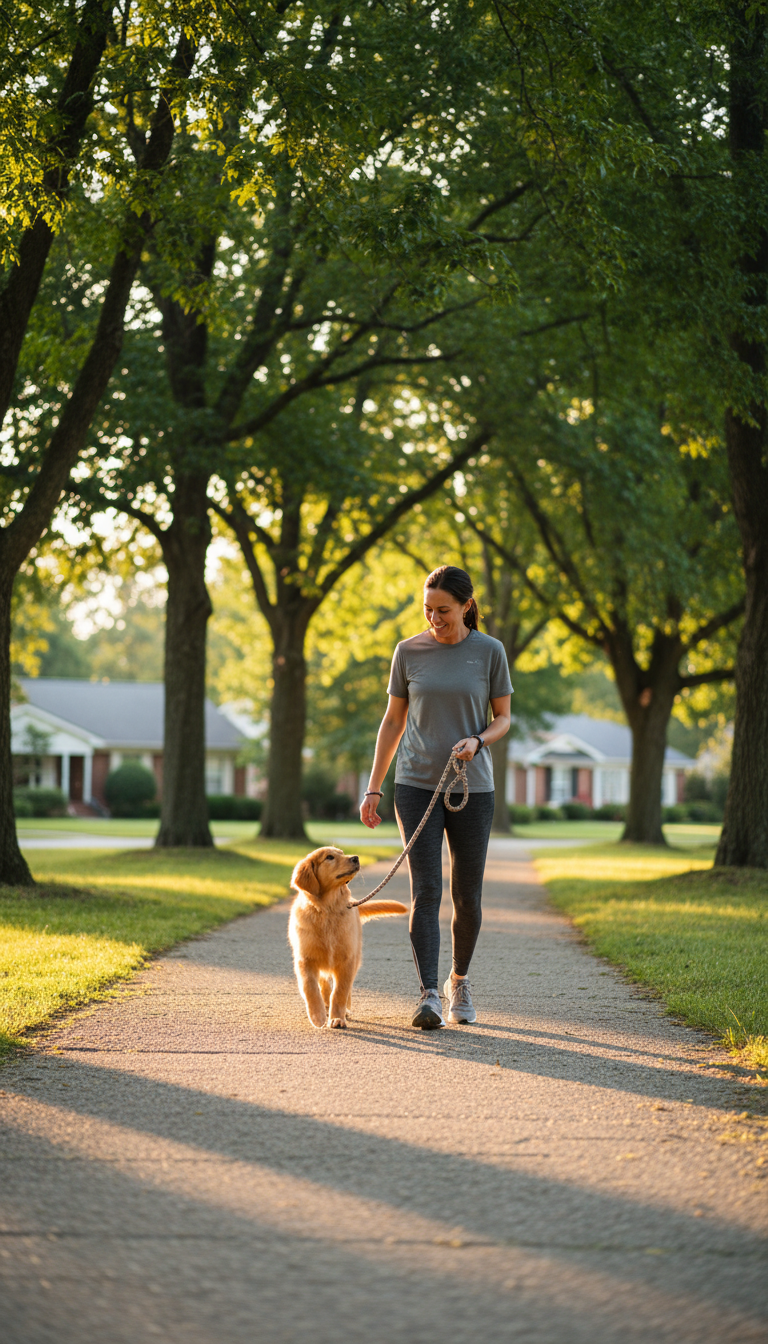
Socialisation is often misunderstood as a simple meet and greet for dogs, but for a puppy to become a well-adjusted adult, they must learn to navigate the complexities of human society. When owners ask, "What should I expose my puppy to?", the answer includes everything that looks, smells, or moves differently than their immediate family. This includes people wearing broad-brimmed hats, sunglasses, and flapping umbrellas, as well as individuals with thick beards or different walking gaits. In Australia, it is particularly important to socialise your pup to people in high-vis gear and heavy boots, as these are common sights in our suburban streets and near construction sites.
Environmental exposure also involves familiarising your dog with common public scenarios. A vet waiting room should not only be visited for vaccinations; popping in just to sit calmly and receive a treat helps prevent future anxiety. Similarly, frequent short car rides that end at a fun destination, or even just a quick lap around the block, ensure your dog does not associate the vehicle solely with clinical visits or stressful events. Cafes are another excellent training ground; practicing a "settle" on a mat while you have a coffee teaches your pup to ignore the hustle of moving chairs and nearby conversation.
If your puppy is not yet fully vaccinated, you can still safely tick off items on your puppy socialisation checklist sounds surfaces situations 16 weeks into their life. Use the stationary observation method. Park your car at a busy location, such as a Bunnings car park or near a local playground, and sit in the open boot with your puppy on a lead. This allows them to watch trolleys, bicycles, and diverse groups of people from a safe, elevated distance without their paws touching potentially contaminated ground.
Managing these introductions carefully ensures your puppy remains curious rather than fearful. If you find your puppy struggling to remain calm in these environments, contact our team for personalised support. By following a comprehensive online training course, you can ensure you are exposing your pup to the right situations at the right time, building a foundation of social confidence that lasts a lifetime.
Is 14 Weeks Too Late to Socialise a Puppy?
Fourteen weeks is not a hard deadline that shuts the door on your dog’s development, but it does signal a shift in how you should approach their training. While the prime window for effortless absorption is drawing to a close, socialisation remains a lifelong requirement for a balanced dog. If your puppy has reached this age without diverse experiences, your strategy must pivot from simple introduction to more intentional, slow exposure. For pups who have already developed specific anxieties, the process becomes one of rehabilitation and counter-conditioning.
It is always better to start late than to skip these critical steps entirely. You can still work through a puppy socialisation checklist sounds surfaces situations 16 weeks into their life, provided you prioritise their comfort levels. Using a comprehensive online training course provides the structure needed to bridge this gap safely without overwhelming your pet. If you are noticing signs of significant fear, contact our team to discuss tailored strategies for older puppies. Consistency now prevents long-term behavioural issues later.
Quality Over Quantity: How to Know if Your Socialisation is Working

Focusing on the emotional outcome of an encounter is more important than simply ticking every box on a puppy socialisation checklist sounds surfaces situations 16 weeks into your puppy's life. For socialisation to be effective, every experience must be positive. If a puppy is merely surviving a situation rather than engaging with it calmly, they are not learning that the world is safe; they are learning to tolerate fear, which can lead to unpredictable behavior later.
To ensure your training is working, you must become an expert in your puppy’s subtle body language. Signs of being overwhelmed often appear before a puppy tries to bolt or hide. Look for repetitive yawning when they aren't tired, frequent lip licking, or a tail tucked tightly against the belly. You might also notice "whale eye," where the puppy turns their head but keeps their eyes fixed on a sound or object, showing the whites of their eyes. These signals indicate the puppy has reached their threshold.
If you see these signs, perform a reset immediately. This is done by calmly increasing the distance between your puppy and the stimulus until they can relax and accept a treat again. Avoid the mistake of "flooding," which is forcing a puppy to stay in a scary situation until they stop reacting. This often results in a shut-down dog rather than a confident one. For a structured way to navigate these nuances, our comprehensive online training course provides detailed video demonstrations. If you are struggling to read your puppy’s signals or feel they are becoming more fearful, contact our team for professional support.
Helping your puppy navigate these early experiences is essential for their long-term confidence and well-being. By prioritizing positive exposure to new sounds and surfaces before sixteen weeks, you are setting a permanent foundation for a happy life together. If you want expert help managing these critical developmental milestones, joining our online puppy course is a great next step. Having a structured plan can make the training process feel much more manageable while ensuring you do not miss any important socialization opportunities.