To introduce puppy to existing dog successfully, start with supervised meetings on neutral ground using separate handlers for each animal. You should gradually progress to scent swapping and short interactions at home while monitoring body language for signs of stress; this slow approach ensures a safe transition and builds a positive bond.
Bringing home a new puppy should be a moment of pure joy. However, for many owners, this excitement is often overshadowed by the fear of a territorial spat or a lifelong rivalry. You likely worry that your loyal resident dog will feel displaced or that the puppy’s relentless energy will trigger a negative reaction. These concerns are valid because a poorly managed introduction can create lasting tension and behavioral setbacks for both animals. Mastering this transition requires a calculated, expert approach rather than leaving the outcome to chance. In this guide, we will walk you through the essential steps to ensure a peaceful integration. You will learn how to prepare your environment, why neutral territory is non-negotiable for the first meeting, and how to interpret subtle body language cues. We also provide strategies for managing the first 24 hours to foster long-term harmony.
Preparing Your Home for the New Arrival
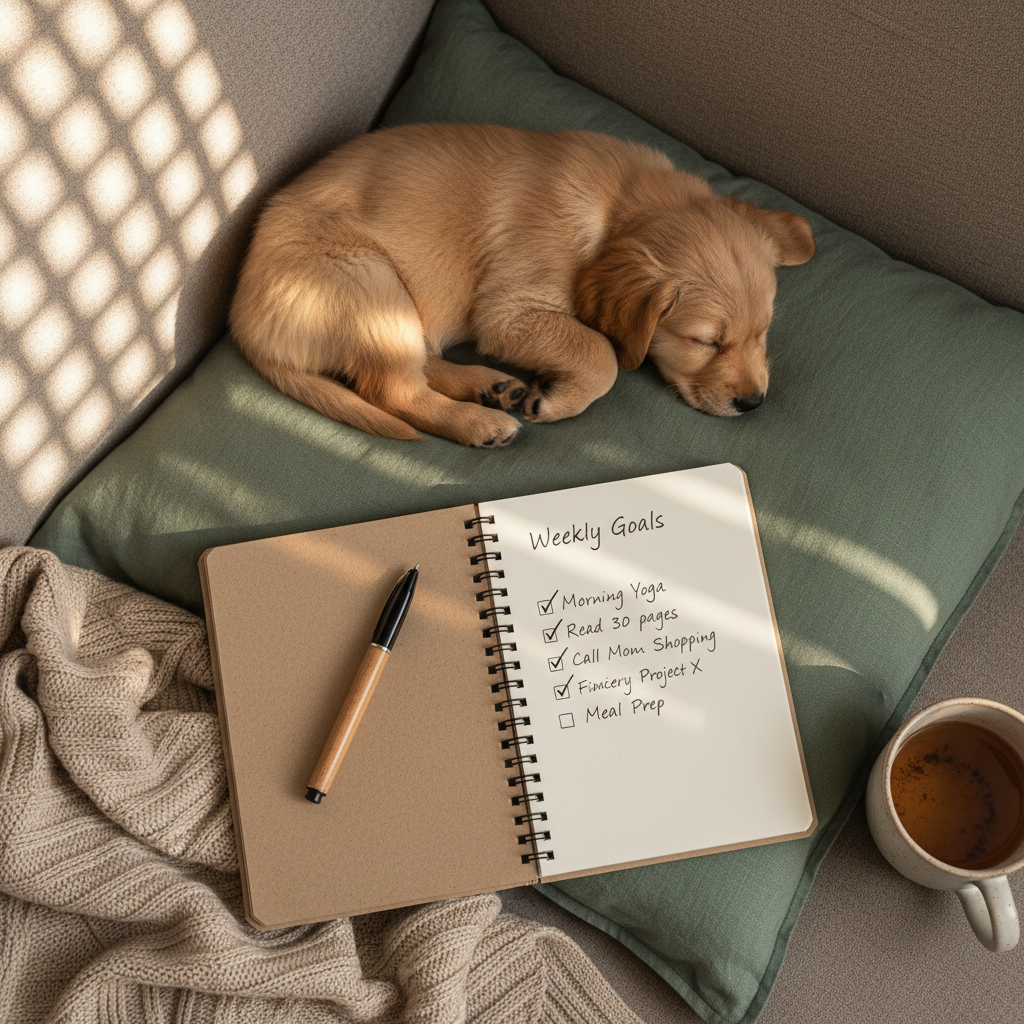
Bringing a new puppy into your life is an exciting milestone, but for your resident dog, it represents a significant shift in their territory and routine. Success begins with environmental management, ensuring your existing dog feels secure rather than replaced. Before the puppy arrives, focus on scent swapping. Request a blanket or toy from the breeder or shelter that carries the puppy’s scent and place it in your home. This allows your current dog to investigate the newcomer’s smell in a low pressure environment, effectively performing a handshake before the physical meeting.
Physical boundaries are equally critical. Set up safe zones using crates or baby gates to partition areas of the house. These zones ensure both dogs have a place to retreat; your older dog, in particular, will appreciate a puppy free space when they need a break from high energy play. It is vital to establish these areas early so they become a normal part of the home layout before the puppy’s arrival.
To mitigate the risk of resource guarding, temporarily remove high-value items from common areas. Items such as favourite squeaky toys, long lasting chews, or bones can trigger defensive behaviours in even the most socialised dogs. By clearing the playing field of these triggers, you reduce the likelihood of early friction. For those looking for structured guidance on setting up their home environment, our complete online puppy course provides detailed modules on management strategies. If you have specific concerns about your dog’s previous reactions to visitors, feel free to contact our training team for tailored advice. Proper preparation ensures that the first time you introduce puppy to existing dog, the environment supports a calm, controlled transition.
The First Meeting: Why Neutral Ground is Essential
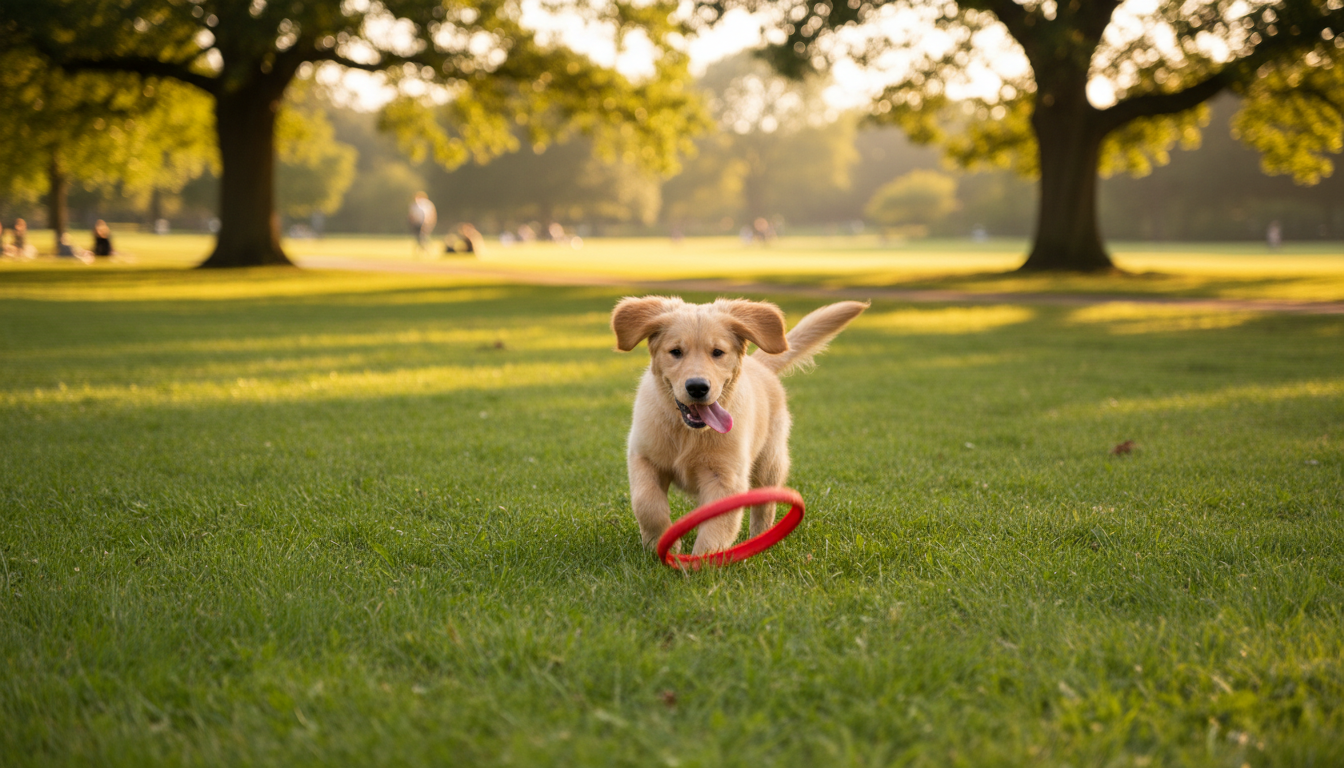
Once your home is partitioned and scents have been exchanged, the physical introduction must take place on neutral ground. Your resident dog views your home and backyard as their personal territory; this can trigger a protective or defensive instinct if a newcomer suddenly appears. To bypass this "intruder" response, choose a quiet local park or a neighbour’s fenced yard where neither dog feels a proprietary claim to the space. Avoid busy dog parks where off-leash strangers might interrupt the process, as you need a controlled environment to ensure a positive first impression.
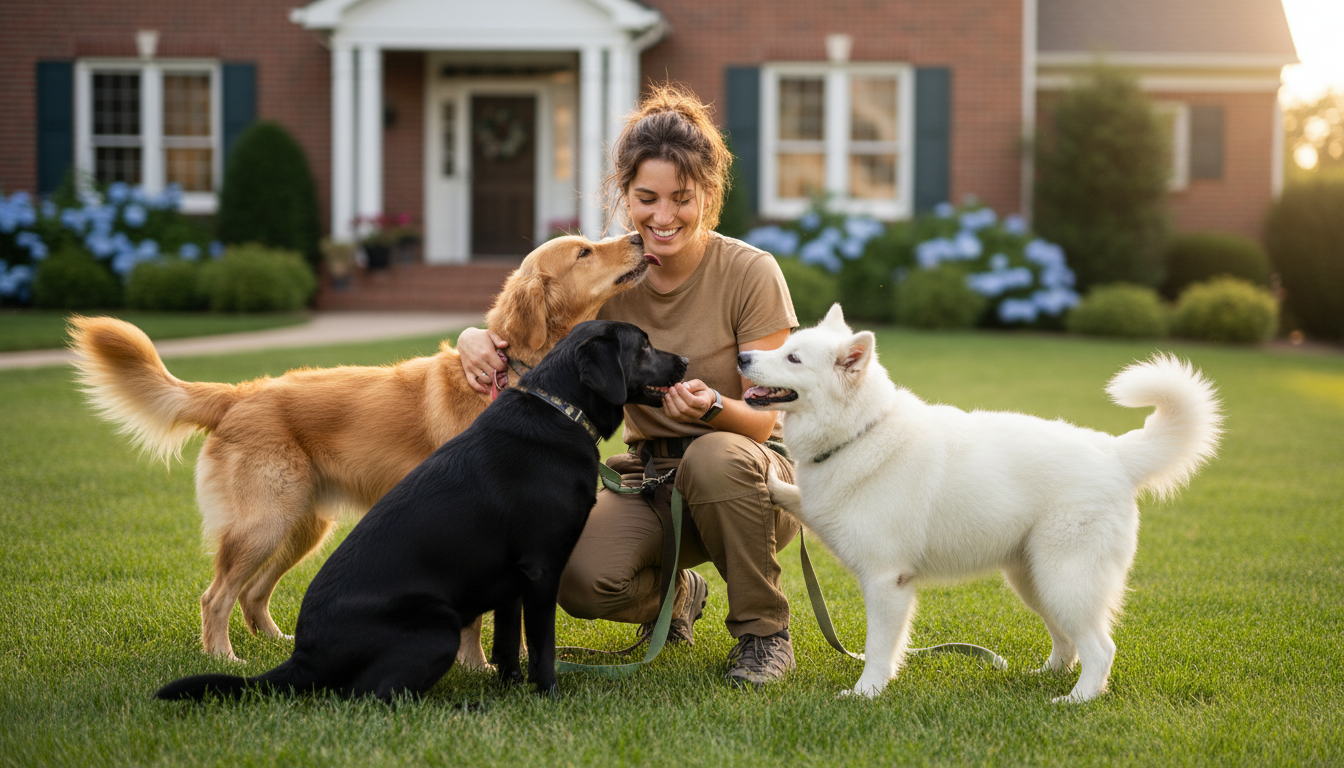
Success depends on the two-handler technique. Each dog requires their own person and their own leash. This ensures you have full control while preventing the dogs from feeling cornered. The most critical element during this phase is keeping the leashes loose. When a handler pulls a leash tight, they inadvertently transmit physical tension down the line, signalling to the dog that there is a reason to be on high alert. This on-leash tension is a primary trigger for reactivity. Instead, maintain a slack "J" shape in the lead to communicate that the situation is safe and relaxed.
Rather than allowing a direct, face-to-face greeting, start with parallel walking. Walk the dogs in the same direction, separated by a distance of several metres. This allows them to observe each other’s movement and scent from a distance without the pressure of a confrontational, head-on approach. Gradually decrease the distance between you as both dogs show calm, curious, or relaxed behaviour. If you notice signs of stress, simply increase the gap and refocus. Managing these initial moments correctly sets the tone for their future relationship. For a deeper dive into lead handling and focus exercises, our complete online puppy course offers step-by-step video tutorials. If your resident dog has a history of leash reactivity, contact our training team for a more tailored strategy before the big day.
How to Read Dog Body Language and Warning Signs
During these initial interactions, your primary role is as an observer of canine communication. Success when you introduce puppy to existing dog relies on your ability to distinguish between a healthy social correction and a situation escalating toward aggression. Adult dogs are fluent in dog etiquette, while puppies are often social toddlers who haven't yet learned how to read the room.
A dog’s age significantly influences their reaction. A two year old dog may respond with high energy play, though they can still become overwhelmed. Conversely, a senior dog is more likely to be less tolerant of puppy antics. You will likely see normal corrections, such as a quick, low growl, a momentary lip curl, or a snap that makes no physical contact. These are essential lessons; the adult is teaching the puppy boundaries and social limits.
Signal Type | Observation | Action Required |
|---|---|---|
Normal Correction | Quick growl, looking away, brief snap (no contact). | Monitor, but allow the interaction to continue. |
Warning Sign | Prolonged hard staring, stiffened body, hackles raised. | Intervene calmly and increase distance. |
Dangerous Escalation | Repeated snapping, bared teeth, lunging. | Separate immediately and seek professional guidance. |
One of the most common mistakes is punishing an existing dog for growling. Growling is vital communication; it is your dog’s way of saying, "I am uncomfortable, I need space." If you punish the growl, you effectively remove their warning system. This creates a dangerous scenario where a dog may eventually bite without any prior signal because they have been taught that communication is forbidden.
Recognising these nuances is a core component of our complete online puppy course, which includes visual guides on body language to help you identify stress before it turns into conflict. If you are uncertain about a specific behaviour you are seeing during these early stages, please contact our training team for expert clarification.
Bringing the Puppy Home: Managing the First 24 Hours
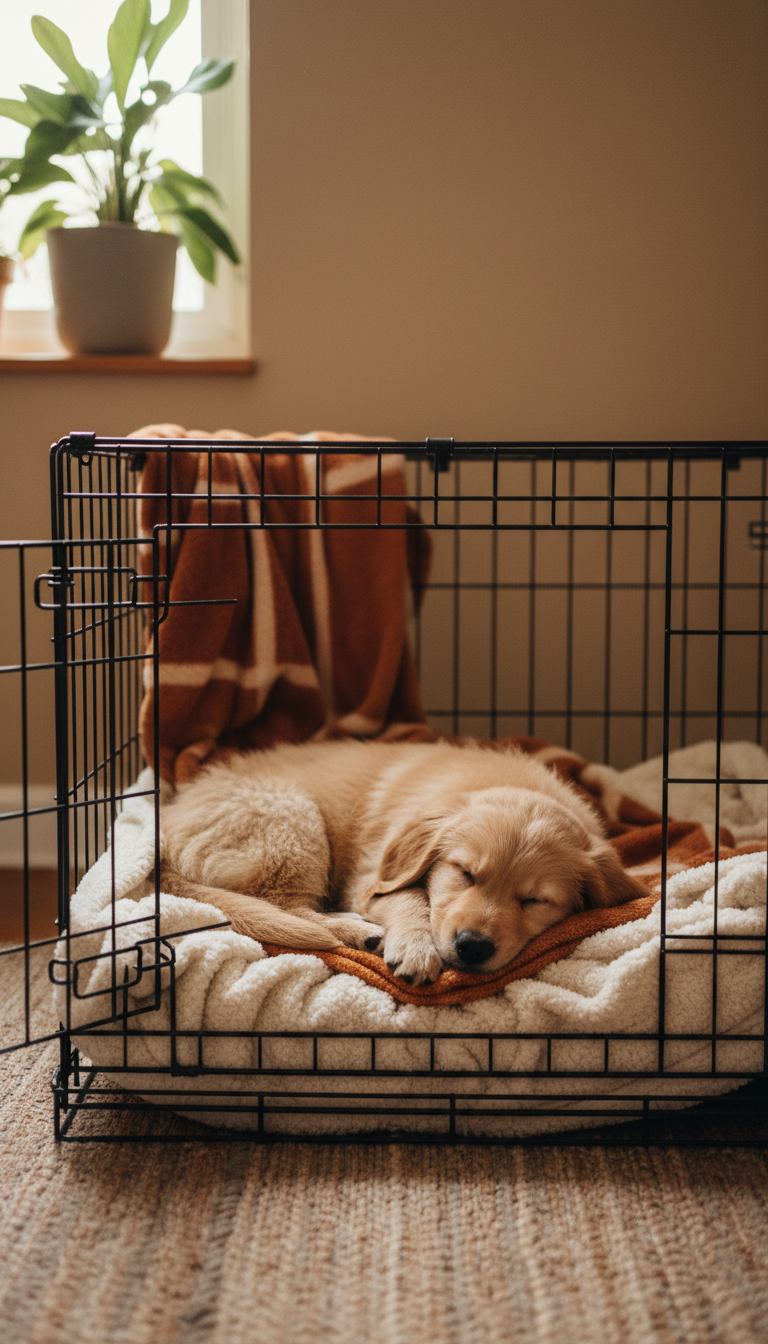
Once the neutral meeting is successful, the transition into your home requires a structured entry to avoid a territorial flare-up. When you arrive back at your property, keep the resident dog inside the house while you allow the puppy to explore the backyard on their own. This allows the newcomer to relieve themselves and familiarise themselves with the outdoor scents without pressure. After ten minutes, swap them; bring the puppy into a secure crate or separate room and let the resident dog into the yard to investigate where the puppy has been. This scent mapping within the home territory helps the older dog process the change calmly before they occupy the same room.
Managing your expectations when you introduce puppy to existing dog is essential for a calm household. Professional trainers often refer to the 3 3 3 rule for new arrivals. In the first three days, a puppy is often overwhelmed and may shut down or act out. It takes three weeks for them to learn your routine and three months to truly feel they belong. During these initial 24 hours, focus on short, supervised bursts of interaction rather than constant access. Aim for five to ten minutes of calm coexistence before separating them again.
Puppies lack a natural off switch and will frequently overstimulate an older dog until a conflict occurs. To prevent this, implement forced naps. For every hour of activity, the puppy should have approximately two hours of quiet time in a crate or exercise pen. This structured rest prevents the puppy from becoming overtired while giving your older dog a much-needed reprieve from the puppy’s energy. For detailed scheduling templates to manage these first few days, our complete online puppy course provides a practical breakdown. If the transition feels particularly rocky, you can contact our training team for immediate support.
Introducing a Puppy to a Dominant or Jealous Dog
Managing the initial transition becomes more complex when your resident dog exhibits strong personality traits. When owners search for ways of introducing a new puppy to a jealous dog, they are typically describing a disruption in routine or a form of resource guarding focused on the owner’s attention. Dogs value predictability; the sudden presence of a puppy can make an older dog feel that their access to you is under threat. To counter this, provide your existing dog with one-on-one attention in a separate area where the puppy cannot interfere. This preserves your bond and signals that the puppy’s arrival does not mean their own needs will be ignored.
To further stabilise the household, maintain a clear sense of order. Feed your resident dog first and ensure they receive their treats before the puppy. This simple act of hierarchy management reduces friction and reassures the older dog of their standing. It is about reinforcing the existing dog's security rather than punishing the puppy.
If you need to introduce a puppy to a dominant dog, your focus must remain on slow, highly controlled movements. A dog with a dominant temperament may feel a greater responsibility to correct a puppy’s lack of manners, which can lead to over-correction. Keep sessions short and always end on a positive note before either dog becomes frustrated. It is vital that you never leave the two alone together without supervision until several months of trust have been established. Even a dog that seems tolerant can react if a puppy suddenly jumps on them while they are sleeping. For those managing challenging personality types, our complete online puppy course offers advanced strategies for multi-dog management. If you are concerned about your dog’s intensity during these introductions, please contact our training team for professional guidance.
Long Term Harmony: Training Both Dogs Simultaneously
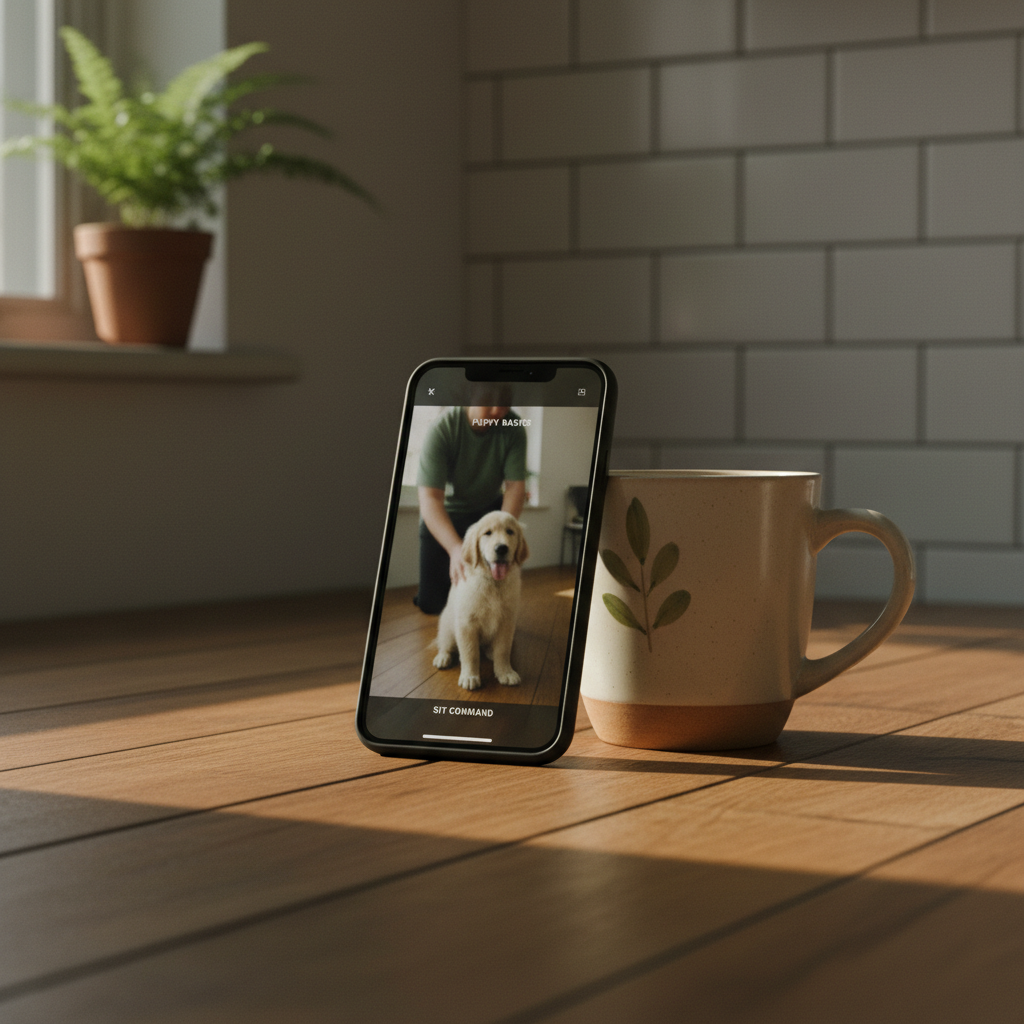
Long term success hinges on your ability to transition from managed separation to active cooperation. Parallel training is the most effective method for this. This involves working with both dogs simultaneously in the same room, rewarding them for remaining calm and focused on you despite the other dog's proximity. By rewarding peaceful coexistence, you teach them that the presence of the other dog is a cue for positive reinforcement rather than a signal for chaos.
Attempting to take two dogs to a physical training facility in Australia can be a logistical nightmare, often resulting in more stress than learning. This is why our complete online puppy course is designed for your own living room. You can work at your own pace, ensuring both the puppy and the older dog feel safe in a familiar environment. Our curriculum focuses on high stakes skills like 'settle' and 'leave it', which are essential when you introduce puppy to existing dog. The 'settle' command teaches the puppy to relax while the older dog eats or rests, while 'leave it' prevents them from pestering the older dog's personal space. If you find one dog is progressing faster than the other, you can contact our training team for strategies on balancing their individual needs. Consistent, home based training ensures that the initial introduction grows into a lifetime of mutual respect.
Introducing a new puppy to your adult dog is a journey that requires patience, supervision, and plenty of positive reinforcement. While these steps provide a solid foundation for a peaceful household, every dog pair is unique. If you find yourself needing more structured support or want expert help to ensure your pets bond successfully, you can explore our Course for comprehensive training guidance. Our professional methods help you navigate these early stages with confidence, making the transition smoother for every member of your furry family.