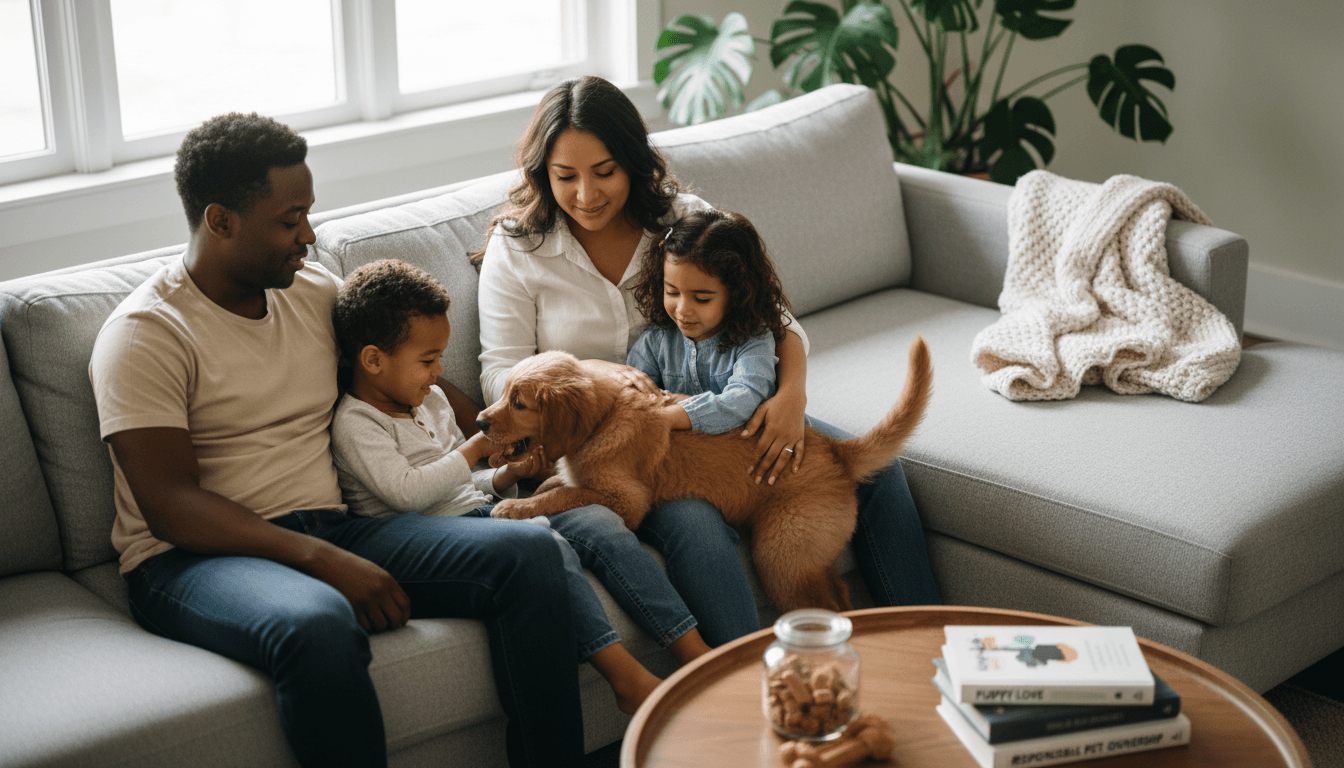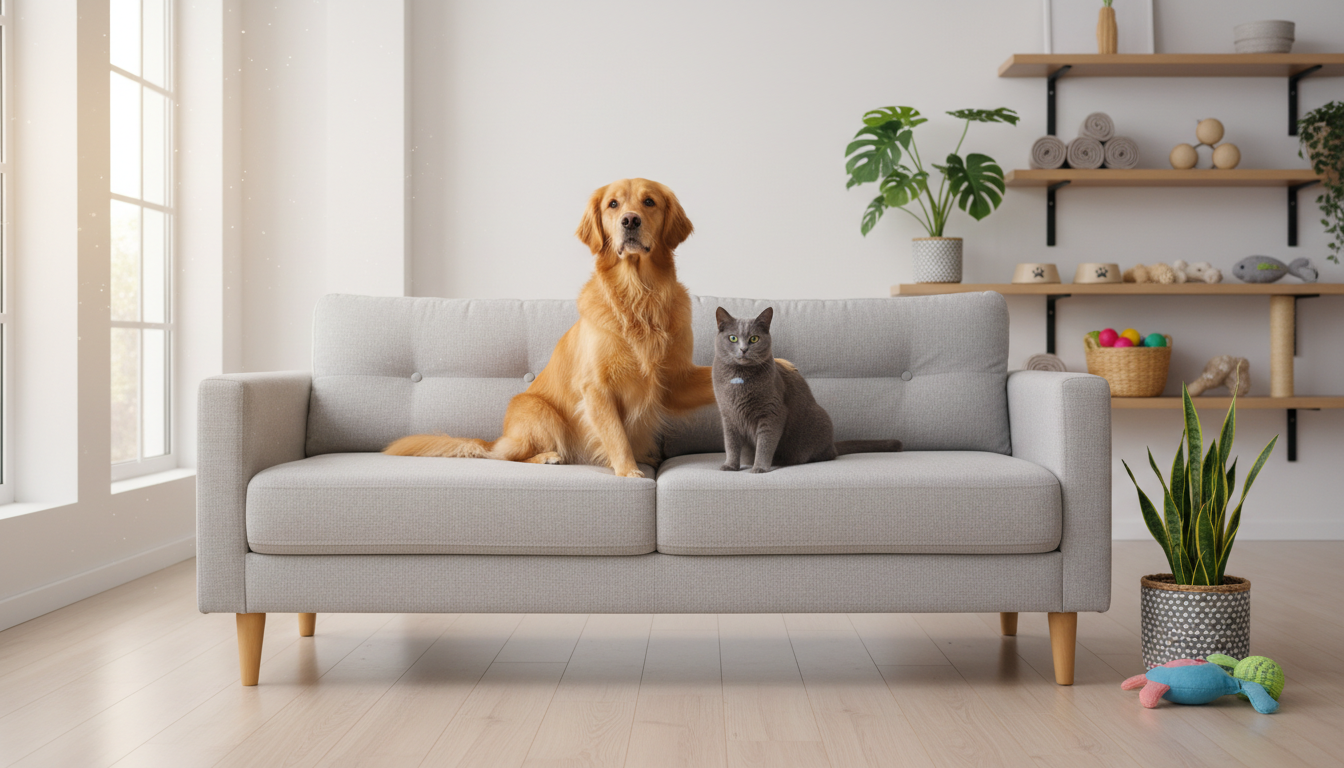
To successfully introduce puppy to cat, you should follow a gradual process involving scent swapping, visual contact through barriers, and supervised face-to-face meetings. Ensure the puppy remains on a leash during initial physical interactions while providing the cat with plenty of high escape routes to feel secure. This slow approach, combined with positive reinforcement for calm behavior, helps create a stress free environment for both pets.
Bringing a high energy puppy into a home already ruled by a resident cat often feels like a recipe for domestic disaster. You likely envisioned peaceful afternoon naps; however, the reality frequently involves a stressed feline hiding under the sofa and a puppy who views every tail flick as an invitation to chase. These initial interactions are critical because a botched introduction can lead to months of territorial tension or even physical injury. To ensure your Australian home remains a sanctuary for both pets, you must prioritize a structured, gradual approach that respects feline boundaries. This guide provides an expert roadmap for success. You will learn how to manage scent swapping, utilize visual barriers effectively, and implement controlled on leash sessions. We also cover the essential 3-3-3 rule and provide a clear recovery plan for those moments when your puppy’s prey drive takes over.
The Golden Rule: Moving at the Speed of Your Cat
Bringing a new puppy home is an exciting milestone, but for your resident cat, it is a significant disruption to their established territory. While puppies are often desperate to engage and play, cats are sensitive creatures that prioritise safety and predictability above all else. When you introduce puppy to cat, the ultimate measure of success is not necessarily an immediate friendship; rather, it is achieving a state where your cat feels secure enough to remain in the same room without feeling the need to flee or hide.
At Online Puppy School, our philosophy is that a well trained, calm puppy is the greatest gift you can provide to your feline companion. A dog that understands boundaries and impulse control is less likely to trigger a cat's flight response. In an Australian context, where many households manage cats with both indoor and outdoor access, bringing a puppy into the mix requires a deliberate shift in home boundaries. You must ensure the cat maintains their freedom of movement while the puppy learns to respect their space. Our comprehensive online training course provides the essential foundations for this restraint. If you have specific concerns about your pet's temperament, you can always contact our team for expert guidance. Success depends entirely on moving at the speed of your cat.
Preparing Your Australian Home for a New Arrival

Before the puppy steps paw inside, your home requires a 'Cat-First' reconfiguration. This preparation ensures your resident cat retains a sense of ownership over their territory while you manage the initial physical boundaries. To safely introduce puppy to cat, your physical environment must act as a silent mediator.
Australian homes often feature open-plan designs where hallways and doors are minimal. Because you cannot always just 'close a door' to separate pets, you must create artificial boundaries. High-quality baby gates are essential; specifically, look for models with a small built-in cat door. These allow your cat to pass through to their safe zones while physically blocking a curious or over-excited puppy.
Safety Feature | Purpose |
|---|---|
Vertical Escape Routes | Cat trees or wall shelves that allow the cat to stay above the puppy's eye level. |
No-Go Zones | Areas blocked by baby gates where the puppy is never allowed to enter. |
Elevated Observation | Clear space on sturdy furniture that allows the cat to watch the puppy from a distance. |
Establish these vertical escape routes in every shared living space. If a puppy becomes too intense, a cat’s natural instinct is to move upward. Providing dedicated cat trees or clearing space on sturdy shelves prevents the cat from feeling cornered on the floor.
Crucially, move your cat's resources, such as food bowls and litter trays, to these puppy-proof areas at least three weeks before the puppy arrives. Shifting these essentials at the same time the puppy appears creates unnecessary double-stress for your cat. Taking these steps early makes it much easier for the cat to adjust to the new household dynamic. If you are unsure how to layout your specific floor plan to accommodate both pets, you can always contact our team for tailored advice.
Step One: Scent Swapping and the Invisible Introduction
Long before any visual contact occurs, the most critical introductions happen through the nose. For a resident cat, scent is a primary survival tool used to identify allies and potential intruders. Scent swapping allows your cat to process the presence of a new animal without the physical threat of a bouncy, uncoordinated puppy. This invisible introduction is the most effective way to help a scared cat; it provides the sensory data they need to feel secure in their own territory before a face to face meeting occurs.
To begin, perform a scent swap by exchanging bedding between the two pets. A puppy’s bed carries their unique chemical signature, which the cat can investigate at their own pace in a safe environment. You can also create a scent cloth by gently rubbing a soft, clean fabric on the puppy’s cheeks, where their scent glands are most active. Place this cloth near your cat’s food bowl or favourite sleeping spot. By associating the puppy’s scent with high value rewards like meals, you begin to build a positive neurological link for the cat.
Scent Method | Implementation | Objective |
|---|---|---|
Bedding Swap | Exchange blankets or beds every 24 hours. | Familiarise pets with general background scents. |
Scent Cloth | Rub puppy's cheeks and place near cat's food. | Build positive associations with the new smell. |
Room Swapping | Allow pets to explore each other's empty zones. | Experience scent in a full environmental context. |
If your cat displays signs of distress, such as hissing at the cloth or hiding, simply move the scent further away and proceed more slowly. For those needing extra support during this delicate phase, our comprehensive online training course offers deeper insights into pet communication. This stage ensures that when the puppy finally appears, they are already a familiar part of the household's sensory landscape.
Step Two: Visual Contact Through Barriers
Once your cat is comfortable with the puppy’s scent, you can progress to visual introductions. This stage uses a physical barrier, such as a baby gate or a glass sliding door, to allow both animals to see each other without the risk of physical contact. This setup is particularly effective for the open plan layouts common in Australian homes, where a glass door to a veranda or a gated hallway provides a clear line of sight while maintaining safety.
The primary goal when you introduce puppy to cat visually is to prevent the puppy from fixating. In our comprehensive online training course, we emphasise the 'Look at Me' command as a foundational tool for impulse control. You want your puppy to acknowledge the cat’s presence and then immediately turn their attention back to you for a high value reward. This teaches the puppy that calm engagement with the owner is more rewarding than staring at the cat.
Puppy Behaviour | Status | Recommended Action |
|---|---|---|
Glances at cat then looks at owner | Success | Reward immediately and provide calm praise. |
Stares intently but remains quiet | Neutral | Use 'Look at Me' to break the stare; keep sessions short. |
Lunging, barking, or whining | Not Ready | Increase distance or return to scent swapping. |
If the puppy is lunging or barking at the gate, they are not ready for step three. These behaviours indicate that the puppy’s arousal levels are too high to safely manage a face to face meeting. A puppy that cannot disengage from a barrier will likely chase the cat once that barrier is removed. If you find your puppy struggling to remain calm at this stage, you can contact our team for specific troubleshooting advice.
Step Three: Controlled On-Leash Interaction

When your puppy can remain calm behind a barrier, it is time for the first shared space interaction. This stage is about controlled proximity, ensuring the puppy learns that the cat is a neutral part of the environment rather than a toy or a target. To safely introduce puppy to cat face-to-face, you must have your puppy on a short, fixed leash. Avoid retractable leads; they do not offer the precision needed to stop a sudden lunge.
Place your puppy in a 'Sit' or 'Down' position before the cat enters the room. It is vital that the cat has complete freedom of movement and multiple clear exit paths. Never attempt to hold the cat in your arms or restrain them in a carrier during this meeting. If the cat feels cornered or threatened, their natural instinct is to climb or claw their way to safety. Holding a panicking cat often results in serious scratches or bites to the owner, which creates a negative association for everyone involved.
Interaction Element | Requirement | Reason |
|---|---|---|
Puppy Position | Fixed Sit or Down | Prevents sudden movements and lunging. |
Cat Status | Unrestrained | Allows the cat to choose their own comfort level and escape if needed. |
Leash Length | Short (1-1.5 metres) | Provides maximum control for the handler. |
Implement the 'Three Second Rule' during these sessions. Allow the puppy to look at the cat for exactly three seconds, then immediately use a high value treat or your 'Look at Me' command to redirect their attention back to you. This technique prevents the puppy from reaching a state of over-arousal. By consistently rewarding the puppy for turning away from the cat, you reinforce the idea that you, not the cat, are the source of all rewards. If you struggle with your puppy’s focus, our comprehensive online training course provides specific drills to improve engagement under distraction. For personalised troubleshooting regarding your cat's specific reactions, you can always contact our team for professional support.
The 3-3-3 Rule for Dogs and Cats
Patience is your most valuable asset when you introduce puppy to cat. The 3-3-3 Rule provides a realistic roadmap for this transition, helping you manage expectations during the early stages of cohabitation.
Stage | Duration | Typical Behavioural Milestone |
|---|---|---|
Decompression | 3 Days | Both pets feel overwhelmed; the cat may hide while the puppy is over-stimulated by the new environment. |
Routine | 3 Weeks | Animals begin to accept the new household flow, boundaries, and the presence of the other's scent. |
Integration | 3 Months | Real trust builds; both animals feel secure enough to relax and sleep in shared spaces. |
In many Australian households, success does not necessarily look like your cat and dog cuddling on the sofa. For many cats, acceptance is defined by peaceful indifference. This means they feel safe enough to ignore the puppy and move freely through the home without fear. If your progress feels stalled at any of these milestones, our comprehensive online training course provides the tools to move forward. You can always contact our team if you need specific advice tailored to your pet's unique personality.
What to Do When the Puppy Chases the Cat
If your puppy successfully initiates a chase, the interaction has moved too quickly. This behaviour is often the primary reason owners feel their puppy and cat are not getting along, but it is typically a result of high arousal rather than true aggression. To manage this, you must prioritise calm interruption over punishment. Scolding a puppy for chasing can inadvertently create a negative association with the cat's presence, making the problem harder to solve.
A house line is your most effective tool for safe interruption. This is a thin, light leash with the handle removed so it does not snag on furniture. By letting the puppy drag this line indoors under supervision, you can calmly step on the lead to stop a chase the moment it begins. This allows you to regain control without the need for high-energy shouting or chasing the puppy yourself, which only adds to the excitement.
Tool | Purpose | Benefit |
|---|---|---|
House Line | Physical boundary | Stops the chase instantly without physical struggle. |
'Settle' Command | Mental reset | Directs energy away from the cat and toward the owner. |
High-Value Reward | Positive reinforcement | Rewards the puppy for choosing to ignore the cat. |
Stopping the physical movement allows you to redirect your puppy to a calm task, reinforcing that the cat is off-limits. This is a practical application of impulse control, a core pillar of our comprehensive online training course. Training your puppy to manage their excitement is essential when you introduce puppy to cat in a shared home. If you are struggling to curb your puppy’s chasing instincts, contact our team for expert support.
Successfully introducing a puppy to a resident cat requires patience, careful observation, and a commitment to gradual progress. While the process takes time, the reward of a peaceful multi-pet household is well worth the effort. If you find yourself needing more structured guidance or want expert help to navigate these early training milestones, our comprehensive Course provides step by step support for every stage of your puppy's development. Building a strong foundation now ensures a lifetime of harmony between your furry companions.