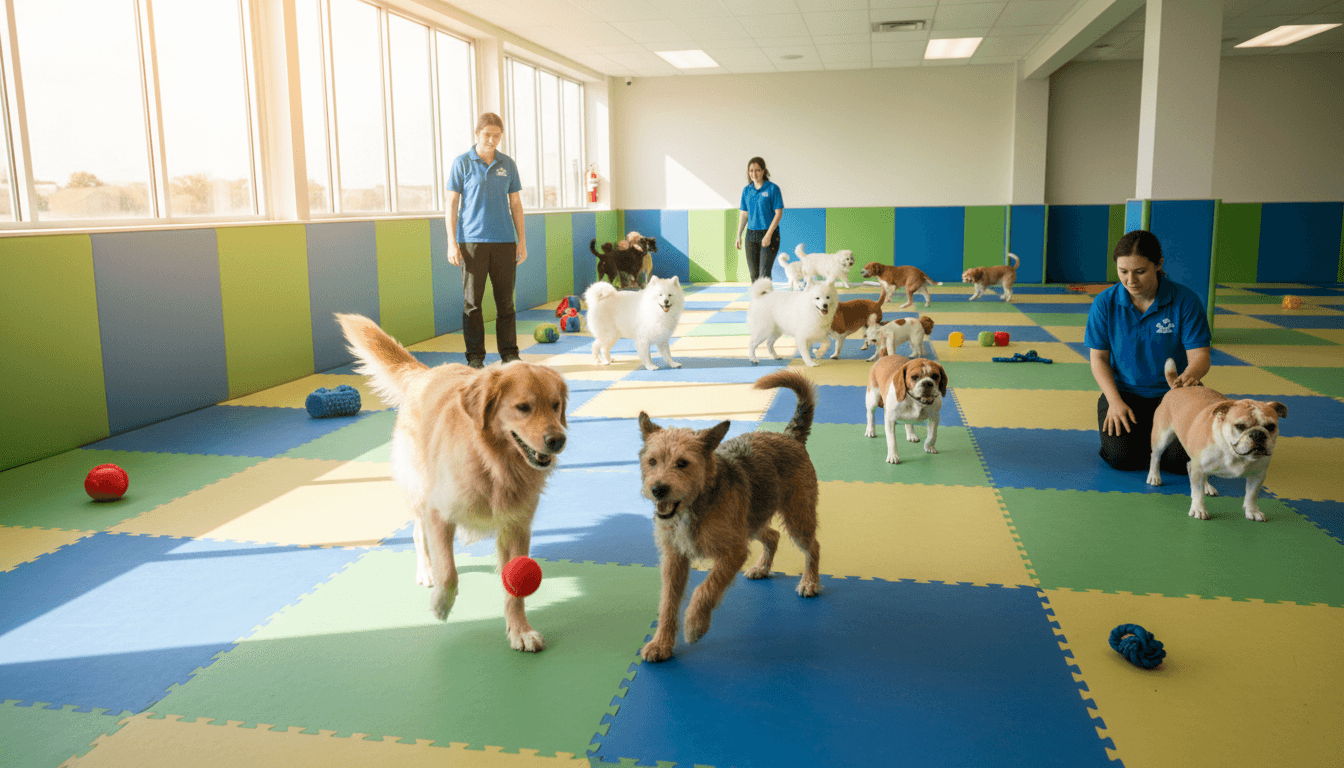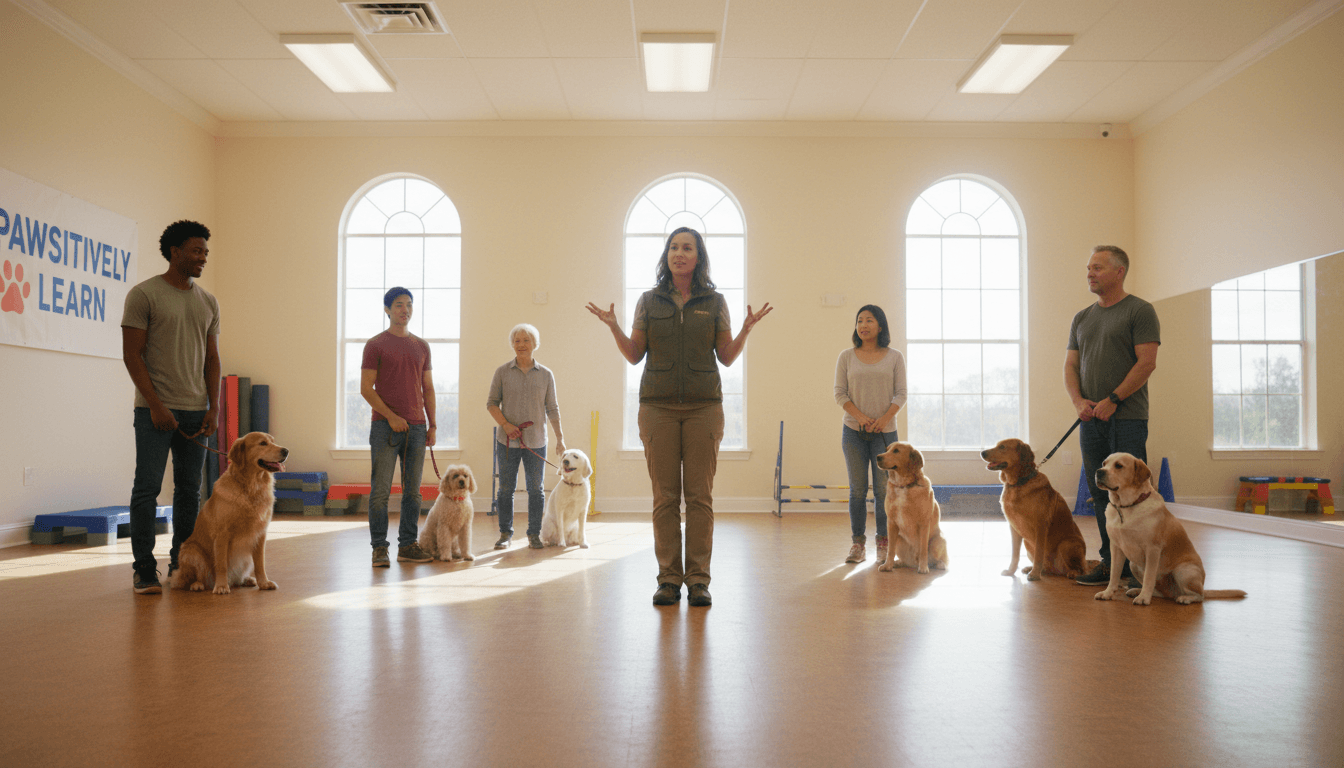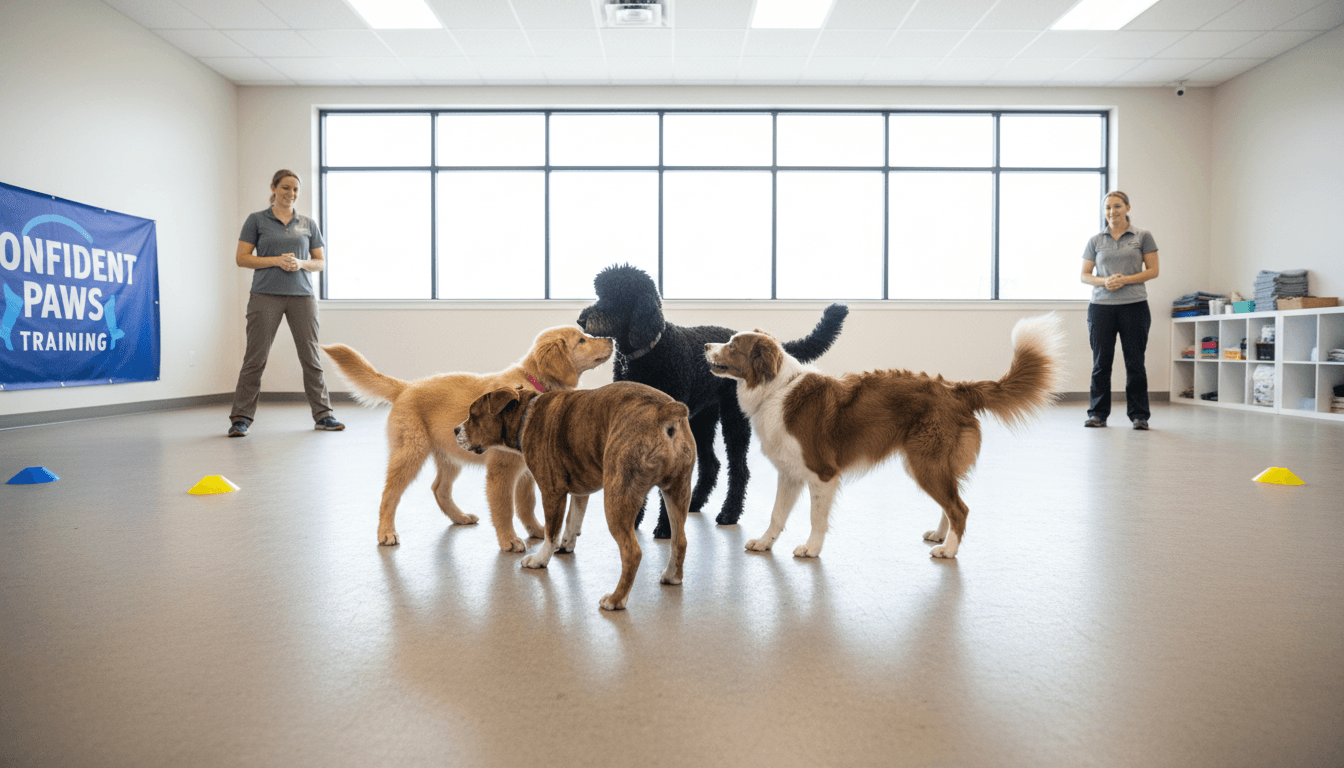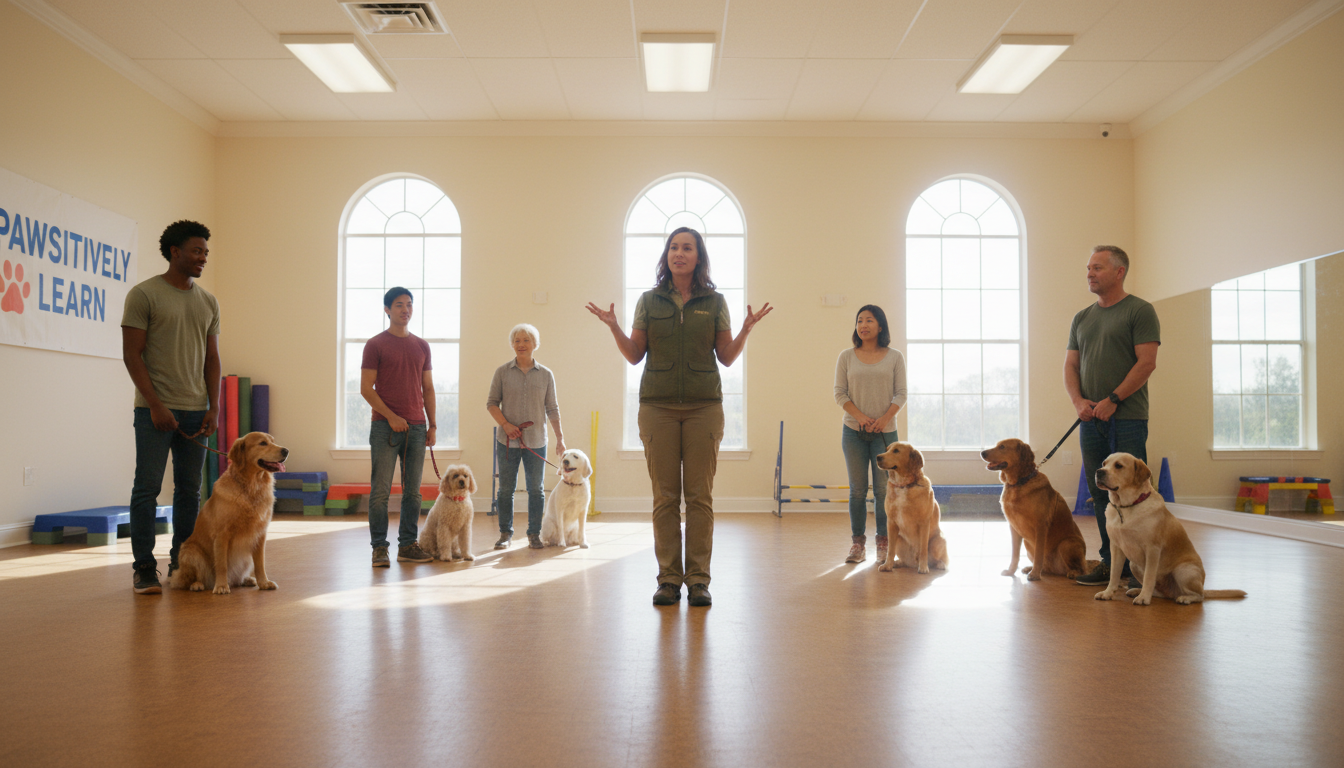
What happens in a puppy school class Australia typically includes structured socialization, basic obedience training, and practical lessons on handling and grooming. These sessions focus on building confidence through commands like sit, stay, and come while addressing common behavioral problems. Owners work alongside trainers to foster positive social skills and responsible pet ownership during the puppy's critical development period.
Walking into your first puppy school session in Australia often feels more stressful for the owner than the dog. You might be worried about your pup barking incessantly; perhaps you feel overwhelmed by the conflicting advice found online. This initial uncertainty is common, yet understanding the structured environment of a local class is essential for your dog's long term development. A well run session provides the foundation for a well adjusted adult dog by balancing social skills with vital discipline. In this guide, we will explore the typical Australian curriculum, from arrival protocols to core obedience milestones like the 10-10-10 rule. You will discover exactly what happens behind the training gates, how socialization is managed safely, and why many owners are now looking toward digital alternatives for a more tailored, stress free experience.
Understanding the Puppy School Experience in Australia
Puppy school is frequently misunderstood as a simple series of obedience drills. In reality, it represents a critical developmental window for puppies aged 8 to 16 weeks. During this phase, a puppy’s brain is uniquely receptive to new stimuli, making it the most influential period for shaping future behavior and temperament. While pet owners in major hubs like Sydney, Melbourne, or Brisbane often search for a local class, the underlying curriculum for what happens in a puppy school class Australia remains largely standardized across the country.
The focus goes beyond basic commands to encompass socialization, environmental exposure, and puppy training basics. Historically, these sessions occurred in person at veterinary clinics or local community halls; however, the landscape is shifting. Many Australian families now opt for a complete online training course for puppies to avoid the logistical hurdles of physical classes. Traditional vet-based sessions provide immediate physical presence, but online schools deliver the same core curriculum with significantly more flexibility. This modern approach allows owners to work through lessons in a low-distraction environment, ensuring the puppy remains focused on learning rather than becoming overwhelmed by a room full of energetic peers at a busy clinic.
Arriving for Your First Session: What to Expect
The transition from home to a structured training environment is a significant step for a young dog. Upon arrival, the primary objective is a controlled settling in period. Trainers prioritize helping puppies adjust to new sights and smells without becoming overstimulated; this helps manage owner anxiety and sets a professional tone for the session. For those attending physical sessions, you will typically need to present proof of your puppy’s first vaccinations to ensure a safe environment for the group.
To set your puppy up for success, you should prepare a specific puppy kit: - A standard flat collar. - A fixed short lead (avoid retractable leads, as they offer less control and can be hazardous in group settings). - Plenty of high-value treats, such as small pieces of boiled chicken or specialized training rewards. - A familiar mat or bed to serve as a designated "settle" spot.
Understanding what happens in a puppy school class Australia involves recognizing that the goal is a calm, low-stress environment. By arriving prepared with the right equipment and a relaxed mindset, you help your puppy focus on learning puppy training basics rather than reacting to the commotion of other dogs. This structured start provides the focus necessary to begin more complex tasks in the weeks ahead.
The Core Curriculum: A Week by Week Look Inside
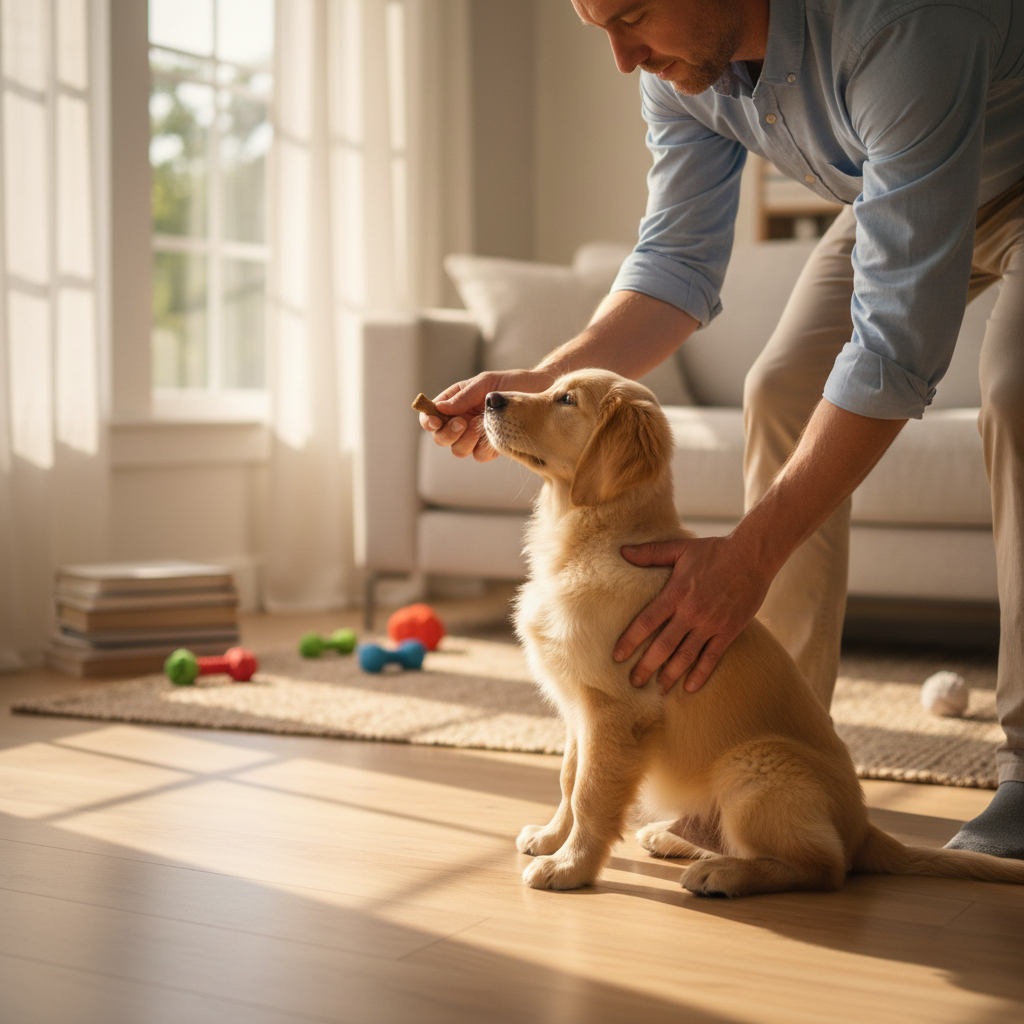
A structured curriculum ensures that both the owner and the puppy develop at a sustainable pace. Most Australian programs, including our complete online training course for puppies, organize learning into four distinct pillars: Socialization, Obedience, Life Skills, and Health. This holistic approach ensures that your puppy does not just learn to sit on command but grows into a well adjusted member of the community.
In Week One, the priority is establishing a connection. You begin with basic focus exercises, such as teaching the puppy to make eye contact when their name is called. This is the bedrock of all puppy training basics. On the health front, you practice gentle handling, which involves touching paws, ears, and teeth to prepare them for future vet visits or grooming sessions. This week sets the tone for clear communication.
By Week Two, the curriculum shifts toward functional positions like sit and drop. You also introduce essential life skills, such as settling on a designated mat. This is often the point where trainers introduce Australian specific safety discussions. Depending on your region, this may include advice on managing your puppy during high heat days to prevent dehydration or paw burns on scorching suburban pavements.
Week Three introduces duration and distance. This is when the stay command is taught, requiring the puppy to remain still while you take a few steps back. Socialization moves beyond simple presence; you learn to interpret your dog’s body language to ensure they are comfortable rather than overwhelmed. Training at this stage focuses on maintaining focus despite the distractions of a typical Australian household.
In Week Four, the focus turns to movement and environmental safety. You will begin practicing loose leash walking, which is often the most challenging skill for young dogs. To ground the training in the local environment, what happens in a puppy school class Australia often includes specific awareness training, such as leave it cues for potential hazards like snake encounters in rural areas or discarded food at local parks. This progression ensures your puppy transitions from simple focus to navigating the complexities of the Australian outdoors with confidence.
Socialization: More Than Just Playing

While many owners view socialization as a "free for all" play session, the reality of what happens in a puppy school class Australia is far more structured. Effective socialization is about quality over quantity; it involves supervised sessions where the focus is on teaching puppies how to read subtle canine body language. Instead of reckless wrestling, puppies learn to recognize when a peer is being playful or when they are asking for space. This controlled environment prevents the development of over-excitement or fearful retreats, which are often the roots of adult reactivity.
To provide a concrete framework for development, we recommend following the 7-7-7 rule. This requires your puppy to have positive encounters with:
7 types of people (such as toddlers, people wearing hi-vis gear, or those carrying umbrellas).
7 different walking surfaces (like crunchy gravel, slippery tiles, or wet grass).
7 unique sounds or objects (such as vacuum cleaners, lawnmowers, or flapping laundry).
Building this broad foundation of neutral experiences is essential for long-term confidence. A puppy that has been systematically exposed to various stimuli is much less likely to develop lunging or barking habits on suburban Australian streets when they encounter a cyclist or a neighbor’s bin on a windy day. This proactive approach to puppy training basics ensures your dog remains composed in the real-world scenarios covered in our complete online training course for puppies.
Basic Obedience and the 10-10-10 Rule
Once your puppy is comfortable in their environment, the curriculum shifts to establishing a reliable communication system through obedience. This is a central component of what happens in a puppy school class Australia, focusing on essential commands like sit, drop, stay, and recall. Reputable Australian trainers exclusively use positive reinforcement, which involves marking a desired behavior and following it with a high value consequence.
A common hurdle for new owners is differentiating between bribing and rewarding. A bribe is shown to the puppy to lure them into an action; it essentially says, "if you do this, I will give you that." A reward is a surprise that occurs after the behavior is completed. Understanding this distinction is vital for mastering puppy training basics, as it ensures the puppy listens because they have learned the command, not just because they see a treat.
To ensure these behaviors are reliable outside of a single room, we utilize the 10-10-10 rule:
10 Repetitions: Perform the command ten times in a row to build muscle memory.
10 Minutes: Keep training sessions short and focused to prevent mental fatigue.
10 Locations: Practice in ten different environments, such as the kitchen, the backyard, or a local park.
This framework is why a complete online training course for puppies is so effective; it encourages owners to generalize training across the actual environments where the puppy lives and plays, rather than relying on the specific context of a training hall.
Solving Common Puppy Problems: The Q&A Segment
Every session typically concludes with a dedicated troubleshooting period to address specific behavioral challenges that occur outside of formal drills. This segment is essential for translating puppy training basics into practical, real world solutions. Most owners prioritize advice on biting and mouthing, which are natural developmental stages that require consistent redirection techniques to prevent them from becoming permanent habits. We also focus heavily on managing the "witching hour," that period in the early evening when puppies often become overstimulated and hyperactive.
In an Australian context, these discussions often pivot toward local lifestyle needs, such as managing your puppy during backyard BBQ gatherings. Owners learn how to prevent their dogs from begging at the grill or jumping on guests near outdoor dining areas. We also emphasize the importance of crate training as a vital safety tool, particularly for keeping puppies secure during home maintenance or when visitors are frequently entering and exiting the property. This problem solving component is a core part of what happens in a puppy school class Australia. Our complete online training course for puppies replicates this expert support, ensuring you can address these specific household hurdles as they arise in your own environment.
The Benefits of Online Puppy School vs. In Person Classes

While the traditional view of what happens in a puppy school class Australia involves a group setting at a local clinic, this environment can be counterproductive for many temperaments. A shy puppy may spend the entire hour hiding under a chair, while a highly social one might become so frustrated by the leash that they cannot focus on their owner. Choosing a complete online training course for puppies removes these environmental stressors. Training begins in your living room, where your puppy feels safe, allowing them to actually process puppy training basics without the adrenaline spike caused by a room full of barking peers.
The logistics of a physical class also present challenges for the modern Australian household. Fixed schedules often clash with work commitments or family responsibilities, and if a session is missed, that curriculum is gone forever. An online format provides the flexibility to train whenever your puppy is most alert and you are most focused. Perhaps the greatest benefit is the ability to pause and re-watch a specific lesson. In a vet clinic, you might miss a trainer's subtle hand movement or a timing cue, but with digital access, you can refine your technique until it is perfect. This ensures your training remains consistent and successful in the long term.