You can learn how to socialise puppy safely before fully vaccinated by prioritizing interactions with known, healthy dogs in controlled settings like private homes or professional puppy classes. Avoid high-traffic public spaces where unvaccinated animals may linger; instead, focus on exposing your pet to new sounds, people, and surfaces to ensure they develop confidence during their early growth phase.
Bringing a new puppy home often triggers a frustrating conflict between two essential priorities. While your veterinarian emphasizes the dangers of parvovirus; dog behavior experts warn that the critical socialization window closes as early as sixteen weeks. This leaves many Australian owners feeling trapped by the advice to stay indoors; fearing that keeping their puppy safe from disease might inadvertently lead to a lifetime of anxiety or reactivity. At Online Puppy School; we advocate for a sophisticated; risk managed approach to early development. This guide bridges the gap between physical health and behavioral wellness. You will discover how to differentiate between socialization and habituation; learn how to facilitate safe encounters with vaccinated dogs; and receive a practical checklist designed for the Australian environment. Balancing safety with exposure is entirely possible when you have the right expert strategy.
The Critical Socialisation Window vs the Vaccination Timeline
Puppies experience a biological "sensitive period" for socialisation that occurs between 4 and 16 weeks of age. During this brief timeframe, their brains are uniquely flexible, allowing them to form positive associations with new people, animals, and environments. Once this window closes, they become naturally more cautious and suspicious of the unknown; this makes it significantly harder to build confidence later in life.
In Australia, a standard vaccination schedule typically requires three sets of injections given at 6 to 8 weeks, 10 to 12 weeks, and finally at 14 to 16 weeks. Because a puppy is not considered fully protected until roughly two weeks after their final booster, the timeline presents a paradox. The critical socialisation window often shuts before your puppy is medically cleared to roam public parks or sniff the pavement at the local café.
Research from the Australian Veterinary Association (AVA) highlights the urgency of this conflict. Data indicates that delaying socialisation until a puppy is fully vaccinated at 16 or 17 weeks can lead to lifelong behavioural struggles, including chronic fear and aggression. In fact, behavioural issues resulting from poor early socialisation are a leading cause of rehoming and euthanasia in young dogs.
Balancing health risks with developmental needs is essential. Understanding puppy training basics involves learning how to socialise puppy safely before fully vaccinated without compromising their immunity. By utilising a comprehensive online training course for puppies, owners can navigate this period effectively, ensuring their dog receives the necessary exposure while staying protected from environmental pathogens.
Socialisation vs Habituation: Why Both Matter for Your Puppy
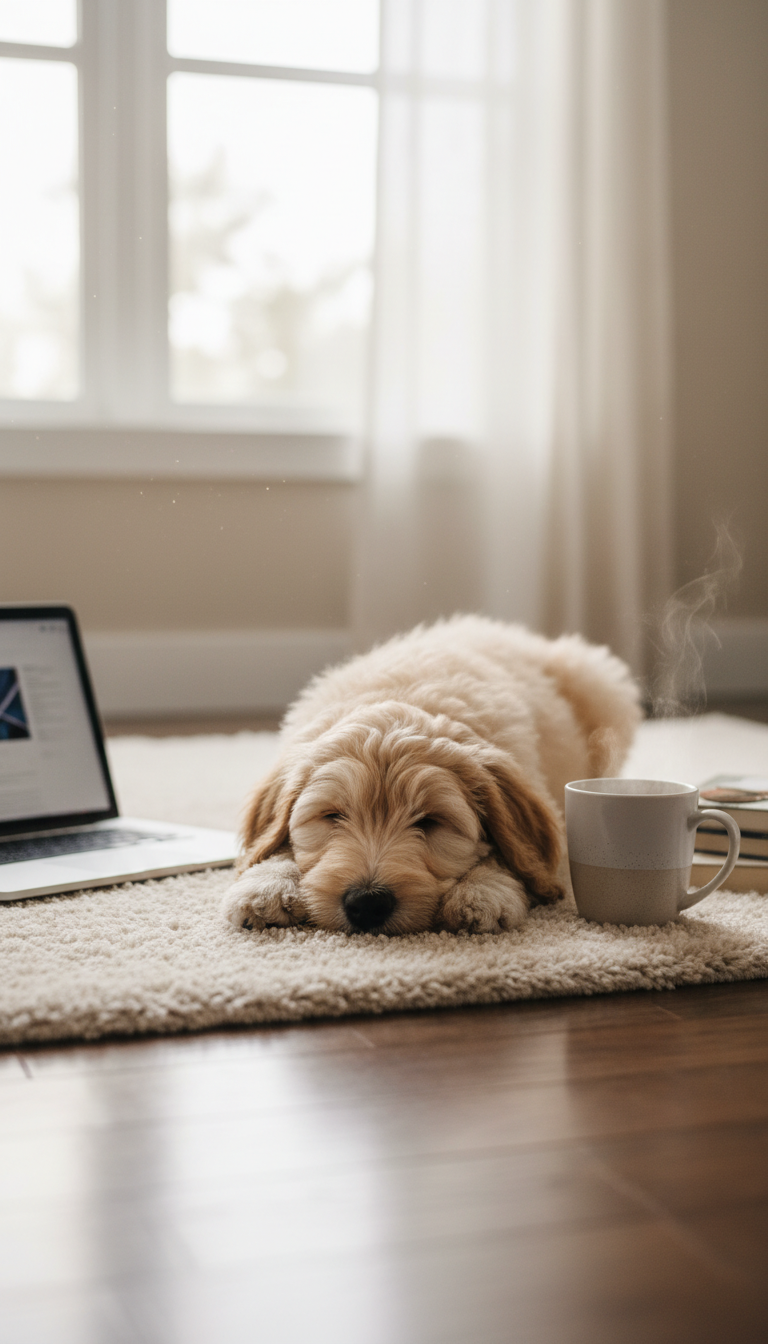
To navigate this period effectively, owners must distinguish between socialisation and habituation. According to the Australian Veterinary Association (AVA), socialisation is the process where a puppy learns to recognise and interact with other living beings, including different types of people, other dogs, and various animals. Habituation, conversely, involves the puppy becoming accustomed to non threatening environmental stimuli until they are neutral background noise.
Habituation is a particularly powerful tool for those wondering how to socialise puppy safely before fully vaccinated, as it can often be achieved from the safety of your living room or backyard. It involves exposing your pup to sensory experiences that are uniquely Australian, such as the rhythmic drumming of heavy rain on a tin roof, the warble of magpies, or the distant hum of a lawnmower.
By focusing on habituation, you can desensitise your puppy to household items like vacuum cleaners and hair dryers, as well as various floor textures like cold tiles and scratchy rugs, without any risk of disease transmission. This foundational work ensures that when your puppy finally finishes their vaccination schedule, they are already unfazed by the common sounds and sights of the world, leaving them with more mental energy to focus on puppy training basics. Balancing both concepts is a key pillar of a comprehensive online training course for puppies designed for the modern Australian home.
How to Socialise a Puppy Who Is Not Fully Vaccinated
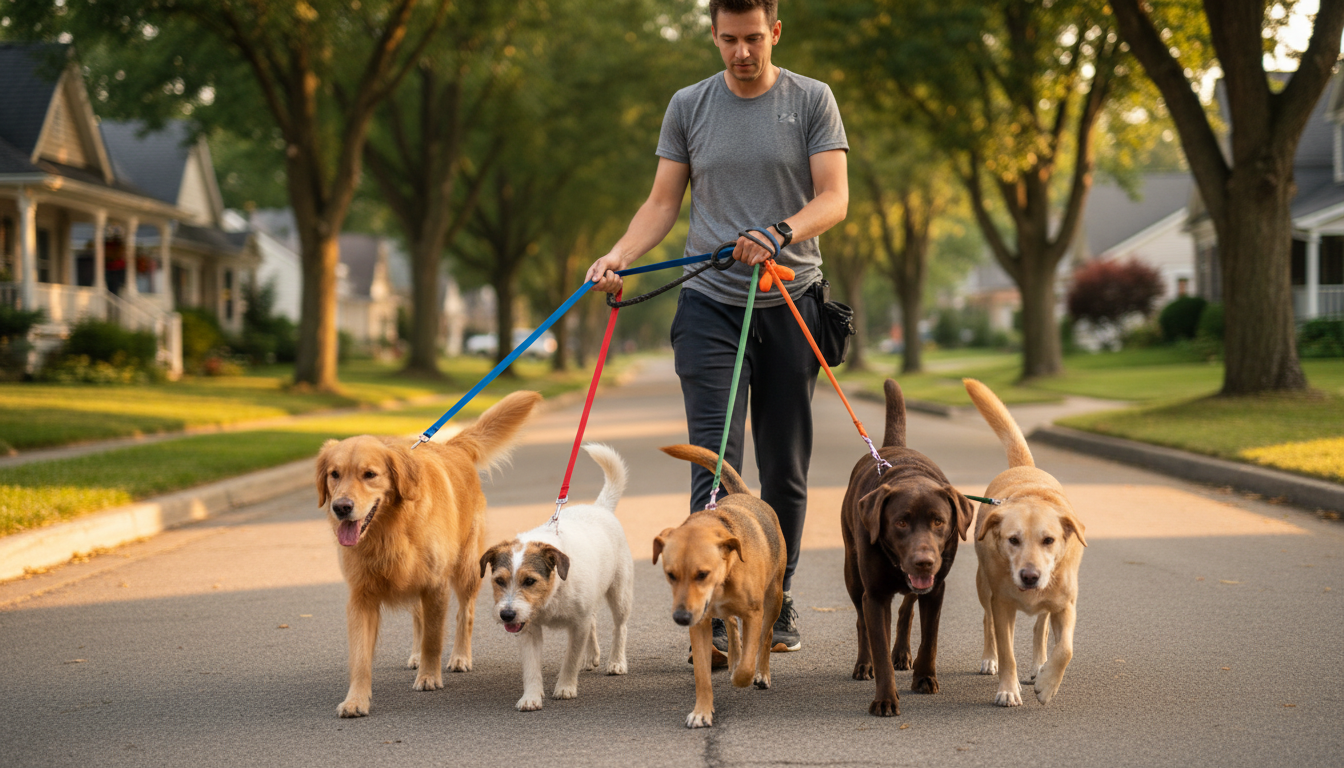
Navigating the weeks before that final vet clearance requires a proactive approach to risk management. You do not need to wait for full immunity to begin introducing your dog to the world; you simply need to change the way they experience it. By adopting specific safety protocols, you can ensure your pup gains confidence without exposure to environmental pathogens.
One of the most effective strategies is the "Pavement is Lava" rule. In public spaces where unknown dogs may have been, such as local footpaths or shopfronts, your puppy’s feet should never touch the ground. Carrying your puppy in your arms, using a specialised puppy sling, or even placing them in a pram allows them to absorb the sights and smells of a busy Australian street without the risk of contracting Parvovirus from contaminated soil. This method provides the visual and auditory stimulation they need while keeping their paws safely away from potential infection sites.
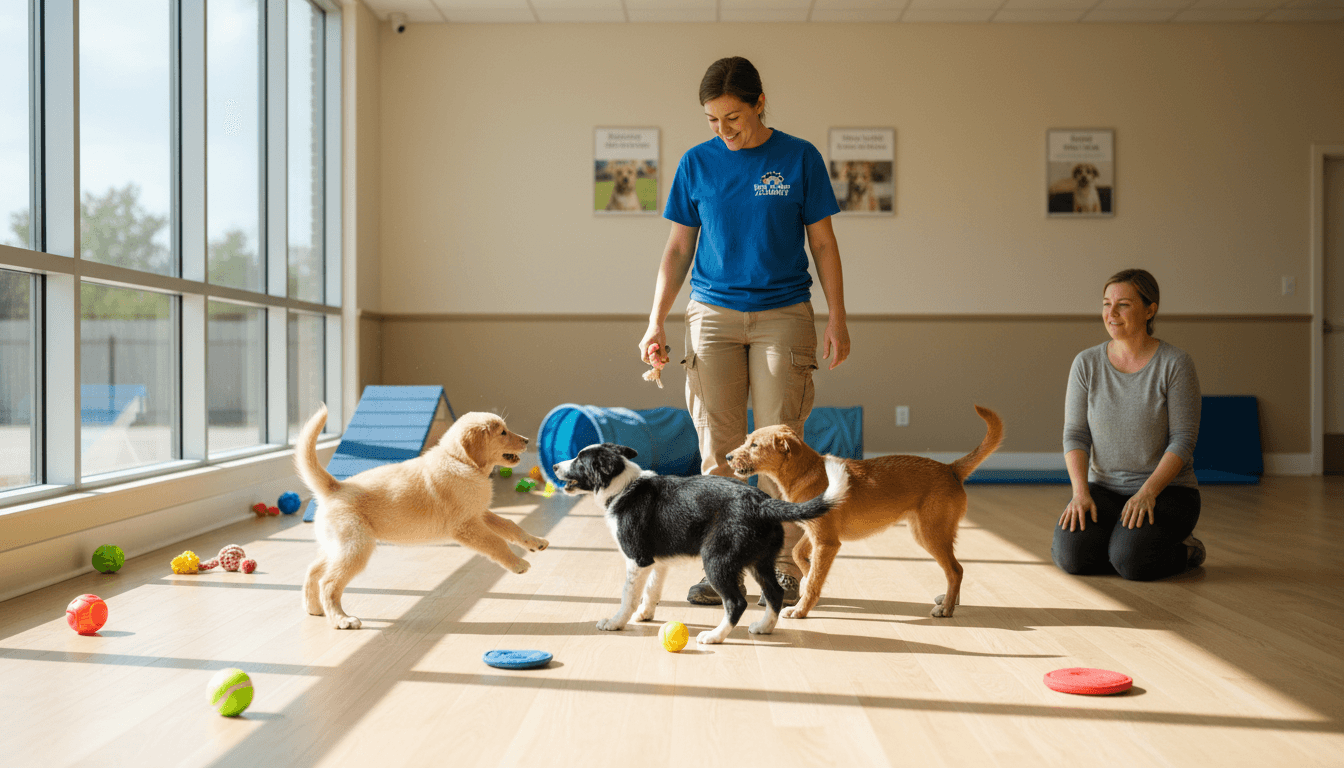
Many owners wonder if a puppy can be around other dogs during this period. The answer is yes, provided the interaction is strictly controlled. You can invite healthy, fully vaccinated adult dogs to your own fenced backyard for a playdate. This allows your pup to practice puppy training basics like social cues and body language with a balanced mentor. It is vital that the visiting dog is not only up to date with their boosters but also has a gentle temperament suited to young puppies.
For broader environmental exposure, car "watch parties" are an excellent tool. Park your car at a safe distance from a local dog park or a busy sports field. Sit in the boot with your puppy on a lead and simply let them watch the activity from afar. This provides high-value observation of cyclists, children, and other animals without any physical contact or risk of disease transmission.
Finally, use your own property to build tactile confidence through surface exposure. Let your puppy walk on grass, gravel, wooden decking, and tiles within your yard. Learning to navigate different textures in a controlled environment prevents future hesitation when they eventually encounter these surfaces in public. Implementing these practical steps is a core part of a comprehensive online training course for puppies, ensuring you know how to socialise puppy safely before fully vaccinated while maintaining a focus on their physical health.
Meeting Other Dogs: The Unvaccinated Puppy and Vaccinated Dog Dynamic
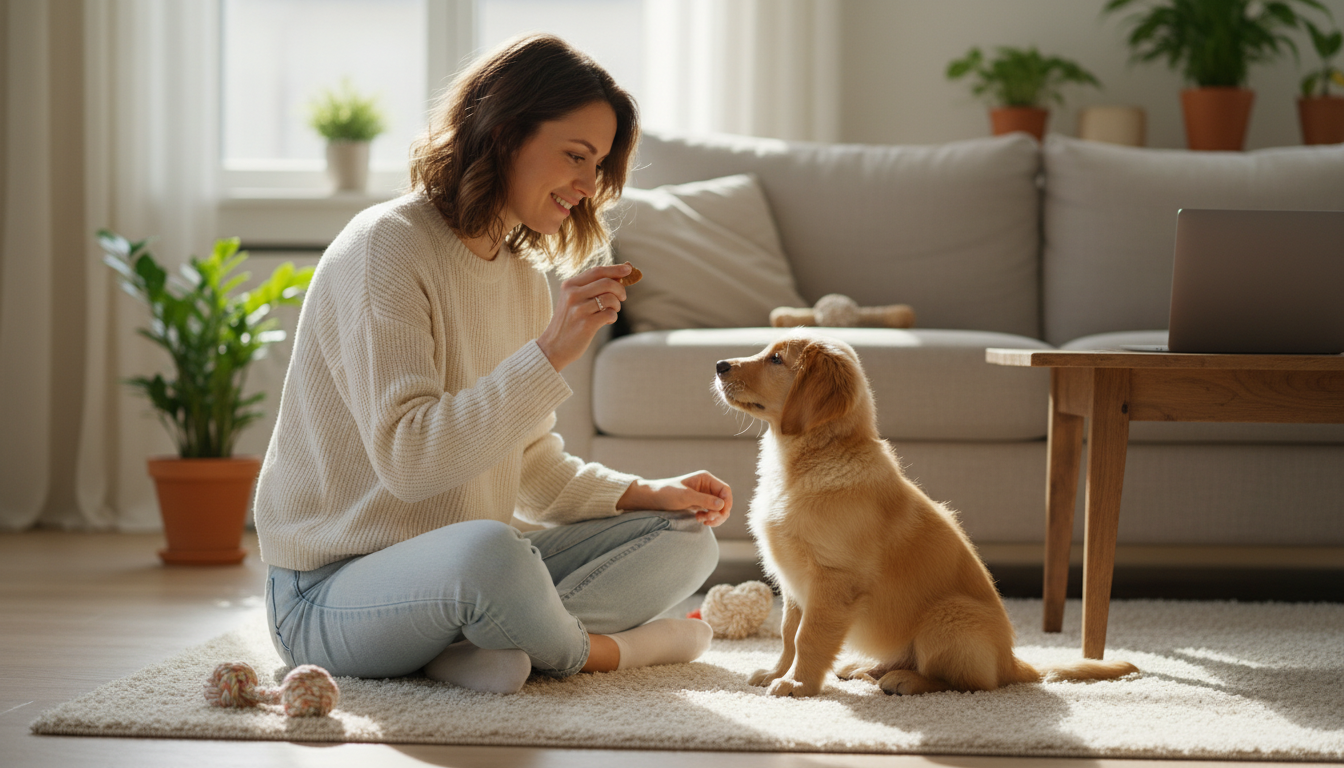
Facilitating a meeting between an unvaccinated puppy with vaccinated dog requires more than just checking a medical record; it demands a carefully controlled environment. To mitigate the risk of infectious diseases like Parvovirus, which can persist in the soil of public parks for several years, these initial meetings must always take place in a private, fenced yard. This controlled setting ensures your puppy is not exposed to high-traffic zones where unknown or potentially sick animals may have been.
While physical health is the medical baseline, the temperament of the adult dog is the behavioural baseline. A single negative experience during this sensitive window can be just as damaging to your puppy’s development as a physical illness. It is essential that the adult mentor is known for being calm, patient, and tolerant of clumsy puppy energy. If the adult dog is too rambunctious or reactive, your puppy may associate other dogs with fear rather than fun, creating a long-term social deficit.
Understanding these nuances is a vital part of learning how to socialise puppy safely before fully vaccinated. By prioritising safe, high-quality interactions, you reinforce puppy training basics without unnecessary risk. For owners seeking a step-by-step framework for these introductions, a comprehensive online training course for puppies offers the specific protocols needed to ensure every social encounter remains a positive building block for your dog's future.
The Risks of Waiting: Why the 'Keep Them Inside' Advice is Outdated
The historical recommendation to keep a puppy strictly indoors until sixteen weeks was largely based on the limitations of older vaccines, which were less effective at overcoming maternal antibodies. Today, modern veterinary medicine in Australia has advanced significantly. High quality vaccines now provide earlier protection, which allows for a necessary re-evaluation of the balance between physical health and psychological development.
While the fear of infectious disease is valid, the statistical reality is sobering. Research indicates that dogs are far more likely to be surrendered to shelters or euthanised due to preventable behavioural problems, such as extreme fear or aggression, than they are to die from a disease contracted during managed outings. When owners focus solely on isolation, they inadvertently create a behavioural vacuum that is exceptionally difficult to fill once the critical window closes.
At Online Puppy School, we view this period as a matter of risk management rather than complete risk avoidance. Learning how to socialise puppy safely before fully vaccinated is the most effective way to prevent future reactivity. By following a structured approach to puppy training basics, you can expose your dog to the world without exposing them to danger. A comprehensive online training course for puppies provides the specific strategies needed to navigate these early weeks with confidence, ensuring your dog grows into a stable, well-adjusted adult.
Australian Puppy Socialisation Checklist
To ensure your puppy becomes a confident adult, aim to provide a wide variety of positive encounters before the 16 week mark. This checklist focuses on common Australian environmental factors that help you master puppy training basics while staying within your safe zone.
People and Appearance: Introduce your puppy to family members or visitors wearing broad-brimmed hats, sunglasses, high-vis workwear, and bulky raincoats.
Community Movement: Use your front gate or a window to observe cyclists, children playing on scooters, and neighbours wheeling out yellow-lidded bins.
Physical Handling: Gently handle their paws to mimic nail trims; look inside their ears, lift their lips to check teeth, and run your hands down their tail.
Household Sounds: Safely expose them to the hum of lawnmowers, hair dryers, and the specific rumble of a vacuum cleaner.
Surface Variety: Encourage them to walk across different textures including cool laundry tiles, wooden decking, lino, and crinkly plastic tarps.
Each milestone is a vital step in learning how to socialise puppy safely before fully vaccinated. By following a comprehensive online training course for puppies, you can systematically tick off these experiences using a structured, home-based curriculum that eliminates the risks associated with public spaces.
Why Online Puppy School is the Safest Choice for Early Training
Choosing an online format directly addresses the conflict between early development and medical safety. While traditional in-person classes provide interaction, they often carry hidden risks; shared flooring and concentrated groups of young dogs can lead to hygiene lapses that compromise a vulnerable immune system. By enrolling in a comprehensive online training course for puppies, you eliminate these physical risks entirely. You can master puppy training basics and learn exactly how to socialise puppy safely before fully vaccinated within your own controlled, sterile environment.
Our Australian-based program is specifically tailored to the local lifestyle, ensuring you prepare your pup for the specific sights and sounds they will encounter in our unique climate. The at your own pace structure allows you to repeat lessons as your puppy’s confidence grows, rather than feeling pressured by a strict one-hour weekly window. This flexible approach ensures your puppy is never overwhelmed, providing a professional foundation for their future while keeping their health the top priority.