To teach puppy to be handled grooming vet checks, start early by using positive reinforcement to reward your pet for staying calm during gentle touches on their paws, ears, and mouth. Gradually introduce grooming tools and practice standing on elevated surfaces to mimic professional environments; this builds trust and reduces anxiety during future appointments.
There is nothing more stressful than wrestling a wiggly, nipping puppy while trying to trim their nails or sitting through a tense vet exam where your dog is clearly terrified. These moments often lead to lifelong fears that make essential care a chore for everyone involved. Establishing a foundation of calm handling is about more than just convenience; it is the cornerstone of your puppy's well-being and long term health. In this guide, we will explore the principles of cooperative care to transform these high pressure events into positive experiences. You will learn how to master the start button chin rest, desensitise your puppy to the sounds of clippers, and simulate home vet checks to ensure your Australian pup remains confident and relaxed during every professional visit.
The Importance of Handling Training for Australian Puppies
Early handling training is the cornerstone of a well adjusted adult dog. In Australia, an increasing number of veterinary clinics and professional groomers are adopting 'Fear Free' and 'low stress' handling protocols. These experts recognize that a puppy’s emotional state during an exam is as vital as the medical outcome itself. Learning how to teach puppy to be handled grooming vet checks and physical exams early on ensures they remain manageable and relaxed as they grow into powerful adults.
Consider the difference between a dog that must be physically restrained or sedated for a simple nail trim and one that remains calm and cooperative. This disparity often dictates how frequently an owner seeks professional care, directly impacting the dog's long term health and well being. Many Australian practitioners now advocate for these gentle methods because they prevent the development of fear based aggression in the clinic or salon.
Effective training is not about forcing a puppy to submit or merely making them tolerate touch. Instead, it is about building a language of trust. At Online Puppy School, we focus on the relationship between you and your dog rather than simple compliance. By following our complete online puppy training course, you are teaching your puppy that their body is respected. This creates a predictable environment where the puppy understands what is happening, providing the foundation for the concept of cooperative care.
What is Cooperative Care and Why It Works
Cooperative care is a training framework built on mutual consent and communication. It transforms grooming and medical exams from something done to your dog into something done with your dog. At its core, this approach gives your puppy a voice in their own care, allowing them to communicate their comfort levels clearly. By prioritizing the puppy’s emotional state, you significantly reduce the risk of fear based aggression, which is a common challenge faced by Australian grooming salons and veterinary clinics when dogs feel cornered or overwhelmed.
The system relies on start and stop buttons. A start button is a specific, trained behavior, such as a chin rest or a steady stand, that indicates the puppy is ready for the procedure to begin. If the puppy breaks this position, it acts as a stop button, signaling they need a pause. While it may seem counter intuitive to let a dog opt out, giving them a sense of control actually makes them more willing to participate. When a puppy knows they can pause the interaction if it becomes too much, they are less likely to resort to struggling or nipping to escape.
Implementing these techniques as you teach puppy to be handled grooming vet checks ensures that your dog remains a calm, predictable partner during essential care. This method moves away from the "get it over with" mentality and instead focuses on long term confidence. Owners who utilise our complete online puppy training course find that this foundation of trust makes everything from nail trims to vaccinations a stress free experience for everyone involved.
Step One: The Foundation of Positive Touch
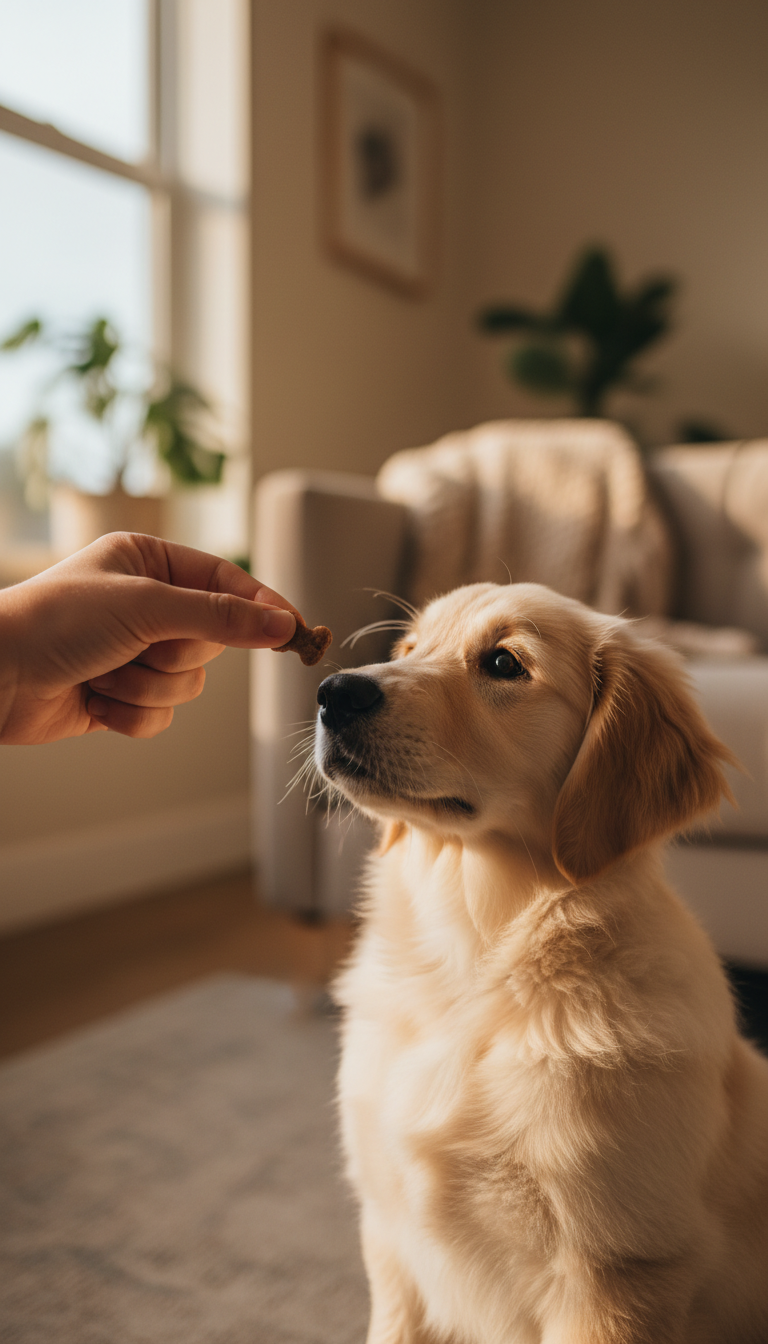
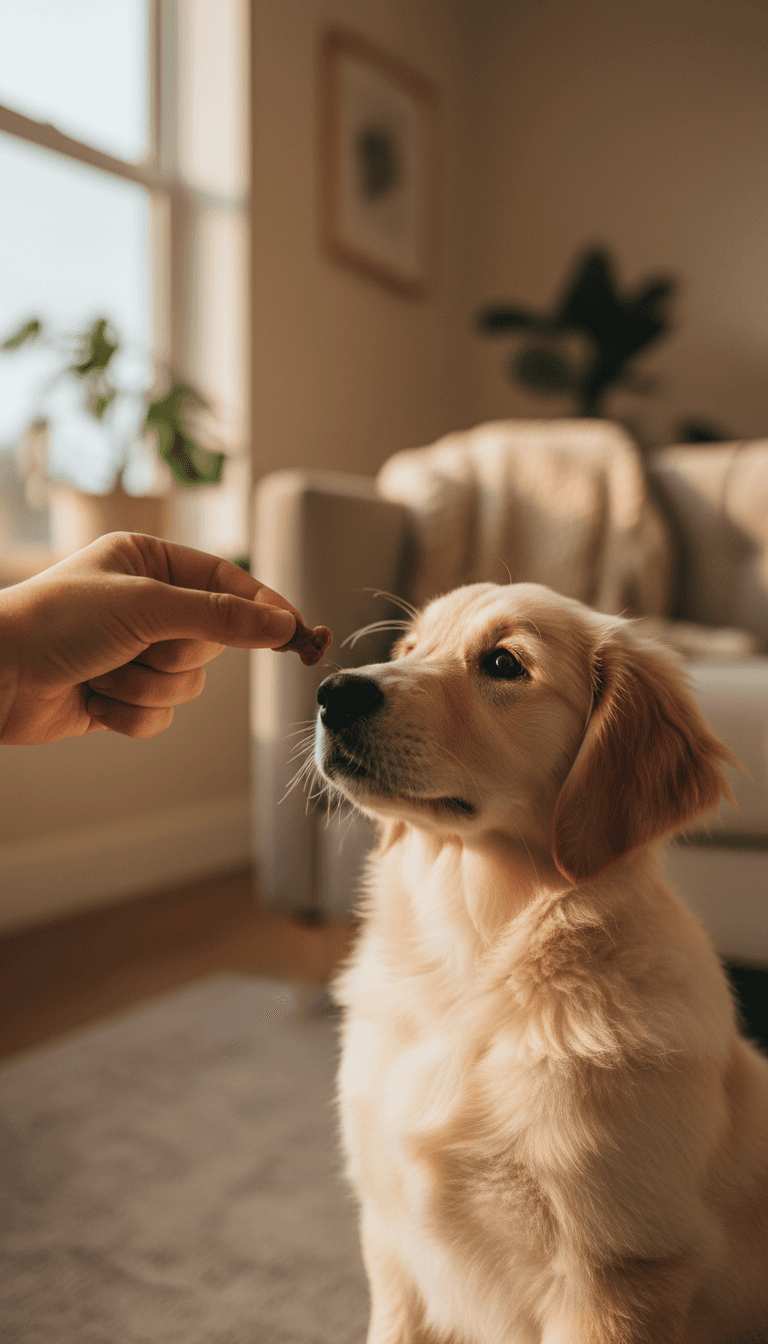
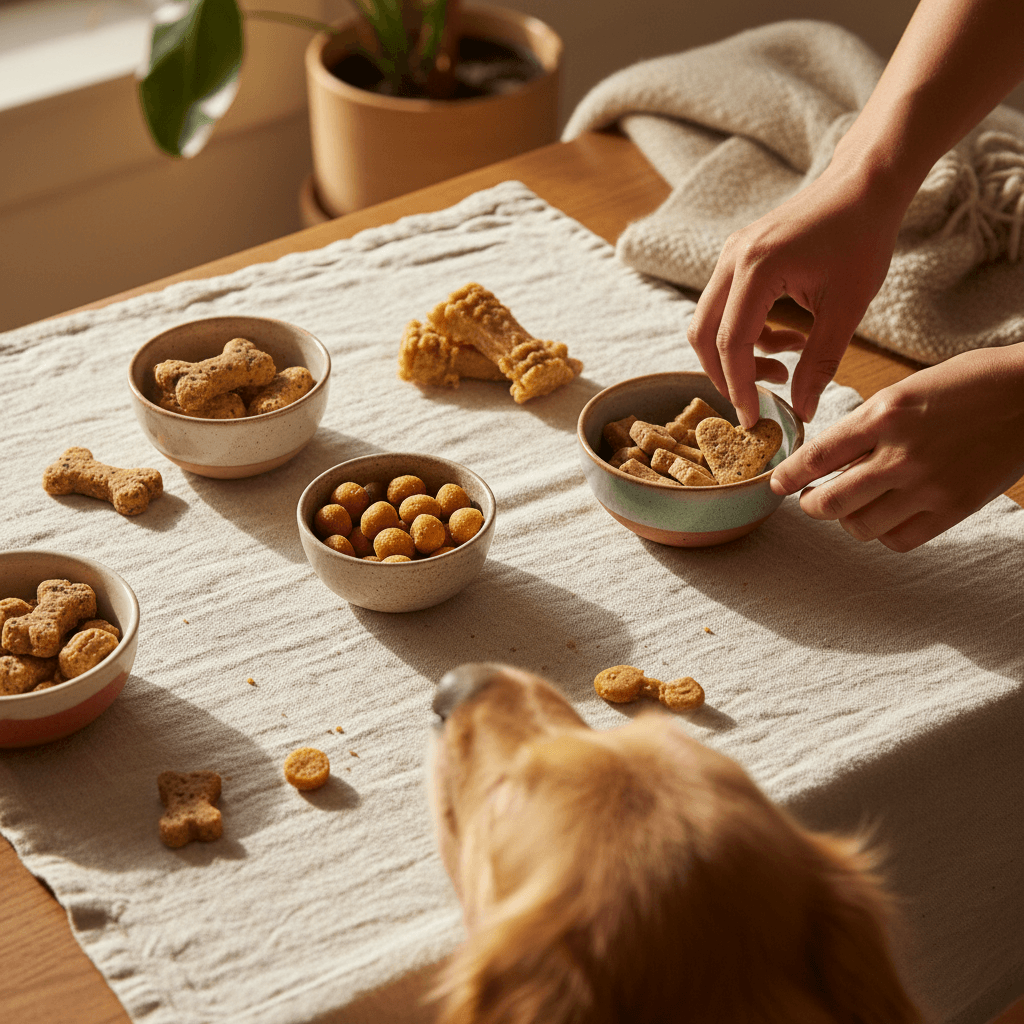
The practical application of these principles begins with the Touch and Treat method. This technique pairs a specific physical interaction with an immediate, high value reward, ensuring your puppy associates being handled with something wonderful. To make this effective, use premium Australian rewards that your puppy rarely receives during standard obedience training, such as small slivers of kangaroo jerky or tiny pieces of plain boiled chicken. High value treats ensure the puppy remains focused and motivated even when you move into more sensitive areas.
Always begin with the least sensitive parts of the body, such as the shoulders or the back, before moving toward more vulnerable zones. When you begin to teach puppy to be handled grooming vet checks become significantly easier because you have already desensitised these specific areas in a controlled environment. Once your puppy is relaxed with general petting, you can progress to these vital checks:
Paws: Many dogs are naturally protective of their feet. Gently run your hand down the leg, then touch each individual toe and press lightly on the nails. This mimics the sensation of a nail clipper or a groomer’s steady grip.
Ears: Lift the ear flap slowly and peek inside. This is essential for cleaning and checking for infections. If your puppy has floppy ears, practice gently massaging the base of the ear to get them used to the tactile sensation of a veterinary exam.
Mouth: To prepare for dental checks or tooth brushing, slide your finger under the upper and lower lips to reveal the teeth and gums. Avoid forcing the jaw open; simply lifting the flews is the goal for this stage.
Tail: Lift the tail gently to simulate a sanitary trim or a temperature check. This area is often overlooked but is crucial for maintaining hygiene, especially for long haired breeds during muddy Australian winters.
The key is brevity and repetition. Touch the area for one second, immediately provide the treat, and then release. If your puppy shows signs of pulling away, you have moved too fast. For more detailed demonstrations of these techniques, our complete online puppy training course provides step by step videos to ensure your timing is precise.
Teaching the Puppy Chin Rest as a Start Button
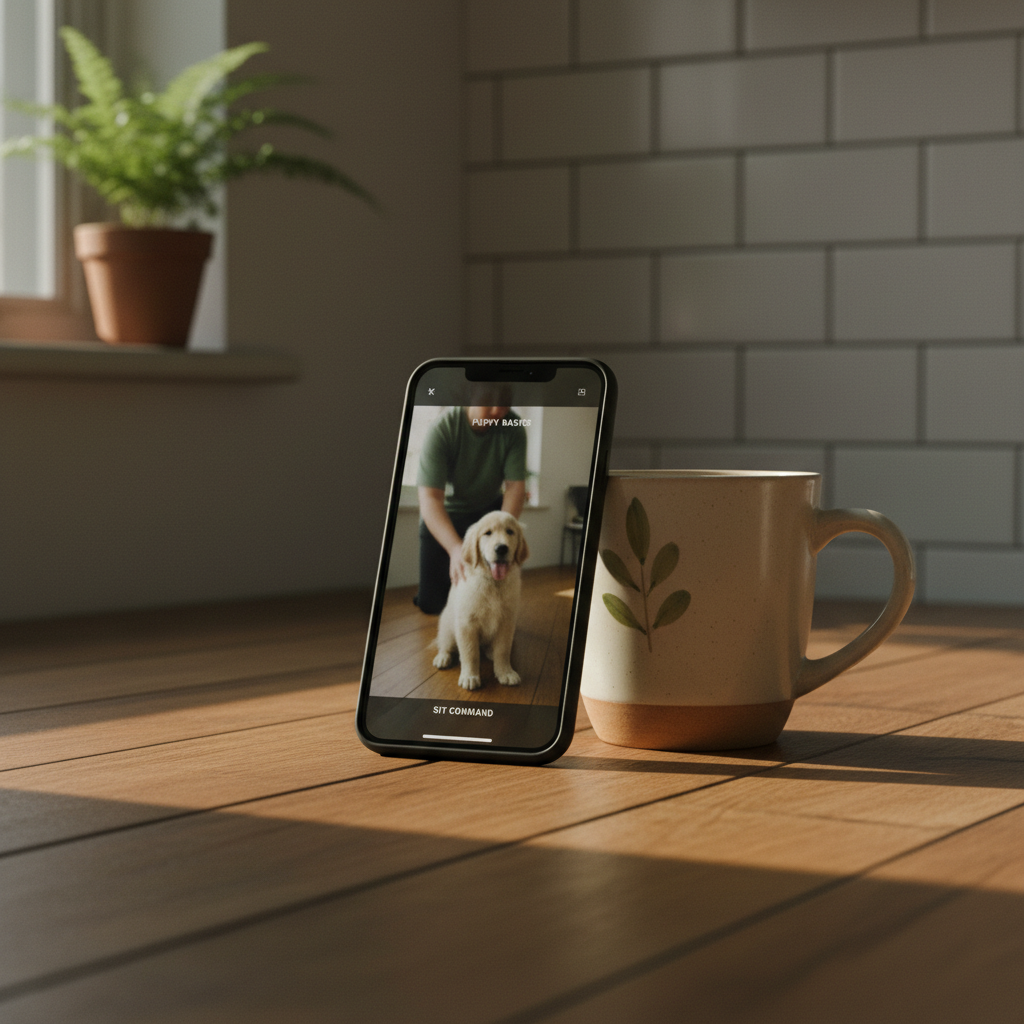
Building on the foundation of positive touch, the next stage involves formalising the agreement between you and your puppy through a 'Chin Rest.' This behaviour serves as a clear 'start button' for procedures. When your puppy places their chin in your hand or on a padded surface, they are providing active consent for you to proceed. This specific signal is a cornerstone of cooperative care that ensures the process remains stress free for both parties.
To teach this behaviour, follow these steps:
Present your open palm or a comfortable, padded chair at the puppy's head height.
Use a high value reward to lure the puppy’s nose over your hand until their chin naturally rests in your palm.
The moment you feel the weight of their head, mark the behaviour with a verbal 'yes' and provide the treat.
Gradually increase the duration by waiting an extra second before rewarding, ensuring their head stays heavy in your hand.
Once the position is stable, begin to lightly touch an ear or paw with your other hand while the chin remains down.
In this system, the chin rest is the only way the puppy gives you the 'green light' to work. If they lift their head at any point, the handling must stop immediately. This teaches the dog that they have the power to pause the session, which builds immense confidence and prevents the need for struggle. Because timing and body language are vital when you teach puppy to be handled grooming vet checks require a high level of precision. Our complete online puppy training course includes detailed video demonstrations to help you master these 'start button' nuances from the comfort of your living room.
Desensitisation to Grooming Tools and Sounds
After establishing a reliable start button, you must prepare your puppy for the sights, sounds, and sensations of grooming equipment. Transitioning from your hands to metallic or vibrating tools can be intimidating, so the introduction should be methodical and slow. To successfully teach puppy to be handled grooming vet checks require more than just tolerance of touch; they require a calm response to a noisy, sensory environment.
Begin with brushes by allowing your puppy to investigate the object at their own pace. Start by touching their coat with the smooth back of the brush before progressing to gentle strokes with the bristles. This is especially important for Australian owners managing thick coats during humid, tropical summers or trying to prevent matting after a walk in the muddy winter rain. By making the brush a source of rewards rather than a surprise, you ensure the coat remains manageable year round.
For auditory desensitisation, apply the 'distance and volume' rule. Play recorded sounds of clippers or hair dryers on your phone at a barely audible level from another room. As your puppy remains relaxed, gradually increase the volume and decrease the distance over multiple short sessions. This prepares them for the intense noise of high velocity dryers used in professional salons. If the puppy shows any sign of concern, simply move the sound further away or lower the volume for the next repetition.
Finally, introduce water using a shallow tray or a damp towel rather than a sudden, overwhelming bath. Letting a puppy voluntarily place their paws in a few millimetres of water builds the confidence needed for those essential post-walk rinses. Our complete online puppy training course provides specific schedules for these exercises to ensure you move at a pace that keeps your puppy feeling safe and successful.
Simulating a Vet Exam at Home
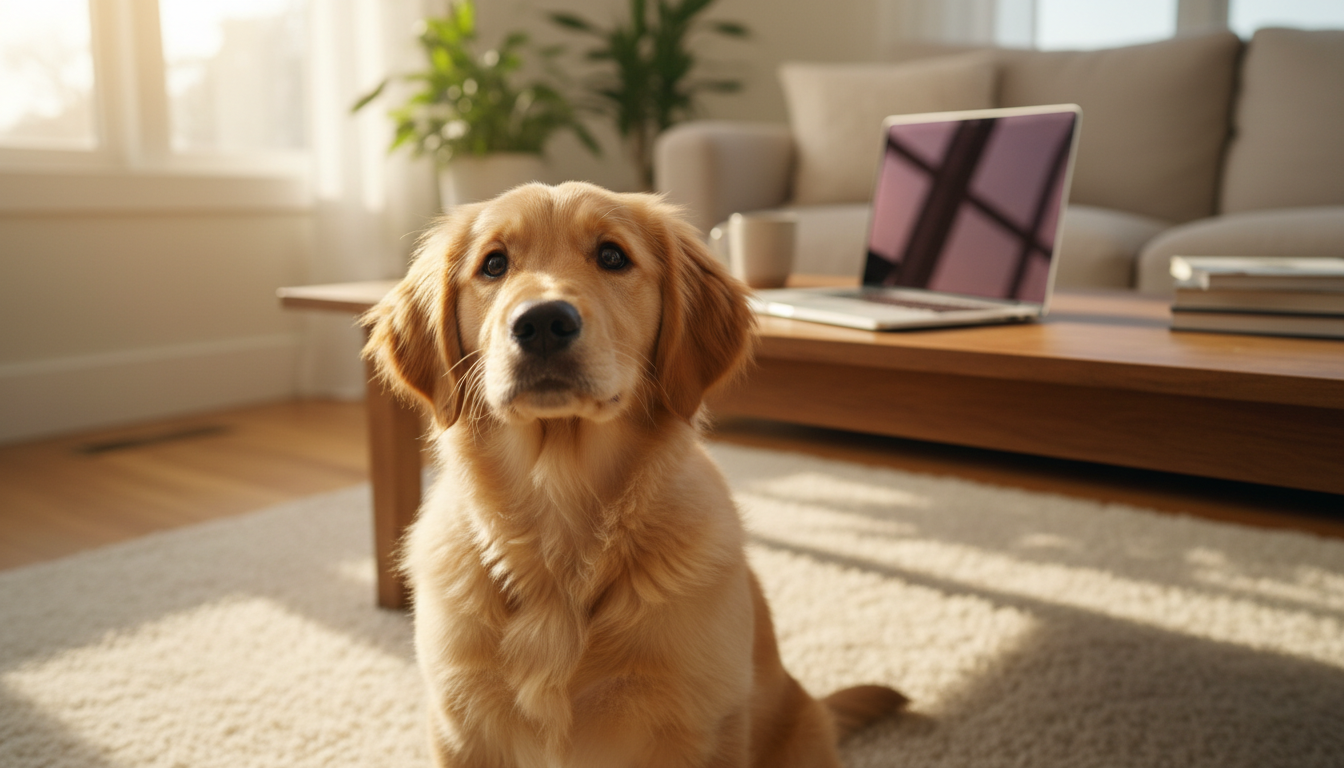
Moving from individual tools to a full physical assessment helps your puppy generalise their training to a clinical setting. Most veterinary exams occur on an elevated table, so you should recreate this environment at home to prevent future anxiety. Place your puppy on a stable surface, such as a laundry bench or a sturdy outdoor table, but ensure you lay down a non-slip rubber mat or a yoga mat first. This provides the grip they need to feel secure, preventing the panic that often stems from sliding on the cold stainless steel surfaces found in clinics.
Once they are settled on the bench, perform a systematic head to tail check. Gently palpate their abdomen, look into their eyes with a small torch, and practice "tenting" the skin behind their neck by gently pinching it to simulate a vaccination injection. To prepare for a temperature check, lift the tail and touch the area with a cool, blunt object like a plastic pen cap. These mock exams should be brief and punctuated with high value rewards. If you need visual guidance on the safest ways to position and support your puppy during these checks, our complete online puppy training course offers comprehensive video modules to ensure your technique is correct.
These "Happy Visits" at home remove the element of surprise during real appointments. To further build confidence, contact your local Australian veterinary clinic and ask if you can pop in for a "weight check only" visit. Most clinics welcome this, as it allows the puppy to experience the smells and sounds of the surgery, step on the scales, and receive treats from the reception staff without any associated medical procedures. Integrating these real world rehearsals ensures that when you teach puppy to be handled grooming vet checks become a routine, stress free part of their life.
Puppy Grooming and Vet Handling Timeline
Consistency is vital when you follow a structured schedule to teach puppy to be handled grooming vet checks. Establishing a routine early prevents the development of phobias that often emerge if training is delayed until six months of age. Use this checklist to guide your progress through the critical early months.
Age Range | Focus Area | Key Activities |
|---|---|---|
8 to 10 Weeks | Basic Touch and Socialisation | Daily handling of paws, ears, and mouth; pairing touch with high-value Australian treats like kangaroo jerky. |
10 to 12 Weeks | Tools and Communication | Introduction to soft brushes; teaching the Chin Rest as a consent signal to start handling. |
12 to 14 Weeks | Advanced Simulation | Mock vet exams on a non-slip elevated surface; first professional puppy clip or bath and blow-dry. |
Waiting until your puppy is six months old to begin these exercises is a common mistake that leads to lifelong stress and veterinary anxiety. By 14 weeks, your puppy should ideally be comfortable with basic restraint and the presence of grooming equipment. If you need a more detailed breakdown of these developmental milestones, our complete online puppy training course offers comprehensive checklists and progress trackers. For specific advice on unique handling challenges, you can contact our training team to ensure your puppy remains on the right path.