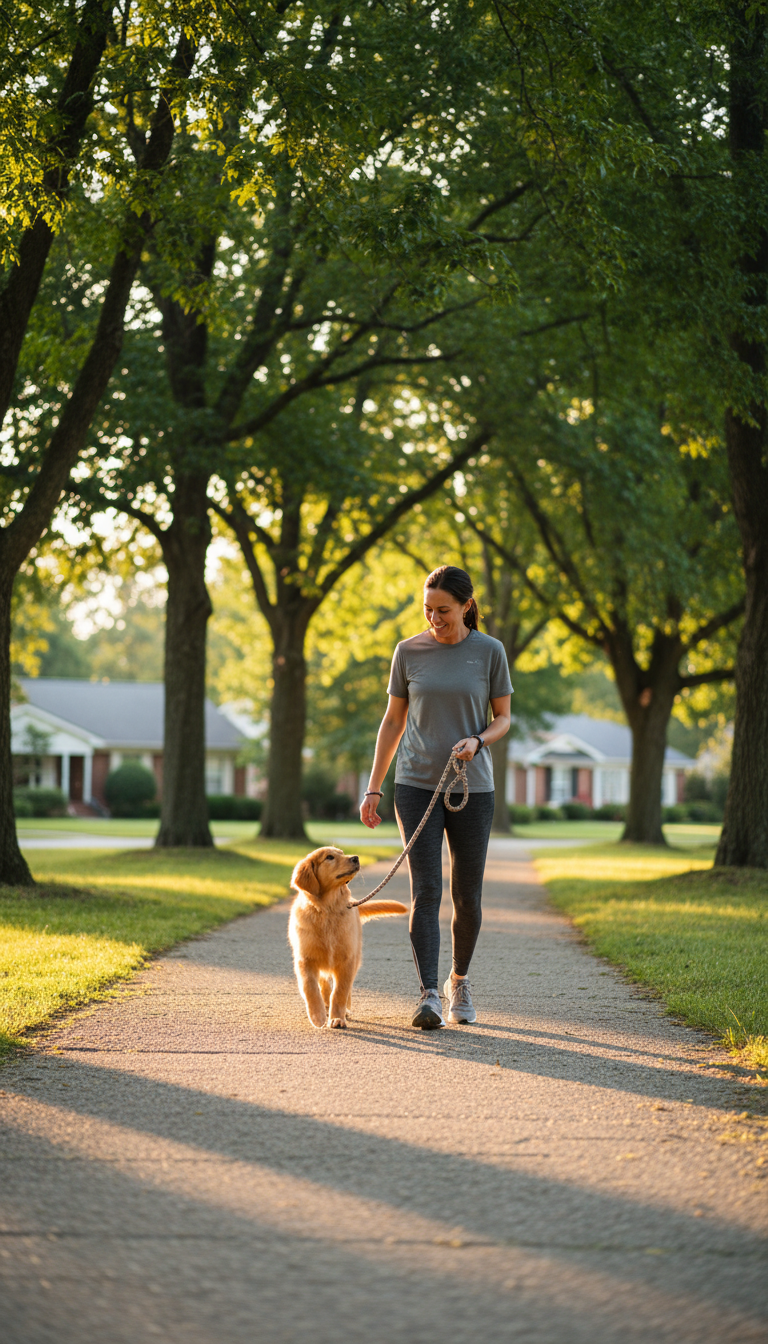
To master loose lead walking puppy Australia techniques, owners should use reward-based training and positive reinforcement to build value for staying close to their side. By incorporating games and reinforcers like treats, you can encourage your pet to explore their environment safely while maintaining a relaxed leash.
There is nothing quite as exhausting as a morning walk that feels like a physical battle of wills. If you find yourself being dragged toward every magpie or scent on the Australian pavement, you are not alone; many owners struggle with puppies that view a lead as a harness for pulling rather than a tool for connection. Mastering a loose lead is about more than just avoiding a sore shoulder. It is the most vital life skill your puppy will learn, ensuring they remain safe and attentive amidst the unique distractions of our local parks and beaches. In this guide, we will examine the essential gear required for our climate and provide a step by step framework to build value for the magic zone by your side. You will learn how to transform your walks from a tug of war into a calm, focused experience for both ends of the lead.
Why Loose Lead Walking is Your Puppy's Most Important Life Skill
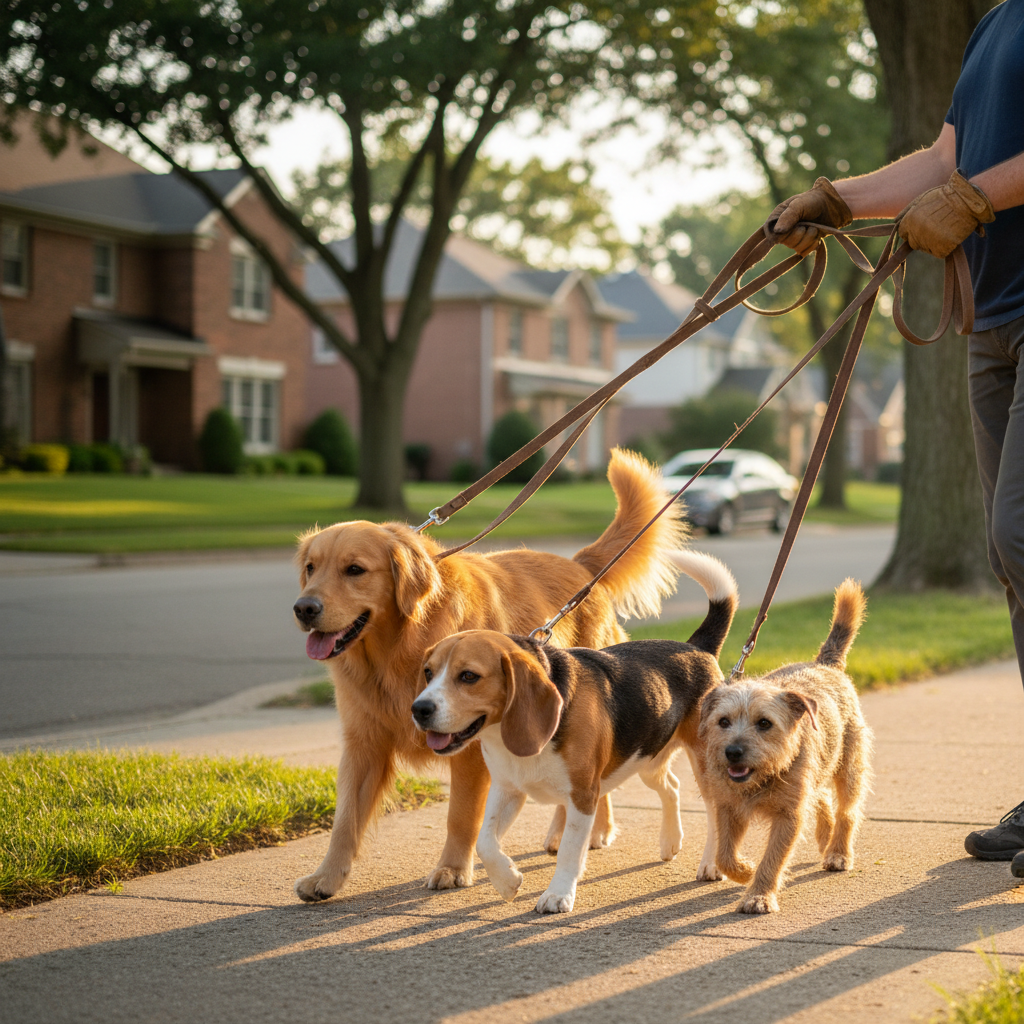
Mastering loose lead walking puppy Australia techniques is the most vital step in your training journey. While many owners confuse heeling with loose lead walking, they serve distinct purposes. Heeling is a precision obedience skill where the dog stays fixed to your hip, focusing entirely on your movement. In contrast, loose lead walking is about relaxed exploration. It allows your puppy to sniff and engage with their environment provided the leash remains slack.
Our Australian lifestyle revolves around the outdoors. From coastal paths to weekend visits to dog friendly cafes, we expect our dogs to accompany us everywhere. A puppy that constantly pulls is more than a physical strain; they are a safety risk on busy suburban footpaths and a distraction in social settings. Beyond the physical mechanics, this skill defines the relationship with your pet. Instead of a constant tug of war, you develop a partnership based on mutual respect and focus. If you are starting with Puppy Training Basics, remember that a loose lead indicates a puppy that is mentally checked in with you. Our complete online puppy course provides the framework to build this connection, ensuring your walks become a source of shared enjoyment rather than a daily struggle.
When Should You Start Lead Training Your Puppy?
New owners often ask exactly when they should begin lead work. Training starts the moment your puppy arrives home, typically around eight weeks of age. However, the first phase of loose lead walking puppy Australia training actually begins indoors without a lead. By starting in a quiet lounge room or hallway, you teach your puppy that being near you is rewarding before you ever introduce the restriction of a leash.
Safety is a priority, so you must wait until your puppy is fully vaccinated before exploring high traffic Australian parks or coastal paths. This waiting period is the perfect time for the 'backyard phase.' Between 8 and 14 weeks, your puppy is in a prime developmental window. Use your private garden to practice engagement and following movements. Building these Puppy Training Basics in a controlled environment ensures that when you do finally head out, your puppy already understands the value of staying close. For more tailored advice, you can always contact our training team to discuss your puppy's progress.
Essential Gear for Australian Puppy Walking
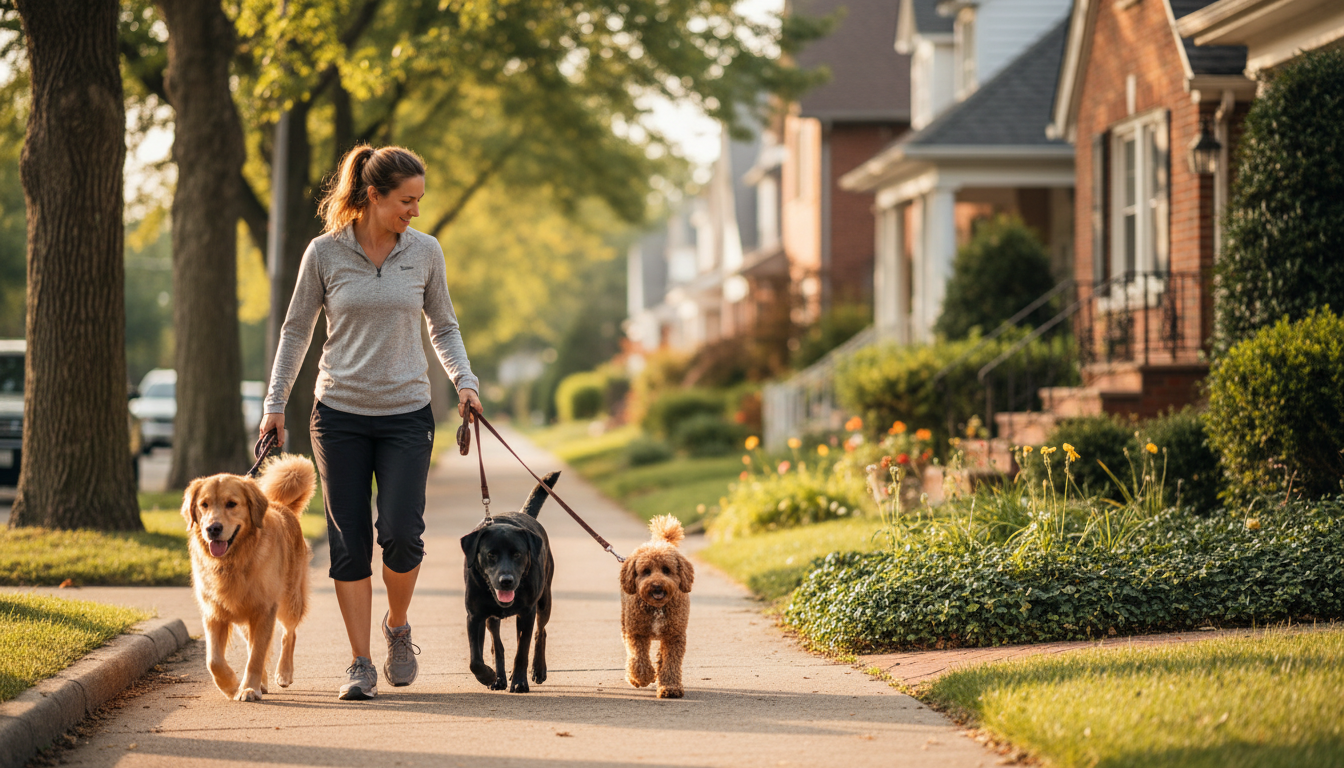
Selecting the right equipment is the next step once you have established your indoor training routine. While a standard flat collar is necessary for carrying identification tags, it is often not the best tool for an untrained puppy. If a puppy lunges, a collar puts significant pressure on their delicate trachea. For loose lead walking puppy Australia sessions, a front clip harness is a superior choice. Unlike back clip harnesses, which can encourage a puppy to pull against the resistance, a front clip attachment gently redirects their chest back toward you if they move ahead. This subtle guidance makes it much easier to manage their focus.
Equipment Type | Best Use Case | Training Impact |
|---|---|---|
Flat Collar | Everyday wear and ID | Minimal control; risk of neck strain |
Front Clip Harness | Training walks | High; redirects puppy toward handler |
Standard Fixed Lead | Daily training | Builds consistency and clear boundaries |
Our harsh Australian climate also dictates your gear choices. Opt for lightweight, breathable mesh materials that do not trap heat against your puppy's skin during humid afternoons. Always perform the five second touch test on the bitumen or pavement before stepping out; if it is too hot for the back of your hand, it is too hot for their paws. Finally, avoid retractable leads. These devices maintain constant tension on the harness or collar, effectively teaching your puppy that pulling is the only way to gain freedom or move forward. To build the foundation for a lifetime of stress free walks, stick to a fixed 1.2 to 1.8 metre lead as recommended in our Puppy Training Basics. This ensures the communication between you and your puppy remains clear, consistent, and safe.
Step 1: Building Value for the Magic Zone
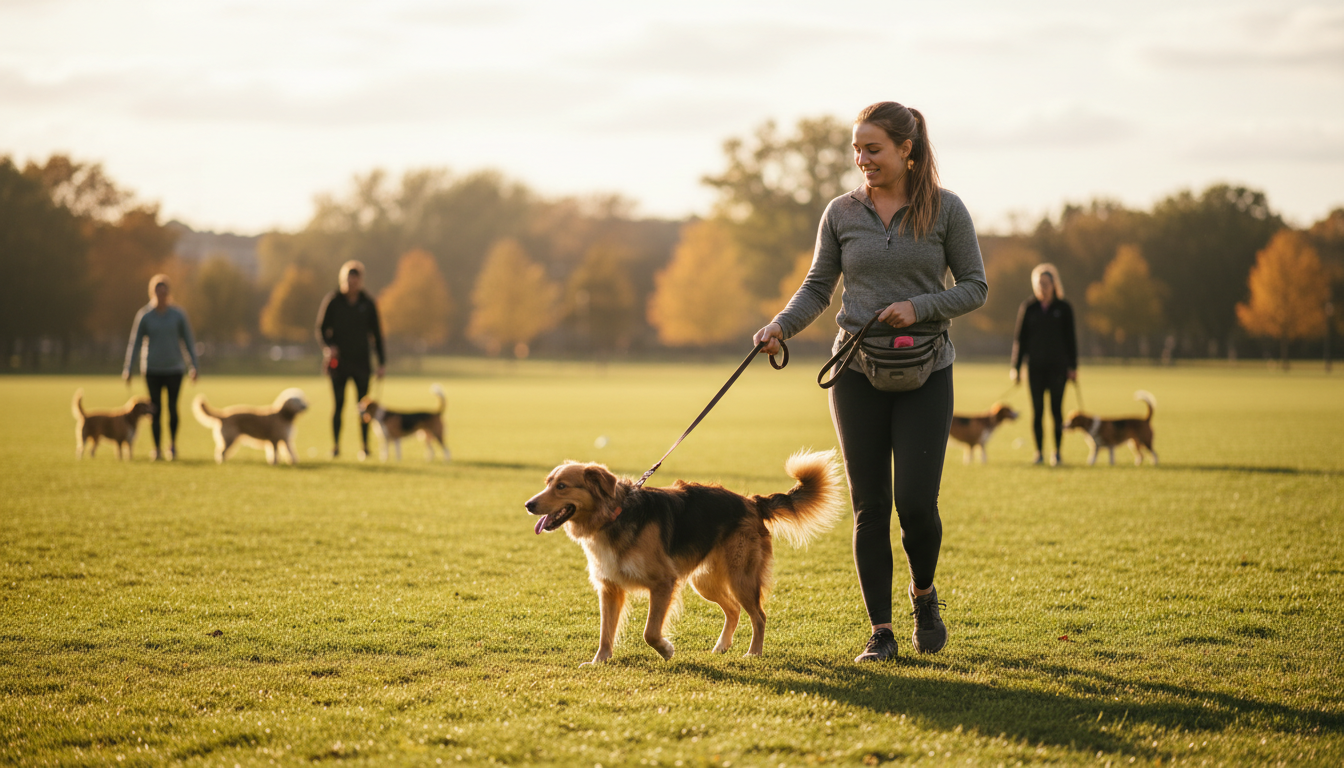
Before you clip on a lead, you must create a Magic Zone. This is the invisible area roughly half a metre wide right next to your hip. The primary goal of loose lead walking puppy Australia training is to make being by your side the most rewarding place on earth. If your puppy views your proximity as a source of high value treats, they will have little reason to pull away later.
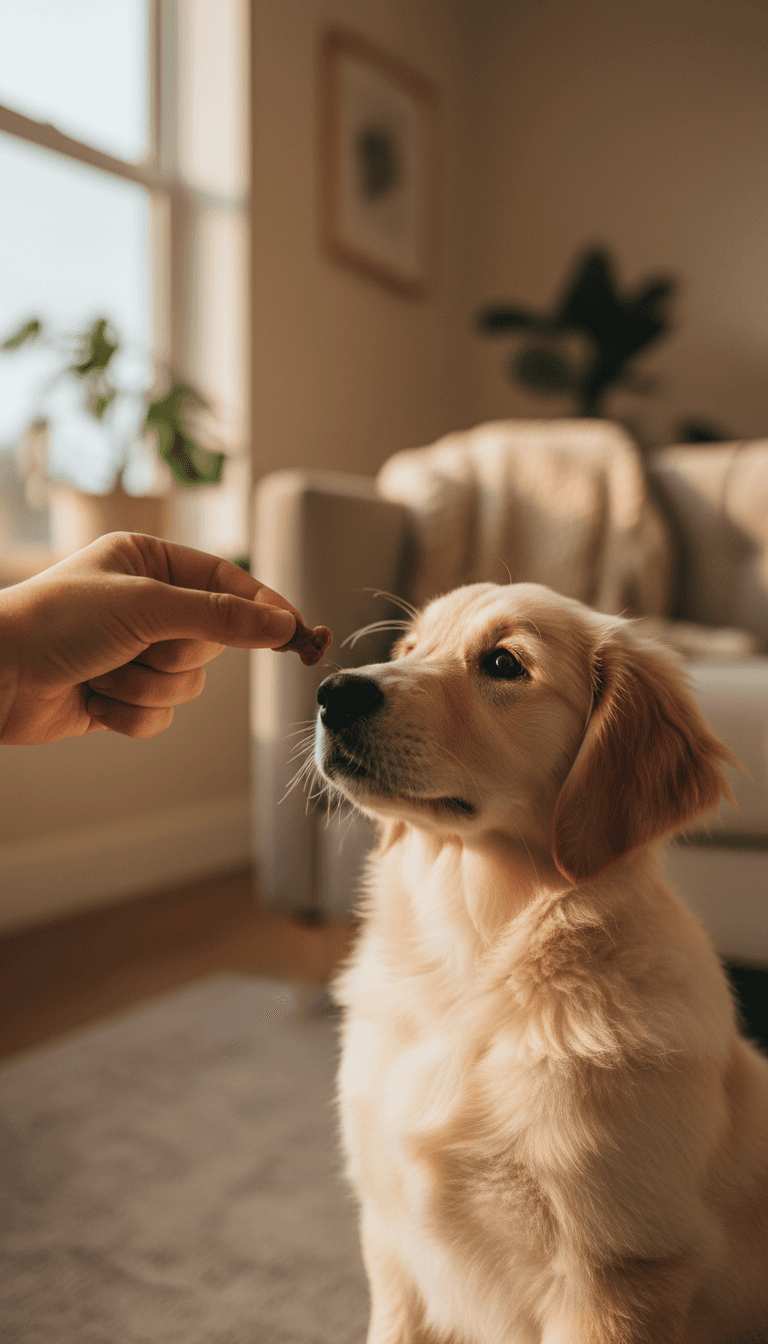
Begin this process in a familiar, low distraction environment such as an Australian hallway or lounge room. By working indoors, you remove competing motivators like wind, birds, or grass. Stand still without a leash attached. The moment your puppy wanders into that zone by your hip, mark the behaviour with a verbal 'Yes!' and immediately deliver a treat.
Pay close attention to your treat delivery technique. Always use the hand closest to your puppy to provide the reward. If your puppy is on your left side, your left hand should deliver the treat directly to their mouth or drop it on the floor right next to your leg. This prevents them from crossing your path to reach your other hand. Practicing these Puppy Training Basics for just a few minutes a day builds a powerful magnetic draw to your side. This engagement is a core component of our complete online puppy course, ensuring your puppy chooses to stay close before you ever introduce the restriction of a leash.
Step 2: The Follow Me Game (No Tension)
Once your puppy understands that being by your hip results in rewards, you are ready to add movement. This phase is called the Follow Me Game. The goal is to transition from standing still to taking a few purposeful steps without losing that connection. Start by holding a high value treat as a lure near your hip or using a hand touch to guide your puppy forward. Aim for just two steps beside you initially.
It is critical that you do not use the lead to pull the puppy into position. For this stage of Puppy Training Basics, keep the lead draped over your shoulder or held loosely with zero tension. If your puppy hesitates, use a high pitched, happy voice or gently pat your leg to encourage them to follow your movement. By relying on engagement rather than physical force, you ensure that loose lead walking puppy Australia sessions remain positive and stress free.
Reward your puppy for every successful step at first. As they match your pace, mark the movement with a 'Yes!' and deliver the treat while you are still walking. This constant stream of reinforcement helps maintain their focus on you rather than the ground. Mastering this fluid movement is a key milestone in our complete online puppy course, laying the groundwork for your puppy to stay engaged even when you eventually move the training outdoors.
Step 3: Introducing the Lead Without the Tug of War
After your puppy is comfortably following your movement indoors, it is time to clip on the lead. This transition is where many owners accidentally initiate a game of tug of war. When practicing loose lead walking puppy Australia sessions, your goal is to ensure the lead remains a neutral communication tool rather than a steering wheel. Clip the lead to the front of the harness and let it hang in a visible U-shape between you and your puppy.
The most effective technique for managing inevitable tension is the Be a Tree method. The moment you feel the lead go tight, you must stop moving immediately. Resist the urge to jerk the lead or pull your puppy back toward your hip. Simply plant your feet and become completely stationary. By stopping all forward progress, you remove the puppy’s ability to move toward whatever distracted them, effectively turning the tight lead into a stop button.
Wait patiently for your puppy to realize the forward motion has ceased. Most puppies will eventually turn their head back to check why you have stopped. This movement naturally creates slack in the lead. The second the tension disappears and the puppy checks in with you, mark the behavior with a verbal 'Yes!' and immediately move forward again. This teaches the puppy that a loose lead is the go button that unlocks the walk. This consistent feedback loop is a fundamental part of our Puppy Training Basics. If your puppy struggles to reconnect, reviewing the engagement drills in our complete online puppy course will help rebuild that focus.
Navigating Australian Distractions: From Magpies to Beaches
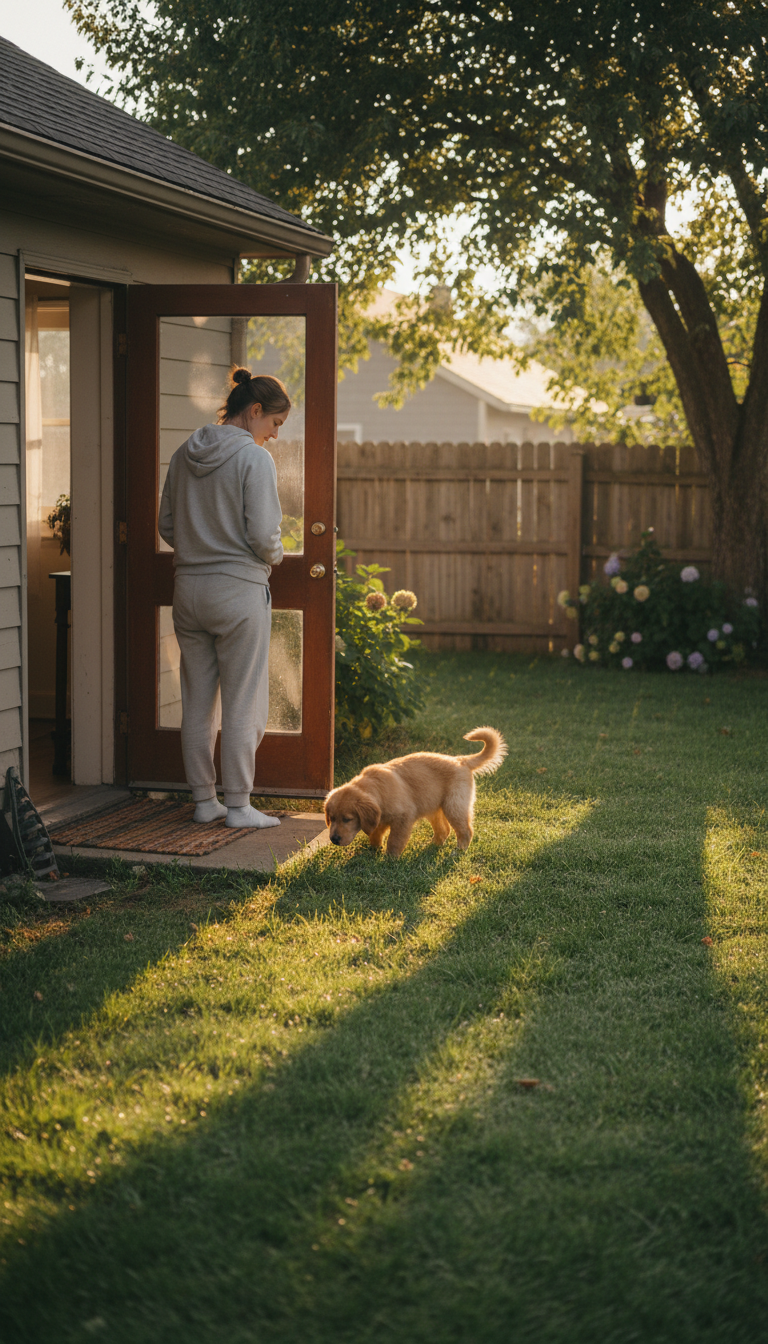
Once your puppy understands the mechanics of a slack leash in a quiet setting, the next challenge is the vibrant Australian outdoors. Our local environments are filled with high intensity distractions, from the flutter of a low flying magpie to the salt spray and activity of a busy dog beach. To successfully navigate these, you must apply social distance training. Instead of trying to walk directly past a barking dog or a group of children, start your practice at least 20 metres away. This distance keeps your puppy below their threshold, allowing them to remain focused on you rather than the distraction.
As you move through suburban streets or coastal paths, use these Puppy Training Basics to reward eye contact and engagement. If your puppy manages a stretch of calm walking past a tempting scent or a park, offer them a release. Using a 'Go Sniff' cue acts as a functional reward. It tells your puppy they have earned the right to explore their environment on a loose lead. This balance of focus and freedom is a core pillar of our complete online puppy course, ensuring your puppy learns that checking in with you actually leads to the environmental rewards they crave. Gradually closing the gap to these distractions during your loose lead walking puppy Australia sessions will solidify their skills for any setting.
Common Mistakes in Loose Lead Puppy Training
Even with a solid plan, certain habits can stall your loose lead walking puppy Australia progress. Identifying these pitfalls early prevents frustration for both you and your puppy.
Using a lead that is too short: A very short lead creates natural tension, which often triggers a puppy's opposition reflex. This reflex causes them to pull instinctively against the pressure. Ensure your lead is long enough to maintain a relaxed U-shape while they are in the Magic Zone.
Ignoring the 'quiet' moments: Owners often only interact with the lead when the puppy pulls. If your puppy is walking calmly on a slack lead, they are doing exactly what you want. Failing to reward this 'quiet' behavior misses a massive learning opportunity. Mark and reward the absence of pulling frequently.
Progressing too quickly: Taking a puppy straight to a busy Australian weekend market or a popular dog beach before they have mastered the lounge room is a common error. If focus breaks at home, it will certainly fail in high-distraction environments.
Mastering these Puppy Training Basics requires consistency. If you find yourself struggling with these nuances, professional guidance through our complete online puppy course can help you troubleshoot specific challenges. Our structured curriculum ensures you build a solid foundation before tackling the distractions of the outside world.