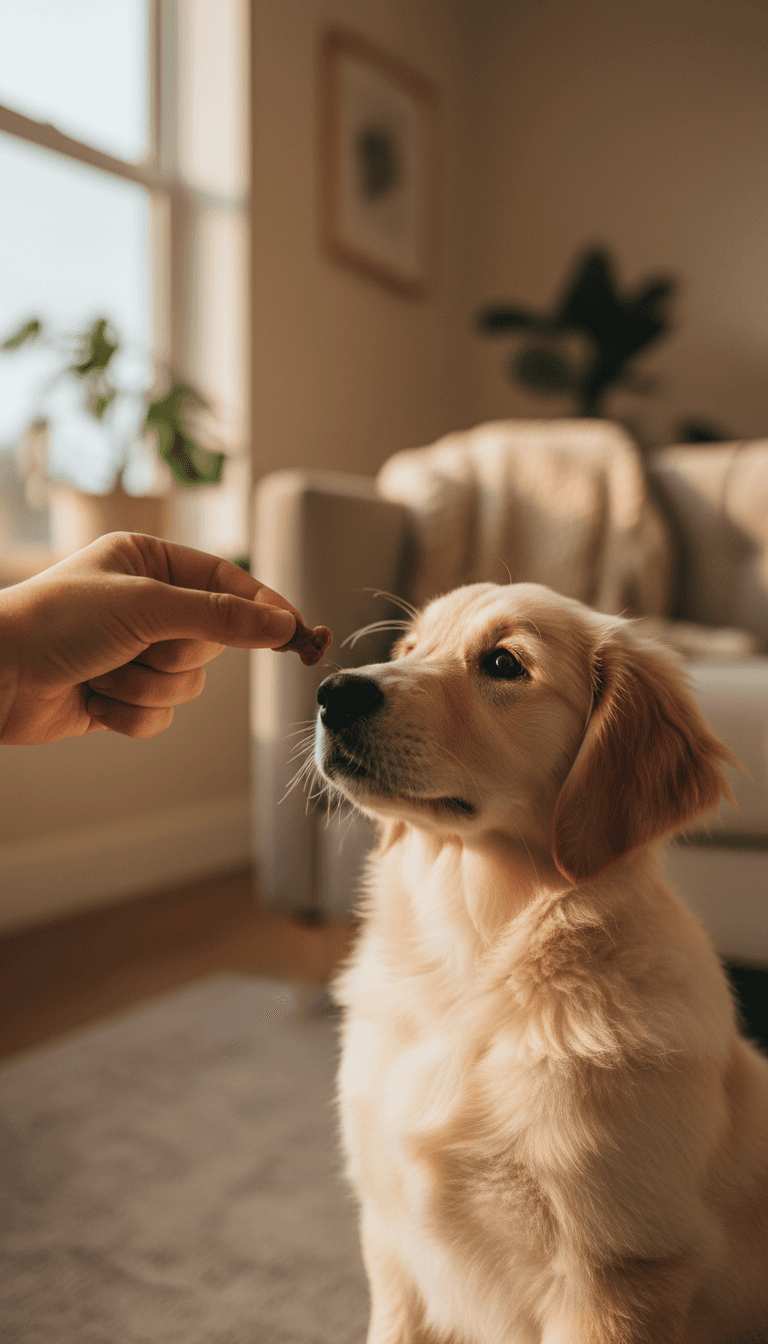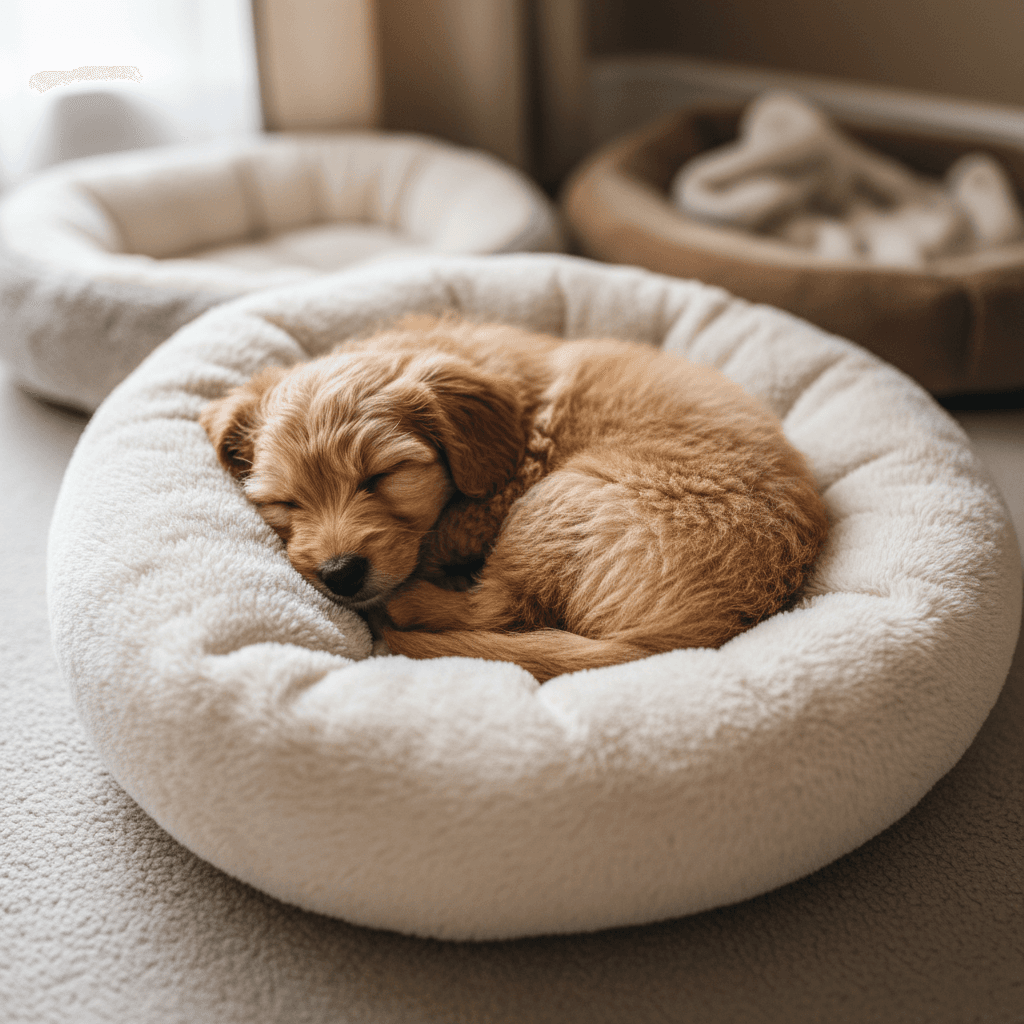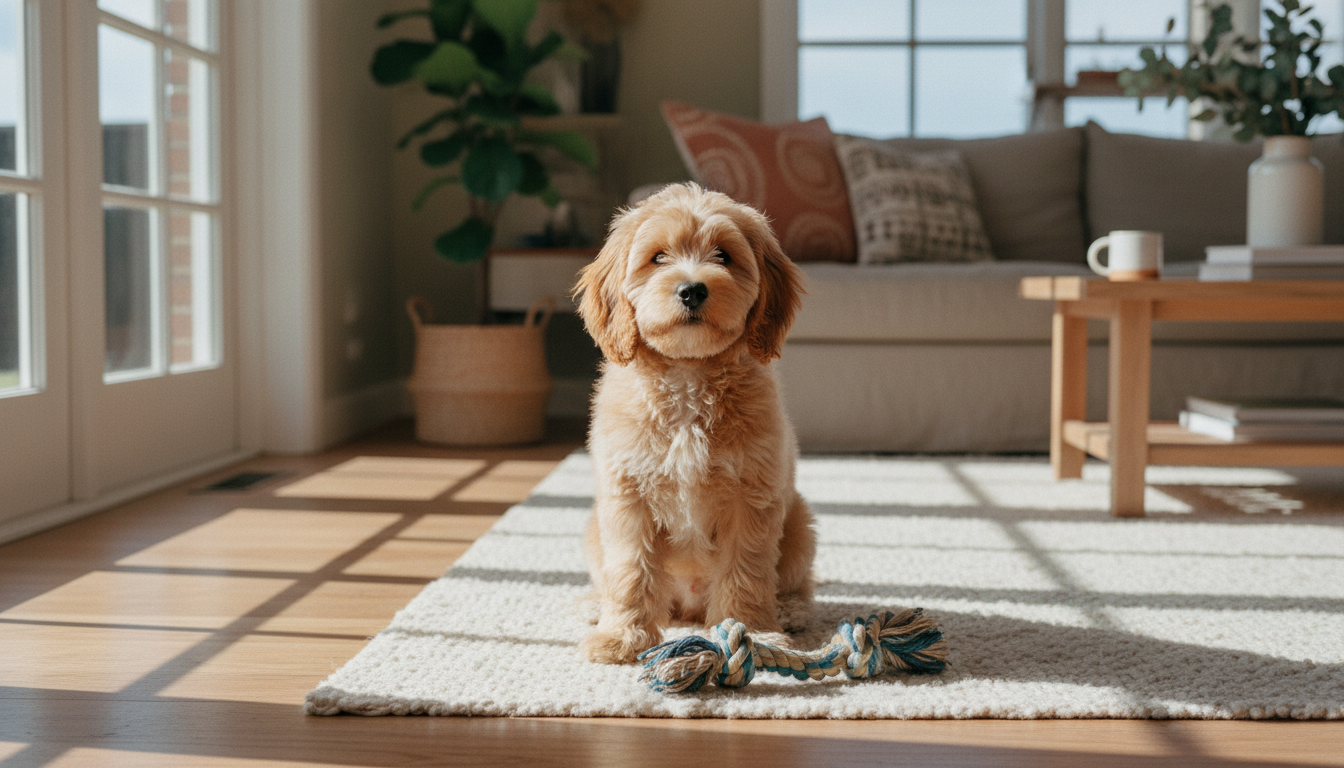
Yes, crate training is highly recommended because it provides a secure den environment and aids significantly with house training and safety. When considering should i crate train my puppy Australia, ensure you balance these benefits with proper socialization and avoid using the crate for excessive periods to prevent anxiety.
Bringing home a new puppy in Australia often leads to a common dilemma; how to manage the inevitable chaos of chewed furniture and midnight accidents. You might feel torn between the convenience of a crate and the worry that it might be unkind. This decision is critical because it shapes your dog's sense of security and your own sanity. At Online Puppy School, we believe in practical, expert led solutions that prioritize animal welfare and owner confidence. In this guide, we will explore the local debate surrounding crate training, specifically addressing the benefits and potential downsides. You will learn how to assess if a crate suits your puppy's personality, how to navigate the Australian summer safely, and the essential 2 1 Rule for long term success. We provide the clarity you need to make an informed choice for your home.
Understanding the Crate Training Debate in Australia
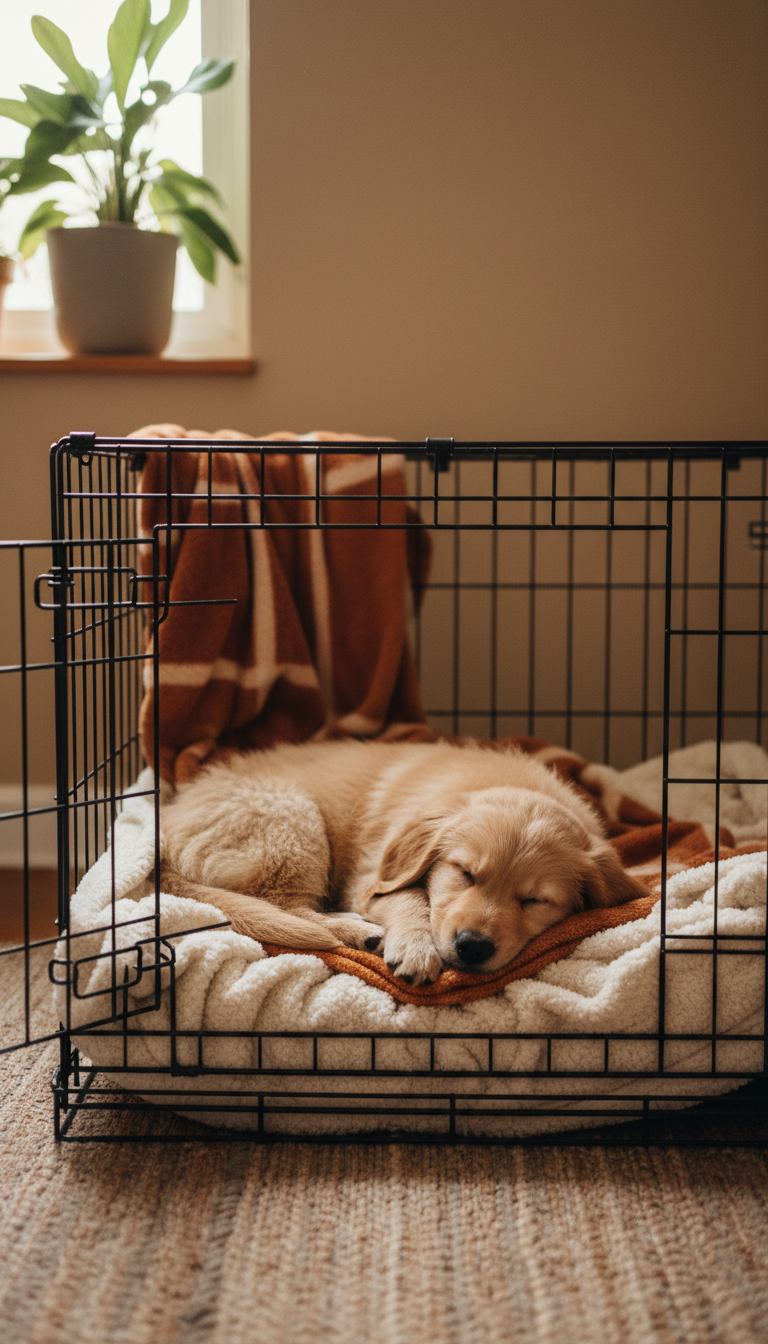
Crate training involves teaching your dog to see a specialised enclosure as their personal sanctuary. It is designed to be a safe, den-like space where a puppy can retreat for rest and security, rather than a place of confinement or punishment. While this practice has been a staple of puppy raising in the US and UK for decades, many new owners ask, "should i crate train my puppy Australia?" as it becomes more widespread across the country.
The debate often stems from a misunderstanding of how dogs perceive space. Biologically, dogs possess a 'den instinct,' which is a natural drive to seek out small, enclosed areas where they feel protected from potential threats. When implemented correctly through a comprehensive online training course for puppies, a crate taps into this biological preference. It provides a consistent environment for sleep and prevents the anxiety that comes with too much unsupervised freedom. Because Australian pet culture has traditionally focused on outdoor spaces or the laundry room approach, some owners feel hesitant. However, viewing the crate as a management tool for safety and routine is the first step in successful training.
The Benefits: Why Many Australian Vets and Trainers Recommend It
Vets and trainers across Australia recommend crate training primarily because it supports a puppy’s biological development and safety. One of the most immediate benefits is the acceleration of housebreaking. Puppies possess a natural instinct to keep their sleeping area clean; they will go to great lengths to avoid soiling their den. By using a crate, you leverage this instinct to help them develop bladder and bowel control. This method is a core component of How to Toilet Train Your Puppy Fast Without Punishment. It provides a clear boundary that helps the puppy understand the difference between their living space and their outdoor toilet area.
Beyond the home, a crate is a vital safety tool for transport. For many Australian families, long road trips are a regular part of life. An unrestrained puppy in a moving vehicle can be a dangerous distraction for the driver or become a projectile during sudden braking. A travel-safe crate ensures your puppy is secure and comfortable during the journey, making it much easier to visit the vet or explore new parks safely. It also ensures that if you are staying in pet-friendly accommodation, your puppy has a familiar and secure place to sleep, reducing the stress of a new environment.
Inside the house, the crate serves as a safe haven from overwhelming stimuli. Puppies can easily become overstimulated by household activities such as vacuuming, loud music, or the intense thunderstorms common in many parts of the country. Having a dedicated space where they can retreat and feel protected reduces stress and prevents the development of noise phobias. This secure environment also facilitates a consistent routine. Most puppies need 18 to 20 hours of sleep per day to grow and learn. The crate acts as a physical cue that it is time to settle; this helps prevent the frantic, nippy behaviour often seen in overtired dogs. When owners ask "should i crate train my puppy Australia," these practical benefits for safety and routine are often the deciding factors.
The Downsides and When You Should NOT Crate Train
Despite the many advantages, there are specific scenarios where crate training is neither effective nor ethical. When asking "should i crate train my puppy Australia," you must first consider your puppy's background. Puppies originating from disreputable backyard breeders or puppy farms often have broken den instincts. If a puppy was raised in a cramped environment where they were forced to sleep in their own waste, a crate will likely trigger intense stress rather than provide comfort. Similarly, rescue dogs with a history of confinement trauma may experience severe panic when placed in an enclosed space. In these instances, the crate becomes a source of anxiety rather than a sanctuary.
Another critical consideration is the duration of confinement. A crate is not a "babysitter" designed to hold a puppy during a full eight hour workday while you are away. Dogs are social animals that require mental stimulation, physical movement, and regular bathroom opportunities to remain healthy. Misusing a crate as a long term storage solution can lead to muscle stiffness, frustration, and the development of destructive behaviours once the dog is finally released. If your puppy already shows signs of separation anxiety, being confined can escalate their distress, potentially causing them to injure themselves in an attempt to escape.
Practical health concerns also dictate when to avoid the crate. If a puppy is suffering from a bout of diarrhea or vomiting, they require immediate and unrestricted access to a toileting area or the outdoors. Forcing a sick puppy to remain in a small space where they cannot avoid their own mess is detrimental to their well being and quickly ruins the positive association you have worked to build. In these cases, a puppy proofed laundry or an exercise pen is a more humane alternative. Understanding these limitations is a core part of a comprehensive online training course for puppies, ensuring that your training plan remains flexible and focused on the welfare of your pet.
Is Crate Training Right for Your Puppy's Breed and Personality?
Choosing the right approach depends heavily on your dog’s genetic makeup and individual temperament. For instance, an Australian Shepherd puppy represents the classic high-energy working breed common in many active Australian households. These breeds often struggle with a natural "off-switch." Without structure, they may become hyper-vigilant or destructive. In these cases, a crate is a valuable tool for teaching the settle command, providing a physical boundary that signals it is time for the brain to rest.
However, the effectiveness of the crate is entirely dependent on how you meet their needs outside of it. High-energy breeds require significant mental stimulation and physical exercise to remain balanced. If you are asking, "should i crate train my puppy Australia," remember that the crate must be a supplement to, not a replacement for, an active lifestyle. A dog that has spent the morning at the park or engaged in a comprehensive online training course for puppies will view the crate as a welcome relief.
Conversely, a puppy with pent-up energy will view it as a prison. Personality also plays a role; a timid puppy may thrive in the security of a covered crate, while a highly social dog may need a slower introduction to ensure they do not feel isolated from the family. Understanding these breed-specific traits ensures the crate remains a positive management tool rather than a source of frustration.
The 2 1 Rule for Crate Training Success
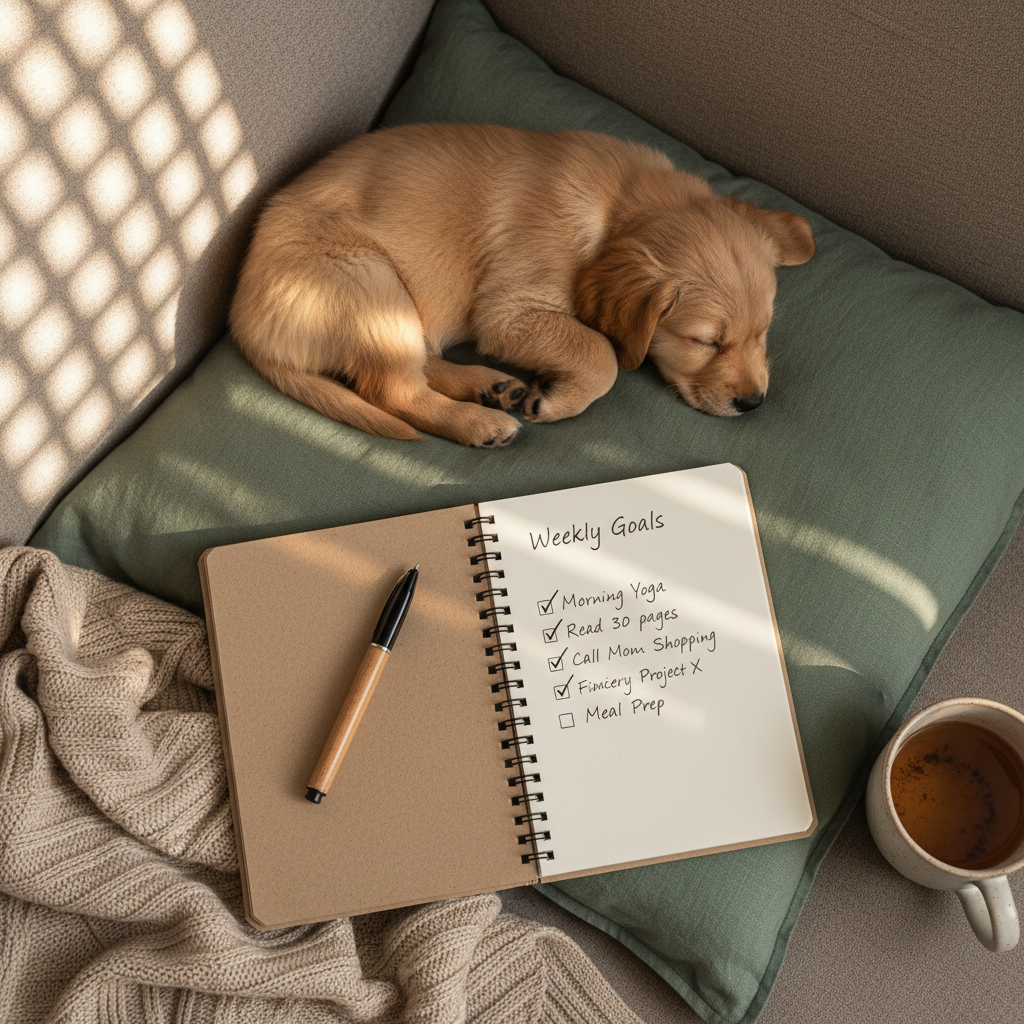
Structuring a puppy’s day is often the most challenging hurdle for new owners. The 2 1 Rule provides a reliable framework that aligns with a puppy’s biological need for sleep while preventing the overstimulation that leads to destructive behavior. This rule dictates that for every one hour your puppy spends out of the crate, they should spend two hours inside it napping.
During the two hour in phase, the crate serves as a recovery zone. Puppies frequently lack the impulse control to stop playing on their own, often leading to the overtired zoomies or excessive nipping. By providing a quiet, darkened space for a two hour nap, you ensure they receive the 18 to 20 hours of sleep required for healthy cognitive development. This structured rest is a proactive way to manage behavior before it becomes problematic.
The one hour out phase is dedicated to high quality engagement. Immediately upon leaving the crate, lead your puppy to their designated toilet spot. This consistent timing is a cornerstone of How to Toilet Train Your Puppy Fast Without Punishment. The remainder of the hour should include focused play, feeding, or a short lesson from a comprehensive online training course for puppies. For owners asking, "should i crate train my puppy Australia," this specific ratio provides the necessary structure to prevent over crating while ensuring the puppy does not become overwhelmed by too much freedom. This cycle repeats throughout the day, creating a predictable rhythm that significantly reduces puppy anxiety.
Crate Training and the Australian Climate: Summer Safety
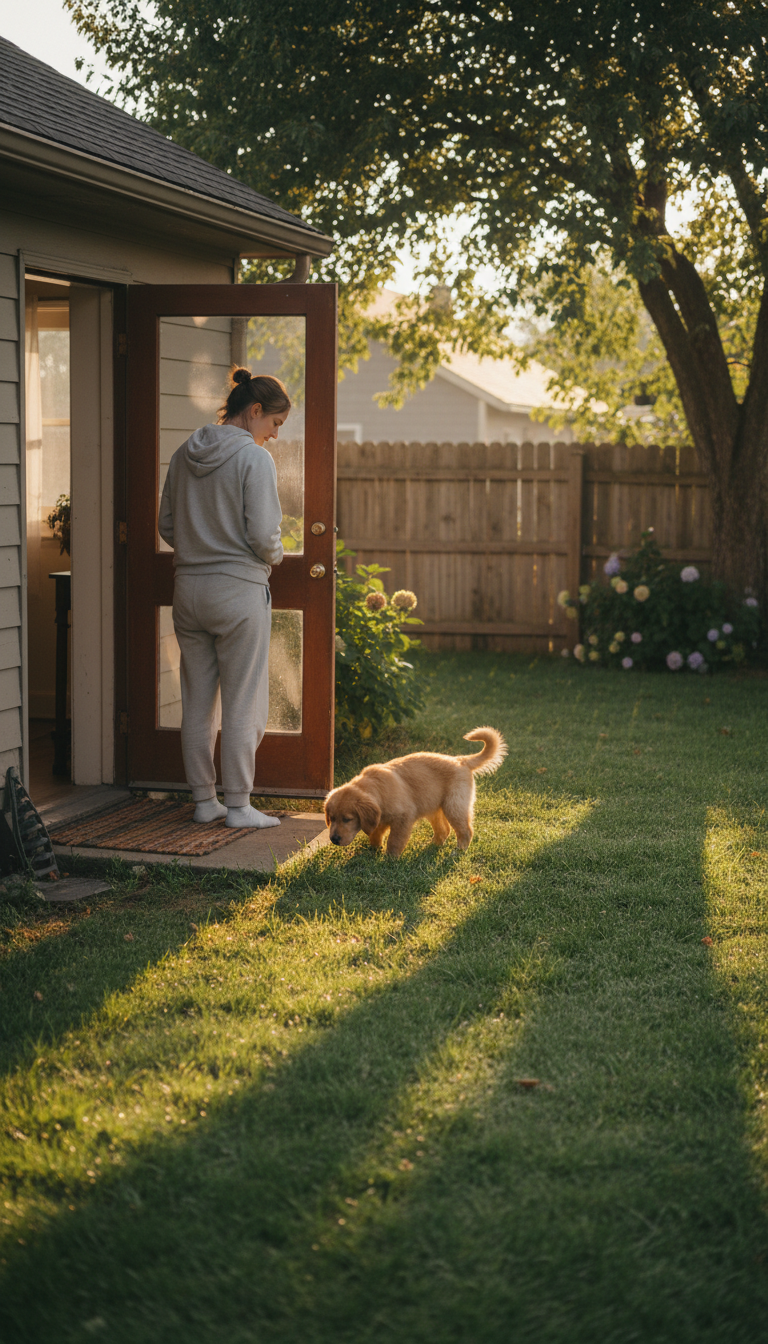
Managing the 2 1 Rule requires specific adjustments for the Australian environment, particularly during the harsh summer months. Temperature regulation is critical because puppies are significantly more susceptible to heatstroke than adult dogs. When deciding "should i crate train my puppy Australia," you must prioritise ventilation above all else. An open wire mesh crate is almost always the superior choice over plastic or solid-walled versions. While plastic crates are excellent for secure travel, they trap heat and can become dangerously stifling in high humidity.
Placement within the home is equally important. A spot that seems cool and shaded at 9:00 AM may be in direct, scorching sunlight by 2:00 PM as the sun moves across a window. Always position the crate in the coolest part of the house, preferably on a tiled surface. Essential Aussie puppy gear includes pressure-activated cooling mats and small, dedicated fans positioned safely outside the crate to maintain constant airflow. Never leave a puppy crated in a room without active air circulation or in a parked vehicle, as temperatures can reach lethal levels in minutes. Our comprehensive online training course for puppies provides further details on environmental safety to ensure your training remains a positive experience regardless of the weather.
Should Your Puppy Sleep in a Crate at Night?
Once you have established a safe, climate-controlled setup for the day, the next question many owners ask is "should i crate train my puppy Australia" for overnight sleep. Utilizing a crate at night is one of the most effective ways to prevent nighttime wandering, where a curious puppy might chew through electrical cords or have accidents on the carpet while you are asleep. It provides a clear boundary that helps the puppy settle into a deep, restorative sleep by limiting their environment to a manageable, secure space.
For the first few weeks, place the crate in your bedroom. This proximity significantly reduces separation anxiety by allowing the puppy to smell your presence and hear your breathing; it also ensures you can hear when they wake up for a necessary bathroom break. If your puppy struggles to settle initially, refer to our guide on How to Stop Puppy Crying at Night for specific troubleshooting techniques. A comprehensive online training course for puppies provides the framework needed to transition from nighttime confinement to eventual freedom as your puppy matures and gains reliable bladder control.